 (Image via
Spending a night outdoors during the colder months invites you to experience nature at its calmest. Picture a world wrapped in shimmering snow, silence interrupted only by distant wildlife, and a sky filled with starlight that seems impossibly clear. Taking on this adventure requires thoughtful planning and reliable supplies to ensure comfort and safety. Adapting to the chill can turn an ordinary outing into a remarkable escape. You’ll witness a side of the wilderness many never see, with dazzling sights and impressive tranquility. This guide provides helpful advice, covering preparation, key equipment, important safety practices, and the special thrill of gazing at stars under a frosty sky. Step outside and discover a new perspective on the great outdoors.
The Allure of Winter Camping
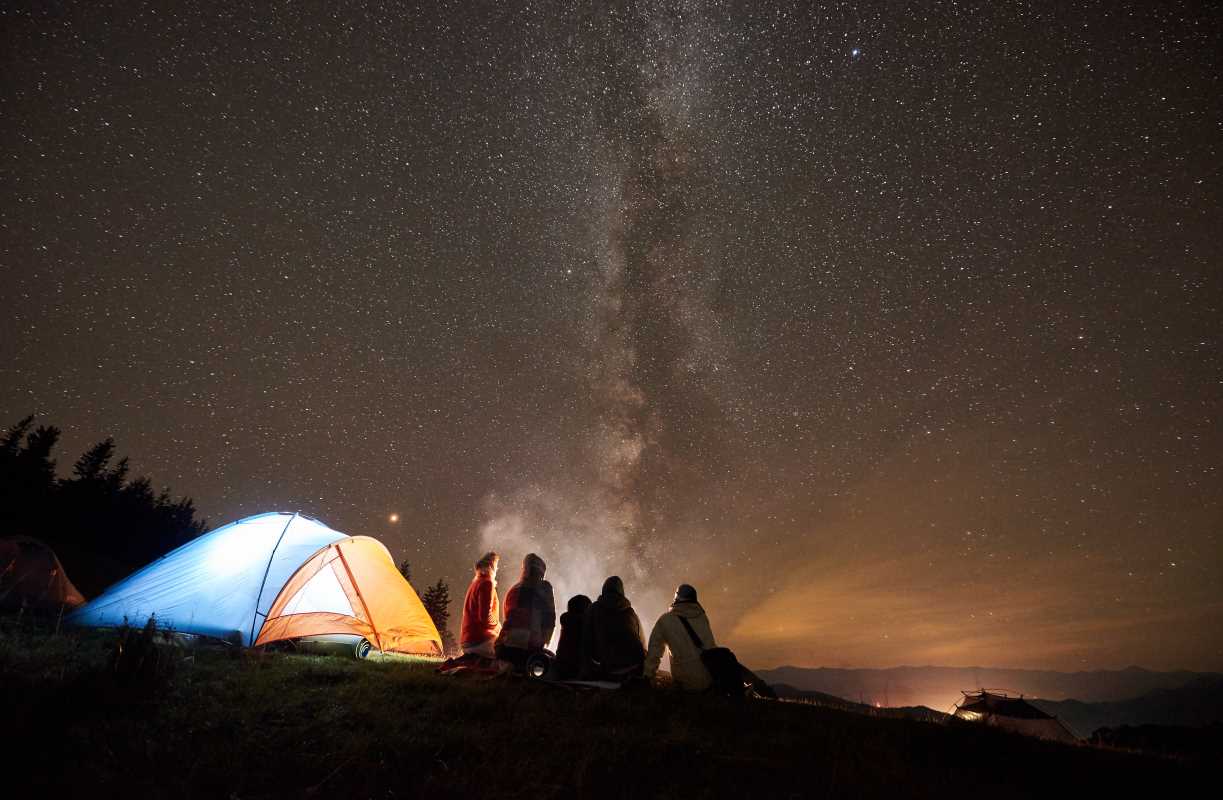
Many outdoor enthusiasts store their tents once the weather turns cold, but doing so means missing out on an extraordinary adventure. Setting out in winter offers an unmatched sense of solitude and peacefulness rarely found during busier times of year. Campsites are often deserted, trails become tranquil, and nature seems to pause. The brisk, clean air creates ideal conditions for nighttime sky watching, making any outing feel extra special. Stars shine with an intensity that’s hard to match, and the Milky Way tends to stand out more brilliantly than usual.
In addition to the quiet setting, a trip during the colder months offers a valuable chance for self-discovery and skill-building. You’ll find yourself learning new techniques for staying warm, navigating snowy landscapes, and keeping comfortable as conditions change. A successful overnight stay comes with a real sense of pride and satisfaction. Along the way, you might spot elusive animal footprints, shimmering frozen waterfalls, or catch the gentle light of the moon reflecting off the snow. The environment feels completely transformed, and it invites you to explore a world that many never get to see.
Essential Gear for Cold-Weather Comfort
Outfitting yourself well is key to enjoying time outdoors in winter. The essentials you bring help protect against harsh temperatures, so each item you select should add comfort and reliability. Imagine your equipment as a collection of tools, all working together to help you stay warm, dry, and relaxed throughout your journey.
The Shelter System: Choosing the right tent makes a world of difference. Four-season shelters are built to handle rough winds and heavy snow, using sturdier poles and reinforced fabric for extra durability. Selecting one with a rainfly that reaches close to the ground helps keep wind and drifting snow at bay. Good airflow inside is important as it helps control moisture, preventing frost from forming on the interior of the tent.
The Sleep System: Staying warm overnight relies on combining three important items:
- Sleeping Pad: Most of your body heat is lost to the cold ground. A sleeping pad with a high R-value (a measure of thermal resistance) is essential. For winter camping, aim for an R-value of 5 or higher. Many campers use a combination of a closed-cell foam pad and an insulated inflatable pad for maximum warmth and comfort.
- Sleeping Bag: Choose a sleeping bag rated for temperatures at least 10 degrees colder than the lowest temperature you expect to encounter. A bag rated for 0°F is a good starting point for most winter conditions. Down and synthetic are the two main types of insulation. Down is lighter and more compressible, but loses its insulating properties when wet. Synthetic insulation performs better in damp conditions and is generally more affordable.
- Sleeping Bag Liner: A liner can add an extra 5-15 degrees of warmth to your sleeping bag and helps keep it clean.
The Layering System for Clothing: Dressing in multiple layers lets you tailor your outfit to your movement level and shifts in temperature. There are three basic components to this approach:
- Base Layer: This is the layer next to your skin. Its job is to wick moisture away to keep you dry. Choose materials like merino wool or synthetic fabrics. Avoid cotton at all costs, as it absorbs moisture and will make you cold.
- Mid Layer: This is your insulating layer. It traps body heat to keep you warm. Fleece, down jackets, and synthetic puffy jackets are all excellent mid-layers. You can wear one or more mid-layers depending on the temperature.
- Outer Layer (Shell): This layer protects you from wind, rain, and snow. A waterproof and breathable jacket and pants are crucial. This shell should be large enough to fit comfortably over your other layers.
Staying Safe in the Cold
Putting safety first is essential when spending nights outside in the colder months. Freezing temperatures bring new hazards not found in warmer conditions, so taking the right precautions is crucial.
Managing Your Body Temperature: Exposure to extreme cold brings risks like hypothermia and frostbite. Hypothermia sets in when heat leaves your body faster than it can replenish, causing your core temperature to fall to unsafe levels. You might notice early warning signs such as shivering, muddled thinking, or sluggish speech. Frostbite refers to the freezing of skin and tissues beneath, especially affecting your extremities like fingers, toes, and the nose.
To prevent these conditions:
- Stay dry. Wet clothing rapidly pulls heat from your body. Change out of any damp layers immediately.
- Eat and drink regularly. Your body needs fuel to generate heat. Consume high-calorie foods and stay hydrated. Dehydration can happen just as easily in winter as in summer.
- Keep moving, but avoid sweating too much. Adjust your layers as you hike to prevent overheating.
Navigation and Trip Planning: Fresh snow can hide paths and significant markers, making it tough to stay oriented. Bring navigation tools such as a reliable map, a compass, and a GPS with spare batteries. Let a trusted person know your intended route and expected return so someone is aware of your progress. Before heading out, review up-to-date forecasts and avalanche advisories; pay close attention to any alerts as your trip continues. Conditions in the backcountry can shift quickly, making it necessary to change your plans or turn back if things become unsafe.
Food and Hydration for Fuel
Staying comfortable outdoors in winter means giving your body the nourishment it needs to handle the extra effort. Bring meals that offer a good mix of calories, healthy fats, and protein to sustain your energy. Hearty one-pot recipes make cooking and cleaning much easier, especially in the cold. Options like pasta dishes, chili, or filling soups work well. Keep easy-to-eat snacks on hand such as nuts, a bit of chocolate, or energy bars so you can eat quickly and often while out in the snow.
Keeping yourself hydrated is just as crucial. Cold conditions can make it easy to forget to drink, but without enough fluids, you may be at greater risk for hypothermia. Using insulated sleeves can keep your water from freezing. For preparing hot drinks or melting snow, a dependable stove is invaluable. Liquid-fuel models often perform best in harsh conditions compared to canister types. Make sure any snow you melt for drinking is properly purified before use.
The Unforgettable Reward: Winter Stargazing
A major highlight of spending nights outside during the colder seasons is gazing up at an extraordinary sky. In winter, crisp, dry air and minimal moisture combine to create incredible clarity, allowing celestial sights to shine with stunning sharpness. Far away from city lights, especially in quiet, snowy settings, the vast sky comes alive. Each star seems to glow even more vividly, and the stillness enhances the wonder of the scene overhead.
Cooler months highlight some of the brightest constellations. Spot Orion, marked by his distinctive three-star belt. Trace this line to locate Sirius, shining as the sky’s brightest star. You’ll also find Taurus and Gemini, standing out on clear evenings. In certain areas, a meteor shower may streak by, or you might see the shifting colors of the Northern Lights, especially further north.
To make the most of your stargazing experience:
- Bring a star chart or use a stargazing app on your phone (keep it warm to save the battery).
- Pack a pair of binoculars to get a closer look at star clusters and nebulae.
- Allow your eyes about 20-30 minutes to fully adjust to the darkness.
- Use a red-light headlamp to preserve your night vision.
Spending time beneath a winter sky brings a sense of deep calm and wonder. Careful planning, smart packing, and staying informed allow you to fully savor the stillness and excitement of overnight adventures in the cold. With these practices, you open the door to new experiences and unforgettable views, making each night under the stars truly remarkable.