 (Image via
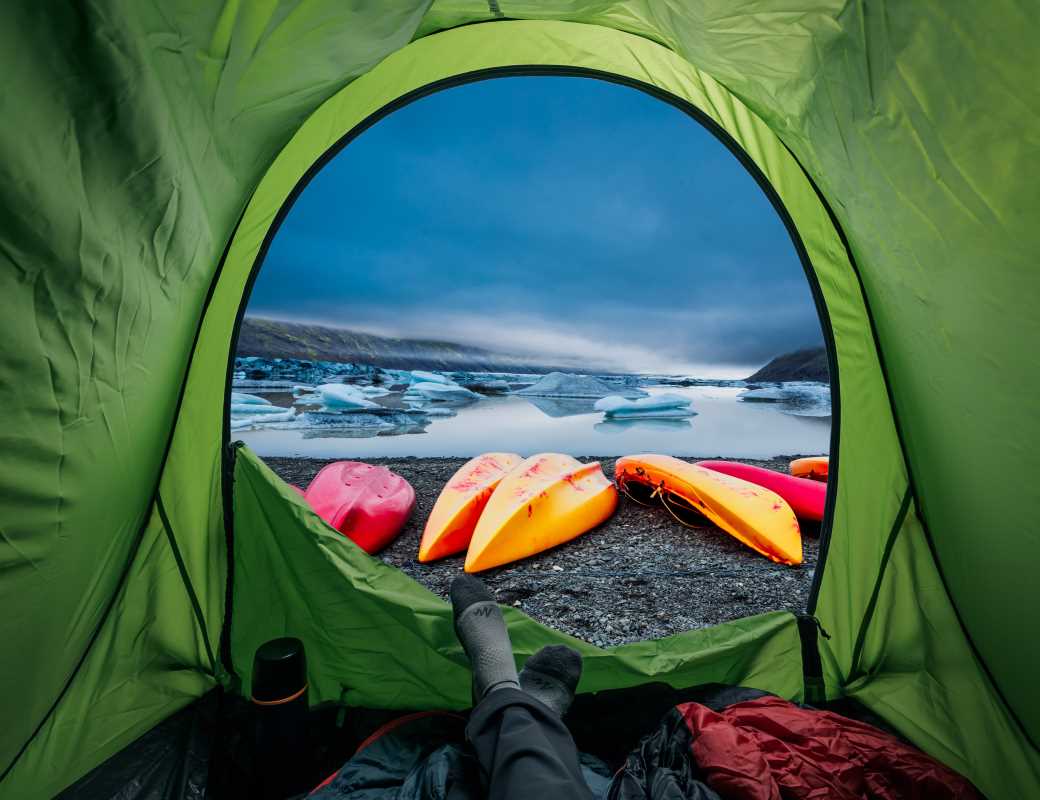
Paddling in icy northern waters, surrounded by towering glaciers and sculpted icebergs, delivers an unforgettable adventure. Exploring remote polar regions by kayak gives you a close, personal look at some of the planet’s wildest places. Each journey puts you face-to-face with vast, silent wilderness and offers rare moments with wildlife like seals on ice floes or whales surfacing nearby. This unique vantage point at water level reveals a world that’s hidden from larger boats. Silent movement across mirror-like water lets you connect with the landscape like few other experiences can. Use this guide to help plan your own remarkable trip among frozen giants and pristine northern shores.
What Makes Arctic Kayaking Special?
Gliding through the far north’s icy reaches delivers a paddling adventure nothing like tropical waters. You’ll be surrounded by frozen landscapes, weaving through mazes of floating ice and snowy expanses. The setting is remarkably tranquil. It's a silence rarely broken except for the dip of a paddle, the quiet groan of shifting ice, or the distant call of a bird overhead. This gentle, low-impact approach to exploring untouched wilderness allows for close encounters with wildlife, all without disturbing the peaceful daily rhythm of these unique environments.
This style of travel lets you form a powerful bond with the environment. Surrounded by towering walls of frozen blue, the sheer scale can leave you in awe as you navigate narrow channels amid the ice. Arctic light brings an enchanting brightness to everything it touches, especially during the endless daylight of the polar summer. Exploring this fragile region at water level is both exhilarating and memorable. Each trip brings a sense of discovery, and each paddle forward is an invitation into a pristine realm you won’t soon forget.
Safety and Essential Gear
Staying safe is the top concern during a journey in these remote, frozen regions. Harsh cold, shifting weather, and the sheer distance from support make good preparation crucial. For this reason, exploring these northern waters is best done as part of an organized outing led by knowledgeable experts.
Adventure companies supply the vital gear and know-how needed to ensure a secure outing in these challenging settings.
- Expert Guides: Your guides are trained in polar navigation, cold-water rescue, and first aid. They monitor weather conditions and know the safest routes to take.
- Stable Kayaks: Most tours use double sea kayaks, which are very stable and designed for open-water conditions. They are wider and more difficult to capsize than recreational kayaks.
- Dry Suit: This is the most critical piece of gear. A dry suit is a waterproof garment that seals at the neck and wrists to keep you completely dry. You wear your warm layers underneath it. In the unlikely event of a capsize, it protects you from the dangerously cold water.
- Personal Flotation Device (PFD): A PFD (life jacket) is always worn to provide buoyancy.
- Spray Skirt: This is a waterproof cover that fits around your waist and the kayak's cockpit, preventing water from getting inside.
What to Wear for Your Expedition
Staying warm and comfortable in freezing conditions calls for thoughtful clothing choices. Dressing in layers helps you adapt to changes in activity and weather.
- Base Layer: Start with a high-quality thermal base layer made of merino wool or a synthetic fabric. These materials wick moisture away from your skin.
- Mid-Layers: Add one or two insulating mid-layers, such as fleece jackets or wool sweaters. These layers trap your body heat.
- Under the Dry Suit: These base and mid-layers are what you will wear underneath your dry suit. Avoid cotton, as it loses its insulating properties when wet.
- Head and Hands: Wear a warm hat that can fit under a helmet or hood. Neoprene gloves or pogies (mitts that attach to your paddle) will keep your hands warm while allowing you to grip the paddle.
- Footwear: You’ll typically wear thick wool socks inside the booties of the dry suit. For walking on shore, you’ll need waterproof, insulated boots.
Top Destinations for Arctic Kayaking
Several northern regions offer extraordinary paddle journeys through icy wilderness. Below, you’ll find some top destinations to inspire your itinerary.
Greenland
Greenland stands out as a top choice for paddling adventures in the far north. Its dramatic shores feature intricate fjords, towering sheets of ancient ice, and an ever-changing collection of floating icebergs that have split off from the vast Greenland Ice Sheet.
- Disko Bay: Located on the west coast, Disko Bay is famous for the Ilulissat Icefjord, a UNESCO World Heritage Site. Here, you can paddle among giant icebergs that have broken off the fastest-moving glacier in the world. The sheer size and beauty of the ice sculptures are breathtaking.
- East Greenland: This is one of the most remote and rugged parts of the country. A kayaking trip here takes you through a network of fjords surrounded by sharp, granite peaks. You might spot seals, whales, and even polar bears (from a safe distance).
Svalbard, Norway
This group of remote islands sits high in the north and is recognized for its striking frozen scenery and remarkable animal life. Svalbard frequently ranks among the top places for observing wild polar bears as they roam across the sea ice, just one highlight of its vibrant Arctic ecosystem.
- Spitsbergen: Kayaking along the coast of Spitsbergen, the largest island in Svalbard, offers incredible scenery. You can paddle at the foot of towering glacier fronts and explore sheltered bays. Guided tours often combine kayaking with hiking, giving you a chance to experience the unique Arctic tundra landscape. The wildlife here is spectacular, with opportunities to see reindeer, Arctic foxes, and a wide variety of seabirds.
Antarctica
Although not technically Arctic, Antarctica promises the most dramatic cold-climate paddling on Earth. The “White Continent” is a land of striking contrasts, untouched vistas, and incredible wildlife viewing opportunities for those in search of an extraordinary journey.
- Antarctic Peninsula: Most expedition cruises to Antarctica offer a sea kayaking program. You can paddle in protected bays filled with brash ice, circumnavigate massive tabular icebergs, and get incredibly close to penguin rookeries. Paddling quietly allows you to observe leopard seals on ice floes and whales feeding in the krill-rich waters. It is a truly humbling and awe-inspiring experience.
What to Expect on a Guided Tour
Most trips on polar waters are arranged through cruise expeditions or as special small-group tours on shore. Experience with paddling isn’t usually required, since guides teach the skills you’ll need before setting out. Bringing some basic fitness makes the journey more comfortable, as outings often last several hours at a time.
A standard expedition usually lasts around two to three hours on the water. The journey often begins with a launch from either a sturdy inflatable vessel or a convenient spot along the shore. Certified leaders guide the group, keep participants safe, and highlight fascinating sights and wildlife along the way. They also assess local conditions to decide if travel is possible that day. In this environment, it’s essential to remain flexible, as weather and ice patterns can shift quickly and require last-minute adjustments.
Traveling through these remote, icy waters is both a mental and physical test. You’ll gain a fresh appreciation for nature and see parts of the world that few have witnessed. This experience invites adventurous spirits to embrace new challenges, broaden their horizons, and discover awe-inspiring scenery in some of the coldest, most beautiful places on Earth.