 (Image via
As winter settles in and temperatures drop, many crave heartier flavors and deeper colors in their beverage choices. This time of year brings out a remarkable array of brews perfect for taking the chill off and enjoying something unique. Taking a tour focused on seasonal varieties opens the door to expert crafting and a behind-the-scenes look at what sets these drinks apart. Walking into the cozy, fragrant brewhouse, you’re met by the inviting aromas of toasted grains and gentle spice. It’s a great way to escape the cold and sample rich, layered flavors often reserved for this time of year. Beyond tasting, these visits highlight centuries-old traditions, quality ingredients, and the genuine passion behind every barrel and bottle. Get ready to dive into this savory side of brewing.
The Warmth of Winter Brews
Winter brews stand out for their depth and bold character, marked by higher alcohol, darker hues, and layered tastes. Rather than the cool refreshment typical of summer styles, these drinks are ideal for lingering beside a fireplace. Brewers rely on a generous malt blend that provides extra sugars, boosting both richness and color (ranging from deep amber to near black).
History and Tradition
The practice of crafting special drinks for colder months stretches back generations. Across Europe, in countries like Britain and Belgium, makers produced “winter warmers” or festive ales that were richer and stronger, perfect for braving the season’s chill. Belgian monks especially perfected robust, dark blends for holiday celebrations. Today, brewers worldwide build on these traditions, blending time-honored methods with creative new elements while keeping the spirit of the originals alive.
Flavor Profiles
Known for their depth, winter ales and lagers deliver surprising complexity. Expect an exciting spectrum of seasonal tastes that invite you to savor and explore.
- Spices: Many winter warmers are brewed with spices like cinnamon, nutmeg, clove, and ginger, reminiscent of holiday baking.
- Dark Fruits: Yeast strains and specific malts can impart notes of raisin, fig, plum, and dark cherry.
- Roasted Notes: Darker roasted malts add flavors of chocolate, coffee, and caramel.
- Hops: While malt is usually the star, some winter beers use piney or resinous hops to balance the sweetness.
Step Inside: The Brewery Tour Experience
A visit to a brewery in winter gives you a fresh look at how these seasonal drinks come together. The drastic shift from icy air outside to the cozy, steamy interior draws you in and sets the stage for a memorable experience.
The Brewing Process Explained
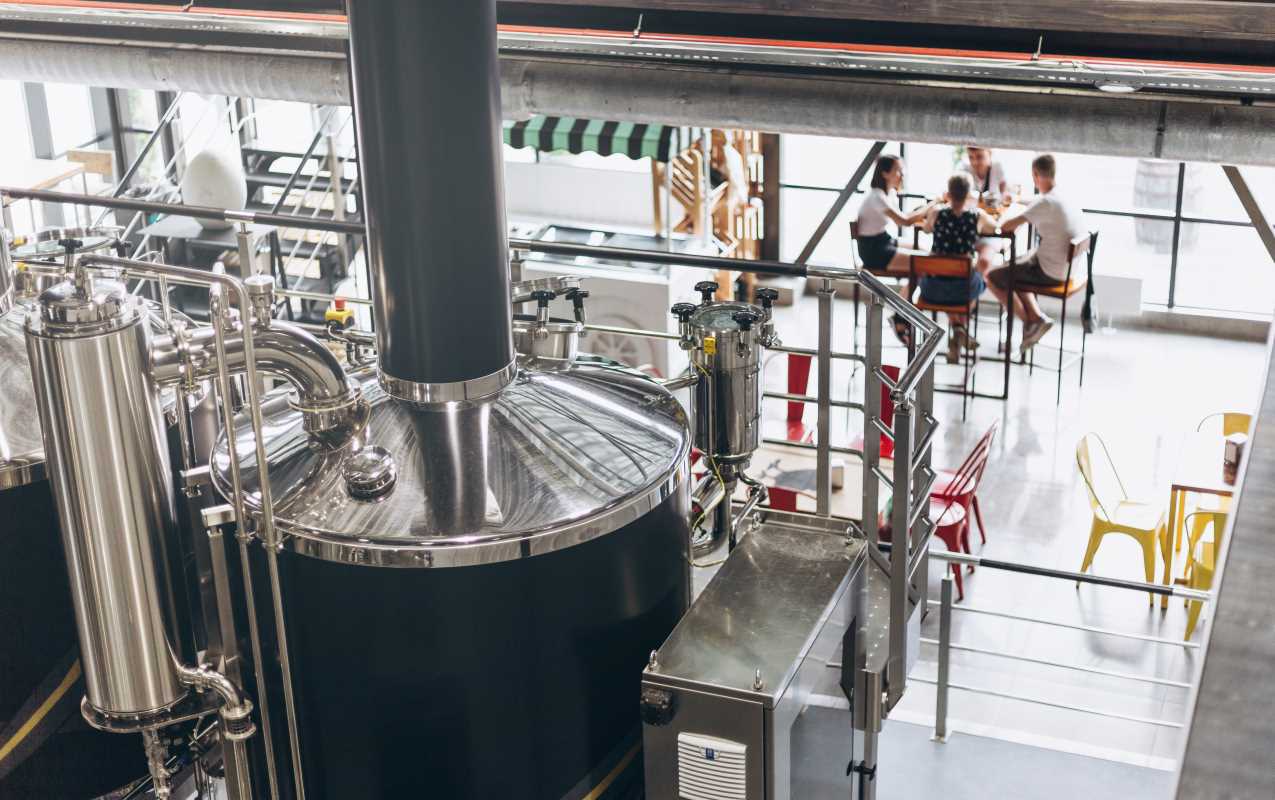
Guides share the main steps involved in crafting these seasonal favorites, focusing on what sets the process apart in colder months. You'll tour the mill room, where grains are crushed, then move to the mash tun, where sugars are drawn out using hot water. The journey continues to the boil kettle, where hops and selected spices join the mix. On winter visits, guides often highlight exactly when spices are added, explaining how timing helps achieve a balanced taste without overwhelming the final drink.
Fermentation and Aging
Colder-month specialties often need extended time to develop their rich, balanced flavors. During your visit, you’ll likely explore the cellar or aging room, where drinks quietly mature. Many producers embrace barrel-aging in old whiskey, bourbon, or wine casks, drawing subtle notes from wood and lingering hints of previous contents. Touring rows of resting barrels is a sensory highlight, and the rich aroma of seasoned oak and spirits enhances the ambiance.
Sensory Education
A highlight of any well-led tour is discovering the art of tasting the right way. Guides show you how to observe clarity and color, breathe in the aroma for hints of ingredients, and notice the nuance in every sip. As you sample seasonal pours, you’ll start to recognize how sweet notes, gentle warmth, and layers of spice come together for a memorable finish.
Styles You Might Encounter
There’s a wide array of options to explore during winter at breweries, each offering something unique for the colder months. With so much to sample, learning about the various selections on offer can really enhance your tasting adventure.
- Winter Warmers: This is a broad category for malty, sweet ales that often feature spices. They are usually amber to dark brown and have a noticeable alcohol warmth.
- Stouts and Porters: These dark, roasted beers are perfect for winter. Imperial Stouts are stronger versions with intense flavors of chocolate and coffee.
- Bocks and Doppelbocks: These are strong German lagers. They are smooth, malty, and often have toasty or caramel flavors. "Doppelbock" means double bock, indicating an even stronger version.
- Barleywines: One of the strongest beer styles, barleywines are rich, complex, and fruity. They are often aged for months or even years and are meant to be savored like a fine wine.
- Spiced Holiday Ales: These beers are brewed specifically for the holiday season and can vary widely in base style. They almost always feature a blend of spices like cinnamon, orange peel, or vanilla.
Notable Breweries for Winter Tours
During the colder months, some breweries transform their tours or tasting events into memorable celebrations of limited-edition releases. Across various regions, a handful of standout destinations are known for crafting seasonal specialties and creating inviting experiences for guests seeking to enjoy these unique drinks.
The Pacific Northwest, USA
This area is well-known for its hop-forward brews, but colder months see a spotlight on richer, malty options and complex barleywines. In Oregon and Washington, you’ll find events like “Strong Ale Festivals” and unique tasting nights. Deschutes Brewery in Oregon stands out with its seasonal Jubelale, welcoming visitors for guided walks through their operations.
Belgium
For an unforgettable seasonal tasting, Belgium stands out as a must-visit. Many local producers unveil limited-edition holiday blends crafted specifically for this festive time of year. Renowned names like St. Bernardus and Chimay are iconic for their rich, full-bodied creations that shine in winter. These immersive tours carry a sense of history, and many also offer the delightful option to pair your pours with regional cheeses.
Germany
Germany is famous for its rich brewing heritage, especially during bock season in winter. Munich serves as an ideal place to visit classic beer halls and storied producers. Breweries such as Paulaner and Ayinger are celebrated for their skill in crafting Doppelbocks. Touring these historic sites provides a window into the meticulous approach and time-honored precision that define German tradition.
New England, USA
The chilly climate in this region has led to the creation of full-bodied seasonal blends. Popular stops like Allagash in Maine and Samuel Adams in Boston are known for their limited releases suited for colder weather. During a Samuel Adams tour, visitors can often sample their acclaimed Winter Lager and learn how ingredients like cinnamon and orange peel bring warmth and depth to the brew.
Tips for a Great Winter Brewery Tour
Some thoughtful preparation will help you get the most out of your visit. The following suggestions can make your outing both memorable and comfortable.
Book in Advance
During the colder months, breweries often see a surge in visitors, especially as the holidays approach. Guided experiences can fill up quickly, so it's smart to visit the website ahead of time and secure your preferred time slot. Many locations also offer unique or private sessions that need to be booked in advance, giving you special access to limited tastings or behind-the-scenes details.
Dress Appropriately
These production spaces can be a mix of temperatures; warm by the brewing equipment but often quite chilly in cellars or storage areas. It’s smart to wear layers so you’re comfortable throughout your visit. Closed-toe shoes are usually required for safety, since floors may be slick or damp in certain areas.
Eat Before You Go
These seasonal selections tend to have higher alcohol content, so it’s wise not to sample them on an empty stomach. Grab a substantial meal before heading out for your tour; this will help you stay comfortable and enjoy tasting more fully. Plenty of locations have on-site brewpubs or restaurants, letting you plan to eat before or after your experience.
Arrange Transportation
Safety comes first. Since many of these offerings are strong, plan ahead and leave the driving to someone else. Opt for public transit, grab a ride with a service like a taxi or rideshare, or pick a designated driver. In some cities, you can even hop on a guided bus that takes you between locations, providing a relaxed and secure way to enjoy your outing with friends.
Ask Questions
Brewery guides love sharing their knowledge and stories. Feel free to ask about the origins of different drinks, unique ingredients, or interesting production details. Inquiring about how particular spices are blended or which barrels are chosen for maturing the seasonal batches can spark lively and insightful exchanges.
Check for Special Releases
Winter offers a great chance to seek out exclusive bottles that are only available for a short time. Ask if the location is featuring a new stout or barleywine during your stop. Limited releases like these make memorable take-home treats or thoughtful gifts for anyone who enjoys unique flavors.
Bringing the Experience Home
The experience doesn’t have to end once your visit wraps up. Many places feature a shop where you can pick up bottles of the drinks you've enjoyed during your time there. Bringing home a selection of your top picks lets you relive the outing and share the fun with friends or loved ones, along with a few good stories. Plenty of locations also offer unique glassware, created to bring out the best in different styles. Pouring a favorite into a tulip or snifter at home can capture the same inviting aromas and flavors you discovered on your tour.
Exploring these tours in winter invites you into a tapestry of flavors and time-honored rituals. You’ll witness the passion behind every pour and discover what sets these expertly crafted drinks apart during the colder months. Each visit offers fresh insight into the creative process and showcases how traditions evolve to suit the season. Consider adding a stop at a neighborhood maker or renowned destination to your getaway. There’s no better way to embrace the cold than sharing a delightful experience and sipping something distinctively seasonal.