 (Image via
Iceland, called the Land of Fire and Ice, is home to extraordinary landscapes shaped by powerful natural forces. Fields of ancient ice cover over a tenth of the island, creating a scene of striking whites and mesmerizing blues. These vast frozen expanses act as ever-changing rivers that gently sculpt valleys and mountains across the land. Setting out on one of these icy giants offers an adventure that's both awe-inspiring and humbling, revealing the immense force of nature up close. By joining a hike here, you’ll witness remarkable natural sculptures, deep icy fissures, and views that look almost otherworldly. This guide equips you with everything you need to prepare for an exciting and memorable journey on Iceland’s glazing wonders.
Understanding Iceland's Glaciers
Large masses of dense ice take shape over thousands of years from accumulated snow. As new layers stack up, the pressure compresses older snow into solid ice. Pulled by gravity, these giant formations slowly flow downslope, much like a thick, sluggish river. Their gradual movement sculpts the land beneath, shaping valleys, grinding rocks into silt, and moving material far and wide. Iceland’s mild winters, wet climate, and position near the Arctic Circle create prime conditions for this natural process.
Several major ice caps define Iceland’s striking landscape. Vatnajökull stands out as Europe’s most extensive, sending countless icy offshoots across the countryside. Other well-known names are Langjökull, Hofsjökull, and Mýrdalsjökull, each offering its own special blend of scenery and features. During a visit, you might spot mesmerizing patches of blue ice, which appear where trapped air has been squeezed out, reflecting vivid hues. Explorers also encounter moulins, which are vertical shafts where melted water plunges from the surface down into the heart of the ice.
Why You Need a Guide for Glacier Hiking
Safety is always the top concern on any icy expedition. These frozen environments shift constantly and hold hidden dangers for anyone lacking skill and experience. The surface may conceal deep gaps, which can be covered by a deceptively thin snow layer. Unpredictable ice formations and rapidly changing Arctic weather add additional hazards. For these reasons, venturing onto the ice without a qualified guide is strongly discouraged.
Skilled guides play a crucial role in making your trek safe and enjoyable. They have extensive training in navigating icy landscapes, handling emergencies, and reading both the terrain and weather. Safety equipment is supplied, along with clear instructions on its use, letting you relax and immerse yourself in the dramatic scenery. Guides also enrich your outing by sharing stories and insights about the local environment, geology, and the region’s history. Their familiarity with the area means they can lead you along the safest tracks and show you amazing sights (like hidden caverns, sinuous tunnels, and unique shapes in the ice) that are easy to miss without expert help.
Essential Gear and What to Wear
Guided excursions supply important technical equipment to ensure your comfort and security as you travel across the ice. Using the right gear is essential for safely navigating these frozen landscapes and enjoying your adventure to the fullest.
- Crampons: These are metal frames with spikes that attach to the bottom of your hiking boots. They give you the traction needed to walk securely on slippery ice.
- Ice Axe: An ice axe is primarily used for balance and support while hiking on sloped or uneven ice. It can also be used for self-arrest in the unlikely event of a slip.
- Helmet: A helmet protects your head from falling ice or in case of a fall.
- Harness: A harness is worn around your waist and legs. It serves as an attachment point for ropes, which are used for safety in areas with a high risk of crevasses.
Along with the equipment provided, wearing the right clothing is essential to stay comfortable through cold snaps or sudden shifts in weather. Dressing in layers helps you retain warmth and keep moisture away, so you can enjoy your trek without distraction.
- Base Layer: Start with a moisture-wicking base layer made of wool or synthetic materials. Avoid cotton, as it holds moisture and can make you cold.
- Mid-Layer: Add a fleece or wool sweater for insulation. This layer traps body heat to keep you warm.
- Outer Layer: A waterproof and windproof jacket and pants are essential. They will protect you from wind, rain, and snow.
- Footwear: Sturdy, waterproof hiking boots with ankle support are mandatory. Tour companies often have boots available for rent.
- Accessories: Don't forget a warm hat, gloves, and thick socks. Sunglasses and sunscreen are also crucial, even on cloudy days, as the sun's reflection off the ice can be intense.
Popular Glacier Hiking Locations in Iceland
You’ll find several impressive icefields around the country that welcome visitors on guided treks. Each location delivers its own unique set of sights and experiences.
Sólheimajökull
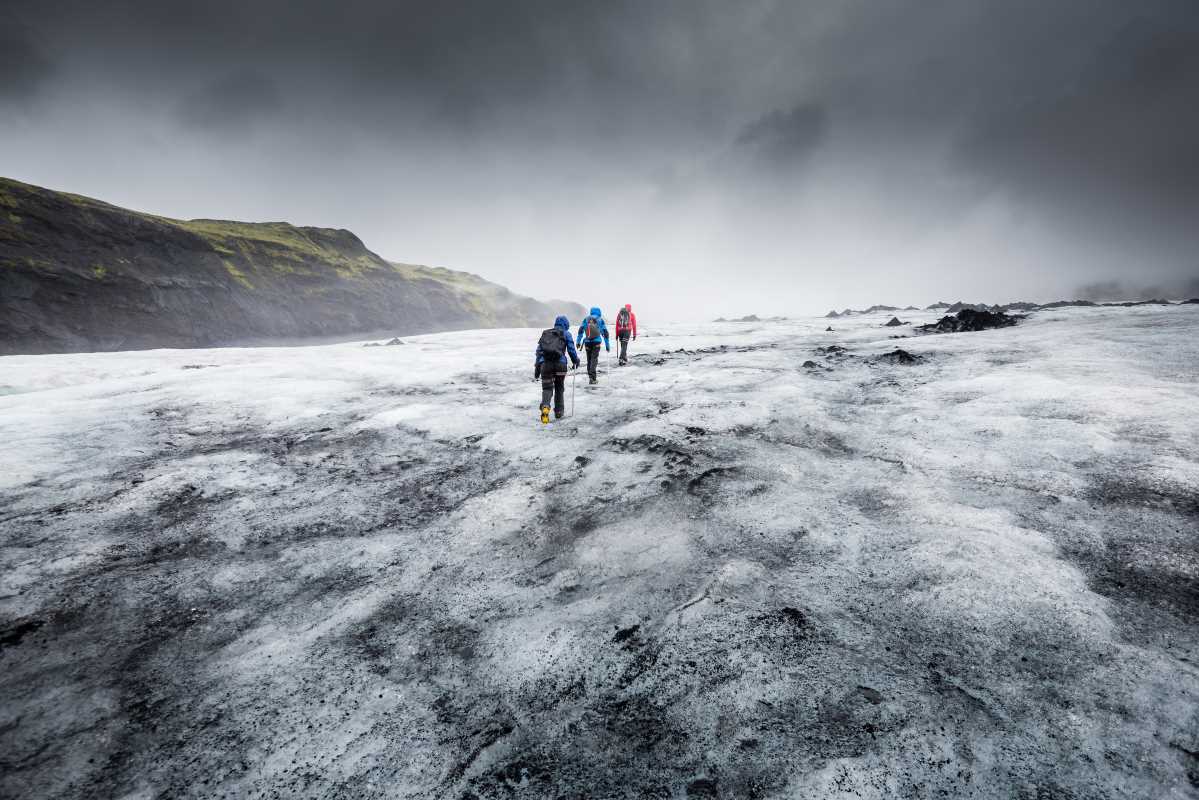
Sólheimajökull, a branch of the greater Mýrdalsjökull ice cap on Iceland’s southern coast, is just a two-hour drive from Reykjavík. Its convenient location makes it a favorite for visitors looking to experience icy landscapes up close. The scenery is striking, with bright ice streaked with dark ash and flashes of vivid blue. The hike itself is typically rated as moderate, appealing to both those new to the activity and families with children. As you make your way across the surface, you’ll encounter twisting ice ridges, deep fractures, and swirling moulins. This guided route gives newcomers a straightforward and engaging introduction to traveling across frozen terrain.
Skaftafell (Vatnajökull National Park)
Tucked inside Vatnajökull National Park, the Skaftafell region offers a prime setting for hiking enthusiasts. Several guide-led walks start here and travel across famous stretches of ice like Falljökull and Svínafellsjökull. The landscape impresses with intricate frozen structures and spectacular mountain backdrops. Svínafellsjökull, nicknamed "Hollywood Glacier," has starred in movies and TV thanks to its striking looks. You’ll find a range of guided experiences in the area, from relaxed walks perfect for beginners to trips that offer a first taste of scaling ice walls. Panoramic views of some of the country’s tallest summits provide a dramatic stage for outdoor adventures and memorable photo opportunities.
Langjökull
Langjökull, often called the “Long Glacier,” ranks as Iceland’s second-largest ice formation. One highlight here is an impressive man-made tunnel, allowing visitors to journey beneath the surface and explore the world below the ice. Guided trips usually include time inside the tunnel, yet classic walks across the snow-covered top are also available. Many outings to this spot depart from Reykjavík and pair the adventure with stops along the famous Golden Circle. The sweeping, snowy surface of Langjökull delivers a distinctive atmosphere. It's calm, expansive, and quite different from the rugged, sculpted shapes found on other southern icefields.
Preserving Iceland's Glaciers
Exploring these icy landscapes is a chance to observe firsthand an environment under threat. The country’s frozen wonders are shrinking rapidly due to rising global temperatures. Experts warn that a significant portion could vanish within the next couple of centuries. This ongoing loss affects not only the scenery but also the balance of local habitats, water supplies, and natural systems that depend on steady cycles of ice and melt.
As a visitor, you play a vital role in protecting these special places. Be mindful of your footprint by carrying out all belongings and sticking to marked routes. Opting for tours with eco-conscious guides supports both local livelihoods and long-term environmental care. Gaining insight into the region’s icy landscapes gives you a deeper appreciation and equips you to share what you’ve learned with others back home. Your stories and photos can help spark conversations about environmental change and encourage friends and family to value and safeguard these extraordinary destinations.