 (Image via
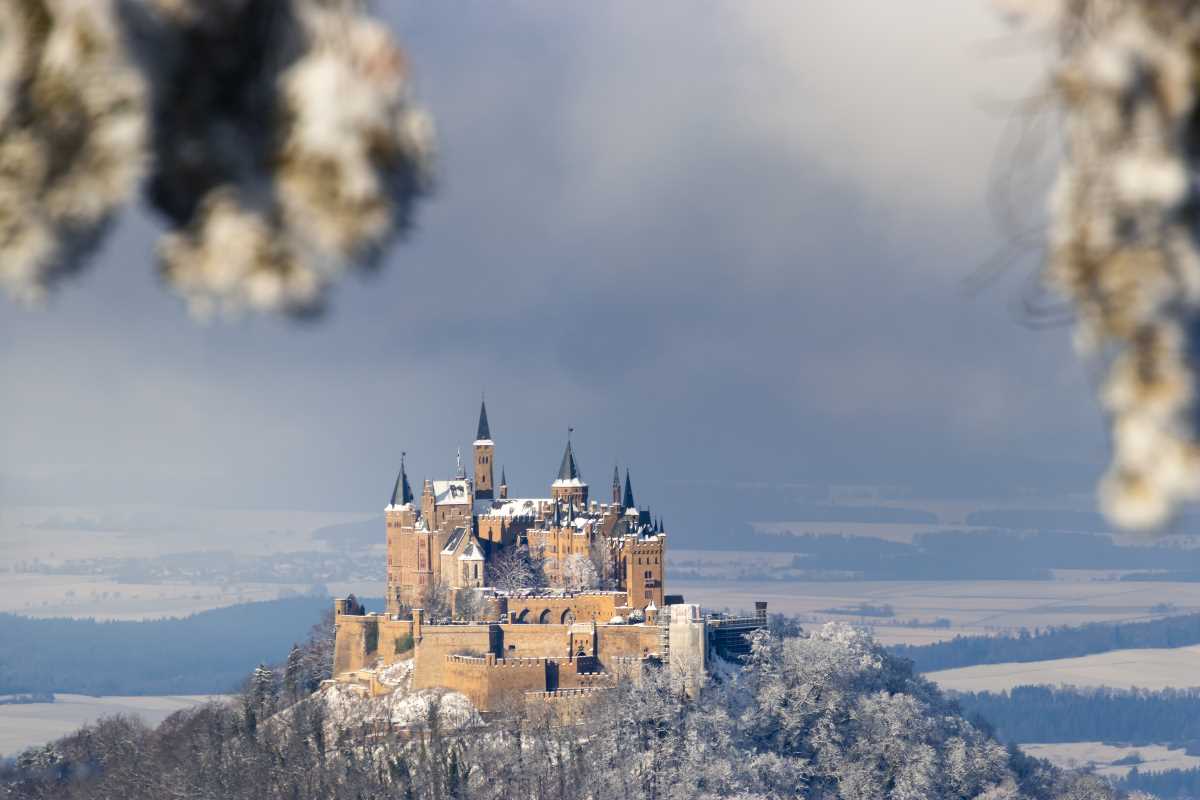
Imagine arriving at a grand stone fortress, its towers frosted with white and surrounded by silent, snow-blanketed hills. Visiting in the heart of winter feels like entering a world of legends, where these age-old buildings become scenes brushed with wonder. Gone are the busy summer crowds, leaving you with tranquility and a closer sense of the past. The only sounds are the crunch of snow underfoot as you near the solid wooden gates, ready to explore another era. This guide shares what makes a cold-season castle tour so special, highlighting fascinating architecture, storied history, and the types of tours that truly bring these walls to life on a wintry day.
The Magic of Winter Architecture
These fortresses, built to project strength and security, were often placed on elevated land or protected by water barriers. Snowfall enhances their dramatic appeal, casting new light on classic designs. The contrast between weathered masonry and fresh, untouched snow brings out features and details that might blend in during other times of year.
Gothic and Medieval Structures
Many old European fortresses reflect styles like Gothic or Medieval, marked by features such as pointed arches, ribbed vaults, and graceful buttresses. During winter, snow outlines these elements, drawing attention to vertical lines and intricate designs. Gargoyles, originally serving as waterspouts, often sport snowy hats, bringing a playful aspect to their elaborate forms. The thick stone construction, intended to repel invaders, also acts as natural insulation, creating a surprisingly consistent indoor climate even when it’s freezing outside.
Baroque and Renaissance Palaces
Moving into later eras, grand palaces and stately homes built during the Renaissance and Baroque periods place emphasis on grace and balance. Their sweeping gardens and open courtyards, meant for relaxed walks, turn into peaceful snowy landscapes. Covered statues and fountains take on new forms in winter, hidden beneath protective wraps and frosted edges. The harmonious lines of these residences stand out against a blanket of snow, offering memorable scenes for any visitor with a camera.
Exploring the History Within
Within these ancient walls lies a tapestry of human stories stretching back through generations. Winter explorations often allow for a quieter, more personal glimpse into the daily rhythms of past residents. Fewer visitors mean guides can devote extra time to sharing vivid anecdotes about those who once walked these halls (from the upper class to the hardworking staff) and the pivotal moments that shaped the land’s history.
Life in a Frozen Fortress
One captivating aspect of winter visits is discovering how people coped with the cold long ago. You might spot massive hearths in the Great Halls, often the primary heat source in these enormous spaces. Guides describe how tapestries served not just for beauty, but also for warmth, keeping out drafts. It’s easy to picture thick curtains drawn close, velvet heavy in your hand, with straw or plush carpets spread underfoot to help preserve every bit of heat.
Strategic Importance in Winter
Colder months brought new challenges for defending these stone strongholds. Frozen waterways sometimes allowed adversaries to cross natural barriers, making the approach easier. At the same time, deep drifts could bog down advancing troops and complicate maintaining supplies. Delving into how guardians prepared for these scenarios adds another dimension to your experience. Suddenly, the snowy fields become the stage where weather dictated much of what unfolded in distant battles.
The Unique Atmosphere of Snow
Snowfall transforms the entire experience inside and out. Fresh powder absorbs sound, creating an almost magical quiet that seems to slow time on the grounds. This calm amplifies the feeling of entering a different world. Inside, the dim natural light of the season sets a cozier tone. Many historic buildings rely on soft, glowing lamps to light up their interiors, drawing attention to rugged stonework and the deep colors of timber.
Candlelight and Firelight
Many sites fully embrace the shorter days by offering evening visits lit by lantern or candle. Strolling along shadowy halls guided by a soft, wavering light is a memorable adventure. It gives an authentic sense of what evenings felt like before modern technology, engaging your senses in new ways. The smoky aroma of burning logs might linger, and the warmth of a crackling fire in an old stone hearth invites you to pause and enjoy a well-earned break from the winter chill.
Festive Decorations
Many of these storied landmarks showcase special winter décor during the holiday season. Dining halls might sparkle with towering trees, lush garlands, and traditional trimmings inspired by various eras. Decorations often echo the customs of the time, giving a window into celebrations gone by. Some rooms display banquet tables set for seasonal feasts, with decorative centerpieces and whimsical sugar sculptures, inviting visitors to imagine how royal festivities once filled these grand spaces with life.
Types of Winter Tours Available
You’ll find a range of wintertime tour options across places like Germany, Scotland, Austria, and Scandinavia, with different themes and activities to match what you’re looking for. Planning ahead helps you select the perfect outing for your interests.
Guided Historical Tours
These classic visits are usually available year-round, but winter means fewer crowds and a more personal atmosphere. A knowledgeable guide will take you through key chambers: the armory, chapel, state rooms, and underground passages. You’ll get a thorough sense of the property’s history, its founding families, and momentous events that shaped its story.
- Benefits: You get expert insights and can ask questions freely.
- Focus: General history, architecture, and major historical figures.
Ghost Tours and Legends
Long winter evenings set the stage for spine-tingling tales. Some historic sites host special tours after dark, sharing local folklore, old myths, and accounts of mysterious happenings tied to the location. The quietness created by fresh snow heightens the suspense, adding a memorable twist to these candlelit walks.
- Benefits: A fun and atmospheric way to learn about local folklore.
- Focus: Mysteries, tragedies, and supernatural tales.
Winter Garden and Grounds Walks
For outdoor enthusiasts, several estates provide guided strolls around the property. These experiences highlight not just landscape design but also defensive features outside the main buildings, as well as the hardy plants and wildlife that thrive during the colder months.
- Benefits: Fresh air and spectacular views of the castle exterior.
- Focus: Nature, fortifications, and external architecture.
Practical Tips for Your Visit
Exploring a castle during winter calls for a few extra preparations compared to warmer seasons. Planning ahead lets you focus on enjoying your adventure instead of worrying about staying warm.
Dress for the Occasion
Historic buildings can be chilly, especially in long corridors and stairwells, even if some areas are heated. Layer up: start with a thermal undershirt, add a warm top, and choose a weather-resistant jacket. Footwear with sturdy soles is helpful, as surfaces may be slick from moisture or ice. Accessories like a scarf, gloves, and a hat will help keep you comfortable as you explore both inside and out.
Check Opening Times
Hours during the colder months can be different from those offered in peak travel season. Certain historical sites might close early due to shorter daylight or limit entry to some towers and ramparts for safety reasons. Always review the official website before setting out on your journey.
Transportation
Many of these historic sites are set in remote or elevated spots. Roads can be narrow, winding, or steep, especially in icy weather. Being prepared with winter-ready tires or a set of chains is important for those driving themselves. You might also find it easier to opt for shuttle services or group excursions, which take care of all the travel logistics so you can relax and enjoy the journey.
Famous Castles to Visit in Winter
A number of places truly shine during the colder months, drawing travelers for their picturesque, frosted landscapes.
- Neuschwanstein Castle, Germany: The inspiration for Disney’s Sleeping Beauty castle, this Bavarian icon looks even more magical surrounded by the snowy Alps. The steep walk up to the castle is an adventure in itself.
- Edinburgh Castle, Scotland: Dominating the city skyline from atop an extinct volcano, this fortress is stark and imposing in winter. The wind can be fierce, but the history is palpable.
- Hohensalzburg Fortress, Austria: Sitting high above Salzburg, this medieval castle offers panoramic views of the snow-dusted city and the surrounding mountains. It features a funicular railway for easy access.
- Bran Castle, Romania: Often associated with the Dracula legend, this castle in Transylvania is incredibly atmospheric in winter. The mist and snow create a mysterious setting perfect for exploring its narrow corridors.
Visiting centuries-old fortresses set against snowy backdrops is like stepping into another era. Frosty air and white-dusted grounds reveal these iconic landmarks in entirely fresh ways, spotlighting their impressive shapes and stories. Seeing their massive stonework surrounded by winter’s hush offers fresh appreciation for the grit it took to endure such environments. Set your itinerary, dress warmly, and get ready to uncover the lasting charm and wonder that only a wintry expedition to these grand estates can provide.