 (Image via
Europe’s wintry expanses conceal a breathtaking secret: incredible underground ice cathedrals waiting for discovery. Journeying inside these rare, frozen spaces carved by nature’s forces promises an adventure like no other. As cold weather settles in each year, seasonal flows of water solidify, crafting new halls of sparkling blue. Stepping into these hidden chambers feels extraordinary, offering views of delicate ice shapes, immense translucent walls, and colors that shift from soft blue to deep teal. Guided visits take you safely into this fleeting world, granting you entry to a fleeting spectacle. Prepare to discover some of the continent’s most spectacular underground wonders and get set for a truly memorable experience.
The Science Behind Ice Caves
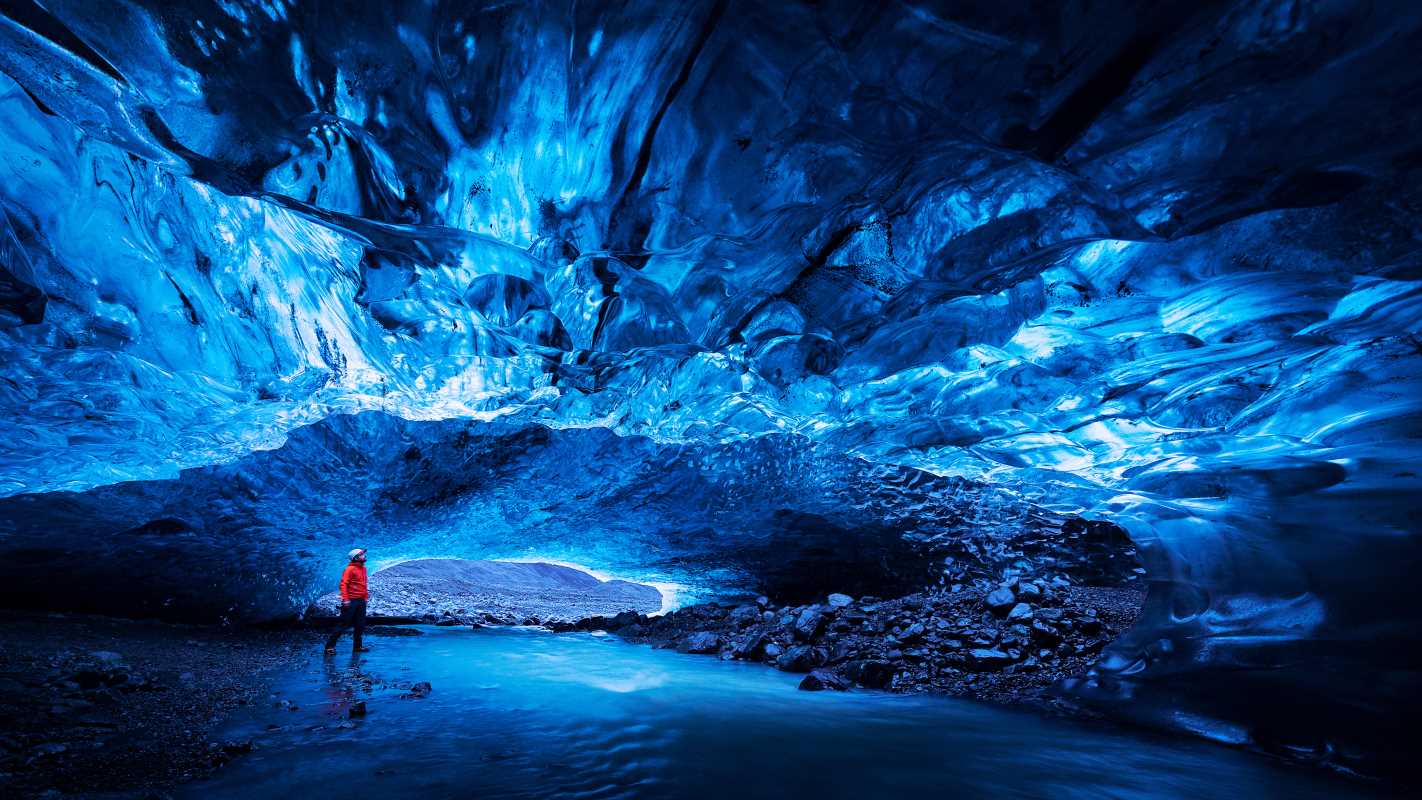
Beneath the surface of glaciers, nature creates remarkable icy spaces that seem to defy time. These hidden wonders are not everlasting; their shapes shift and evolve from year to year. As warmer seasons pass, water travels above and below the ice, gradually forming winding pathways. Once the temperature drops with the arrival of winter, these channels freeze solid, leaving beautifully sculpted voids within the ice. Each visit reveals a new and temporary masterpiece, shaped by natural forces moving silently over the seasons.
The striking blue found in many of these caves comes from the way ancient ice scatters and reflects light. Over centuries, enormous pressure compacts the glacier, pushing out air bubbles and leaving behind ice that is unusually dense. As sunlight filters in, this thick ice absorbs every shade except blue, which then shines back out in brilliant fashion. That’s what gives the chambers their signature glowing hue. How vibrant the colors appear can shift depending on the time, weather, and just how much frozen mass sits overhead.
Why a Guided Tour is Essential
Exploring these icy chambers with a qualified guide is must for your safety. These hidden passages within the glaciers are ever-changing and can present unpredictable challenges, such as shifting ice, unstable surfaces, or sudden temperature changes. Expert guides constantly evaluate the conditions, drawing on their understanding of the environment and weather patterns to keep visitors safe. Their specialized training means they know how to spot hazards, recognize risks, and choose the safest routes.
Choosing a guided experience not only keeps you safe, but also brings added depth to your adventure.
- Safety First: Guides provide all necessary safety equipment, such as helmets and crampons, and teach you how to use them. They are experts in navigation and rescue techniques.
- Expert Knowledge: Your guide will share captivating details about glaciology, the formation of the cave, and the surrounding environment. This turns an exciting trip into an educational one.
- Guaranteed Access: Guides know the exact locations of the best and safest caves, which can be difficult to find on your own. They have the permits and transportation needed to reach these remote spots.
What to Wear for Your Ice Cave Adventure
Choosing the right clothing is essential for a comfortable and safe journey inside these icy wonders. Temperatures remain low beneath the glacier, so wearing multiple layers is the best way to stay insulated against the chill.
- Base Layer: Begin with a thermal layer made of merino wool or a synthetic fabric. These materials wick moisture away from your skin, keeping you dry and warm. Avoid cotton, as it retains moisture and will make you feel cold.
- Mid-Layer: Add an insulating layer like a fleece jacket or a wool sweater. This layer is designed to trap your body heat.
- Outer Layer: Your outermost layer should be a waterproof and windproof jacket and pants. This will shield you from the elements and keep you dry.
- Footwear: Sturdy, waterproof hiking boots with good ankle support are absolutely necessary. Many tour companies offer boots for rent if you do not have your own.
- Accessories: Don’t forget to bring a warm hat, gloves or mittens, and thick wool socks. Sunglasses are also important, as the sun reflecting off the snow and ice can be very bright.
Incredible Ice Cave Destinations in Europe
Across Europe, several regions provide remarkable experiences for those eager to step inside frozen caverns. Here are some of the most impressive places you can explore on your next journey.
Iceland: The Land of Crystal Caves
Among top locations for this experience, Iceland consistently draws adventurers. The country’s enormous Vatnajökull, Europe’s largest glacier, shelters an ever-changing network of glistening natural chambers. These shimmering passages emerge with each winter and are generally open to visitors from November through March.
- Vatnajökull National Park: This is the primary hub for ice cave tours in Iceland. Tours typically depart from the Jökulsárlón glacier lagoon area. You will travel in a modified super jeep to reach the remote cave entrance on an outlet glacier. Inside, you'll be surrounded by unbelievably clear, blue ice that looks like polished crystal. The caves vary in size and shape each year, making every visit a new discovery.
- Katla Ice Cave: Located near the volcano Katla, this ice cave is unique because it can often be visited year-round. The cave is set within the Mýrdalsjökull glacier and is known for its stunning combination of blue ice and black volcanic ash, creating mesmerizing patterns and stripes.
Switzerland: Glacial Wonders in the Alps
The Swiss Alps provide a distinct opportunity to explore frozen grottoes framed by impressive mountain scenery.
- Rhône Glacier Ice Grotto: Near the Furka Pass, the Rhône Glacier has a man-made ice grotto that has been re-drilled every year for over a century. A 100-meter-long blue tunnel allows you to walk deep into the glacier. It’s an easily accessible option that provides a fantastic look inside a glacier, typically open from June to October.
- Titlis Glacier Cave: At the top of Mount Titlis in central Switzerland, a glacier cave invites visitors into a frosty wonderland. The 150-meter-long walkway descends deep below the glacier's surface. The cave is bathed in an ethereal turquoise light, and the thick ice walls create a surreal atmosphere. This cave is open year-round, making it a convenient addition to any Swiss adventure.
Norway: Arctic Ice Adventures
Far to the north, Norway offers a rare glimpse into pristine polar environments through its remarkable frozen caverns. These hidden chambers provide a different kind of adventure, highlighted by their Arctic setting and dramatic landscapes. Exploring them takes you deep into a world sculpted by nature, where ice, light, and stillness create an atmosphere unlike any other.
- Svalbard: This remote archipelago, located between mainland Norway and the North Pole, offers some of the most adventurous ice caving. Tours take you to caves formed by meltwater on glaciers near Longyearbyen, the main settlement. Reaching them often involves a snowmobile or dog sled ride, adding to the excitement. Inside, you can discover frozen waterfalls and glittering ice crystals. The season for these tours generally runs from January to May.
Protecting These Fragile Environments
These shimmering wonders are incredibly fragile, especially as global temperatures continue to rise. Across the continent, ancient ice is melting at faster rates, making these spectacular sites ever more elusive with each passing year. Experiencing one of these rare chambers is a vivid reminder of their vulnerability and the urgent need to protect our natural world.
Travelers play an important role in looking after these unique places. Select guides or companies that emphasize eco-friendly practices and put well-being and sustainability first. Practice Leave No Trace by packing out everything you bring, and refrain from handling or disturbing fragile ice features. Choosing a thoughtful approach supports local efforts that safeguard these spectacular sights and inspires others to value and protect our planet’s remarkable frozen wonders for years to come.