 (Image via
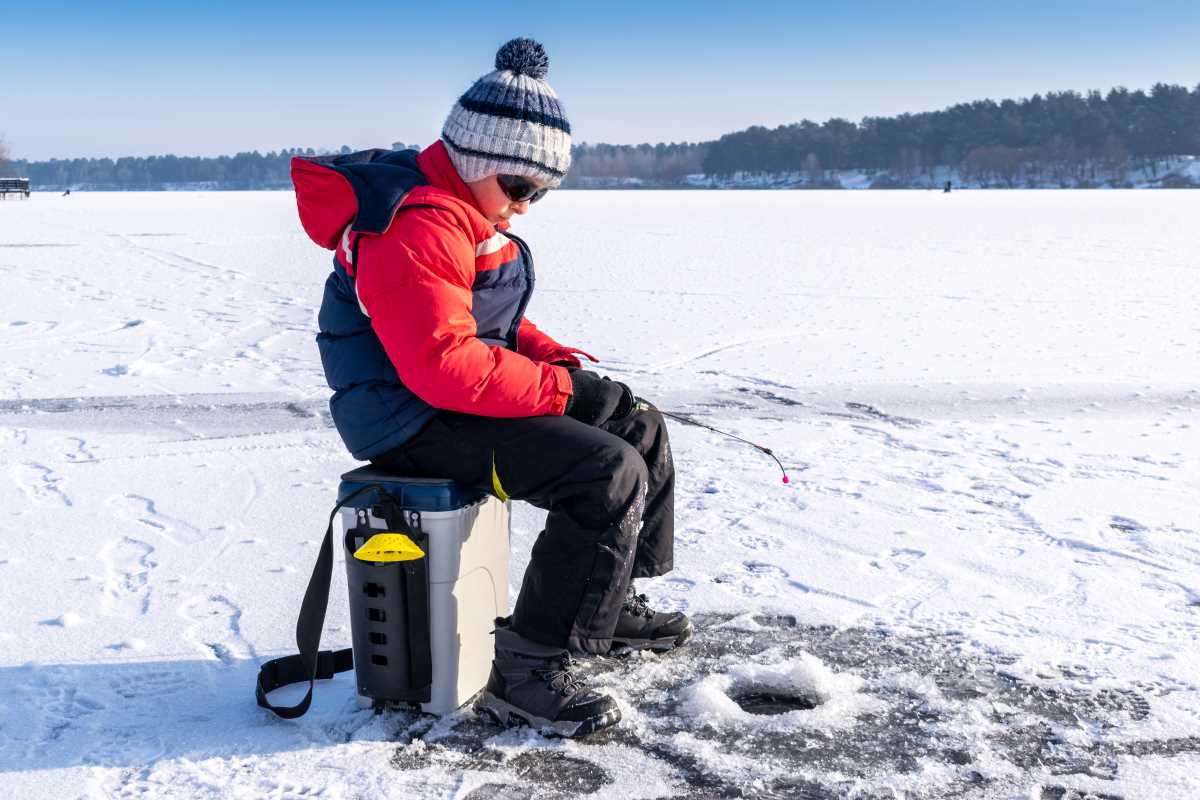
Imagine a vast, frozen lake stretching out to the horizon, its surface shimmering beneath a crisp, blue winter sky. The air is still and silent, a profound quietness broken only by the satisfying crunch of your boots on fresh snow. This is the unique and enchanting setting for ice fishing, an age-old pastime that brings people together to embrace the outdoors in a truly memorable way. It’s about more than just catching fish; it’s a cherished opportunity to connect with the raw beauty of nature, trade stories and laughter with friends around a warm thermos, and soak in the quiet, meditative peace of the icy landscape. This guide explores the enduring customs surrounding this favorite winter activity. Get ready to experience a cherished northern tradition.
The History of Ice Fishing
Ice fishing began as a necessity for survival in cold northern environments. For thousands of years, indigenous peoples across North America and Eurasia turned to this clever method to find food during the harshest winters. Using hand-carved spears and inventive lures, they devised ways to catch fish through carefully chiseled holes in the ice. This important seasonal practice was a lifeline rather than a leisure activity. Archaeological discoveries highlight the creative approaches and adaptability of early communities who relied on frozen waters to meet their needs.
As the years passed, what began as an essential means of survival gradually evolved into a leisure pursuit and an important cultural custom. Techniques passed from Indigenous groups to European settlers in North America, who spread them far and wide. The arrival of inventions such as hand-cranked augers in the 1800s, followed by gas-powered models, made cutting holes in frozen lakes much less demanding. Thanks to these advances, this cold-weather pastime became much more approachable and enjoyable, inviting everyone from die-hard adventurers to casual enthusiasts to join in.
The Basic Process of Ice Fishing
Diving into this time-honored activity offers a mix of excitement and relaxation. The basic steps are simple, though you'll need some patience and proper equipment. Here's a brief overview of how the experience typically unfolds.
- Finding a Spot: The first step is to locate a good fishing spot on a frozen lake. Experienced anglers look for underwater structures like drop-offs, weed beds, or rock piles, as these are places where fish tend to gather.
- Drilling the Hole: An auger, which is a large corkscrew-like drill, is used to cut a circular hole through the ice. Augers can be manual, electric, or gas-powered. The ice must be at least four inches thick to be considered safe for walking.
- Clearing the Hole: Once the hole is drilled, a skimmer (a small tool that looks like a ladle with holes) is used to scoop out the loose ice and slush, keeping the hole clear.
- Fishing: A short, specialized ice fishing rod and reel are used to lower a lure or baited hook into the water. Anglers often use jigging techniques, which involve rhythmically lifting and dropping the rod tip to make the lure mimic the movement of prey.
Essential Gear for a Day on the Ice
Having the proper gear makes your time on the ice much more enjoyable and successful. Here’s a rundown of items you’ll want to bring along for comfort and convenience.
- Auger: This is for drilling your hole. Manual augers are lightweight and quiet, while powered augers make quick work of thick ice.
- Ice Fishing Rod and Reel: These are much shorter and more sensitive than regular fishing rods, allowing you to detect subtle bites from fish in cold water.
- Tackle: You'll need a selection of small lures, called jigs, or hooks for live bait like minnows or wax worms.
- Skimmer: This simple tool is essential for keeping your fishing hole free of ice.
- Tip-Up: This clever device allows you to fish multiple holes at once. It consists of a frame that holds a spool of line in the water. When a fish bites, it triggers a flag to pop up, letting you know you have a catch!
- Ice Shelter: For protection from wind and snow, many anglers use a portable ice shelter. These can range from simple windbreaks to insulated tent-like structures with comfortable seating.
- Safety Gear: Ice picks are a must-have safety item. These are worn around your neck and used to pull yourself out of the water if you fall through the ice.
Ice Fishing Traditions Around the World
This popular cold-weather pastime plays a meaningful role in northern societies, celebrated in a variety of ways that reflect local culture and community spirit.
North America
Across the United States and Canada, this winter activity stands out as a beloved tradition, especially in areas like the Great Lakes, Upper Midwest, and New England. Places such as Minnesota, Wisconsin, and Michigan are renowned for their seasonal "ice villages." Here, countless small shelters (known as shanties) dot the frozen lakes, forming bustling pop-up communities. Some shelters are quite impressive, featuring heaters, bunks, and even satellite TV. Major competitions are common, attracting large crowds and awarding prizes to those with the best catches.
Finland
In Finland, spending time on frozen lakes with a rod and line, known as "pilkkiminen," is a beloved winter pursuit for all generations. Many appreciate it as a peaceful, almost meditative experience and a way to truly savor the calm of a snowy Finnish day. Friendly local contests are frequent, bringing together neighbors in a spirit of camaraderie rather than strict competition. It’s common for participants to pack a thermos of something warm to drink and enjoy a simple meal outdoors, making the outing as much about relaxation and togetherness as about the actual catch.
Russia
Across Russia, casting a line through thick ice is a true winter ritual. Enthusiasts venture into the biting cold of Siberia and regions beyond, eager to test their stamina in frozen landscapes. Techniques and stories are handed down as treasured family traditions, turning each outing into both a challenge and a bonding experience. You’ll see many anglers using a “palatka,” a compact tent that offers shelter from the wind and snow. Afterward, friends often gather to share food, laughs, and tales of the day, making every success (and even the misses) worth celebrating.
Conservation and Safety First
Taking part in this winter pastime also means being mindful and following safe practices. Always review local guidelines for open seasons, limits, and any special rules for the lake or river you visit. Releasing larger fish, especially those important for breeding, helps preserve strong wild stocks for years to come.
Being cautious is essential anytime you venture onto frozen water. Stay off surfaces with less than four inches of solid ice. Tell someone about your plans and estimated return time. Wear warm, waterproof clothing, and bring a friend for company and safety. By keeping these important tips in mind, you’ll enjoy an amazing and worry-free outing. Bundle up, go explore, and cherish the memories made outdoors!