(Image via
Winter brings its own unique magic to the northernmost parts of Europe, where snow-covered landscapes and warm, inviting towns create the perfect setting for discovery. These chilly months are a time to embrace the season’s cozy charm, and part of that charm lies in the incredible array of local dishes crafted to warm your heart and soul. From hearty stews to indulgent baked goods, these meals are designed to chase away the cold while showcasing the region’s rich culinary traditions. If you’re feeling adventurous, now’s the time to explore some unforgettable flavors. Join us as we delve into surprising specialties, sharing the stories, tastes, and traditions that make winter in Northern Europe truly unforgettable.
Fermented Shark (Hákarl) - Iceland
If you’re up for a bold culinary experience, Iceland is home to a dish known for leaving a lasting impression: Hákarl. This specialty is made by fermenting Greenland shark, using a careful process that cures and then air-dries the meat for several months.
A Viking Tradition
Preserving shark meat using fermentation goes back centuries. The Greenland variety is naturally unsafe to eat fresh due to its high levels of toxins. Early inhabitants, unable to cook it conventionally, learned to bury the fish in shallow earth and let nature break down harmful substances. After several weeks, the meat would be hung to age further, creating a reliable food source for the toughest winter months.
What Does It Taste Like?
This dish is famous for its powerful ammonia aroma and a bold, memorable flavor that many say takes some getting used to. It’s presented in bite-sized cubes, often offered with a toothpick and paired with Brennivín, a local schnapps known for its caraway notes. Sampling Hákarl is considered a true test of adventurous taste buds and offers a fascinating glimpse into Iceland’s inventive food traditions.
Lutefisk - Norway, Sweden, Finland
A classic from the region, Lutefisk stands out as a divisive favorite during the holidays. This unusual dish is prepared using aged stockfish or salted cod, which is carefully soaked in lye before serving.
A Curious Preparation
Making Lutefisk takes time and patience. First, the dried fish is soaked in cold water for several days to rehydrate it. Next, it’s placed in a lye solution, which transforms its texture into something almost jelly-like and translucent. Before eating, the fish goes through more water baths to reduce its alkalinity. Finally, it is either baked or steamed and enjoyed with a variety of traditional sides.
How to Enjoy It
Its flavor is subtle and mild, but what truly sets this dish apart is the jelly-like texture that makes it unforgettable. In Norway, it’s a seasonal favorite alongside boiled potatoes, green peas, melted butter, and crispy bacon pieces. In Sweden and Finland, some pair it with a tangy mustard sauce or a touch of allspice. Considered a classic part of the holiday table, this meal is a must for anyone hoping to enjoy a festive Nordic feast.
Blood Pudding (Blodpudding/Verivorst) - Sweden & Estonia
Blood-based sausages appear around the world, but in colder climates like Sweden and Estonia, they're a comforting winter staple. Blodpudding and Verivorst are both robust and satisfying dishes, each carrying a deep connection to local farming traditions and seasonal celebrations.
Nose-to-Tail Eating
These comfort foods began out of the need to use every part of the animal after butchering. Made using pig’s blood, pork or suet, grains like flour or barley, and a unique blend of spices, the mixture is cooked until firm. In Sweden, Blodpudding is typically sliced and pan-fried in butter, then served with lingonberry jam and sometimes bacon or cabbage. In Estonia, Verivorst is a special part of the Christmas table, usually oven-baked and enjoyed with potatoes and a spoonful of lingonberry sauce.
A Surprisingly Sweet and Savory Flavor
Despite its bold name, this sausage has an unexpectedly rich taste, blending sweet and earthy notes from ingredients like molasses or marjoram. Its savory qualities are perfectly balanced by the brightness of lingonberries. This hearty, nourishing dish offers an intriguing look at the region’s resourceful approach to seasonal cooking.
Smalahove - Norway
One of the most eye-catching dishes you’ll find, Smalahove is a traditional treat from western Norway that uses a sheep’s head as its main ingredient. Originally considered a humble meal, today it’s enjoyed as a specialty during holiday celebrations.
A Unique Delicacy
Smalahove preparation starts with splitting the sheep’s head and carefully removing the brain. The halves are salted, sometimes lightly smoked, and left to dry before a long boil or steam. A traditional part of the Midwinter table, it’s most often enjoyed in the weeks before Christmas. Diners eat the tender meat straight from the bone, with the eye and ear held in especially high regard.
A Feast of Textures
The meat is soft and rich, much like some of the best lamb cuts you might try. Traditionally, it’s served with warm sides like boiled potatoes and mashed rutabaga. Gathering around Smalahove is a lively, social tradition in western Norway, celebrating age-old customs. For those eager to try something truly out of the ordinary, this specialty delivers an experience that’s sure to be memorable.
Leipäjuusto - Finland
If you're looking for something less daring but still distinctive, try Leipäjuusto from Finland. Sometimes referred to as "bread cheese" or "squeaky cheese," this fresh dairy favorite is a beloved part of local hospitality, especially during the colder months.
"Squeaky Cheese"
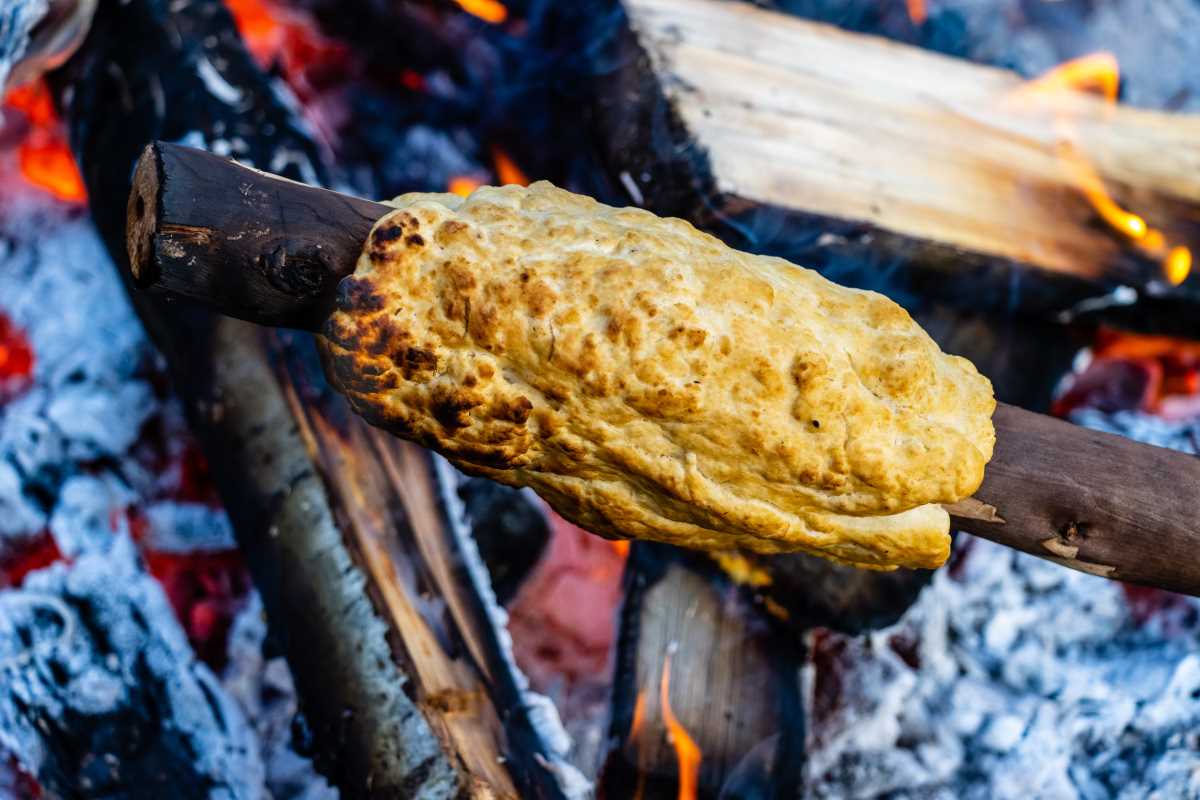
Leipäjuusto is usually prepared from the rich milk of a cow that’s recently calved, though more common recipes use regular dairy. The milk is curdled before being baked, grilled, or flambéed, giving it its signature browned, toasty spots. This age-old process creates a firm, pleasantly squeaky bite that makes this cheese stand out from the rest.
A Warm and Sweet Treat
While it’s certainly tasty straight from the fridge, Leipäjuusto is most delightful when served warm. Many enjoy it as a sweet finish to a meal, topped with a dollop of cloudberry jam, or even dunked into hot coffee for a soft, creamy treat. The gentle sweetness of the cheese and the tart burst from cloudberries make this a comforting delight that’s perfect for chilly evenings.
The flavors you’ll find here reflect centuries of ingenuity and the close relationship between people and their environment. Every meal holds stories of survival and joyful gatherings. Trying something you’ve never eaten before is an amazing way to engage with local traditions. On your next cold-weather adventure up north, make it a point to sample these curious and delicious dishes. You might just uncover a new favorite.