 (Image via
Winter transforms the world into a serene, minimalist masterpiece, offering a unique canvas for photographers. The vibrant textures and colors of other seasons vanish beneath a pristine blanket of white, unveiling a landscape defined by crisp lines, dramatic shadows, and bold contrasts that invite creative exploration. This stark beauty challenges photographers to focus on form and composition in a new light. Whether you carry a simple camera in your coat pocket or travel with a full professional kit, a guided photography trip can unlock incredible possibilities to capture this magical time. Let’s dive into what makes braving the chill so artistically rewarding, and discover the most breathtaking locations where you can create truly unforgettable winter images.
Why Choose a Guided Winter Photo Expedition?
Heading into frigid conditions may feel intimidating at first, but setting out with an experienced guide transforms the journey. These carefully planned trips bring you to inspiring locations just when the light is most magical, ensuring you make the most of each fleeting moment in the short, wintry days.
Expert Knowledge of Light and Location
The light during these months is unlike any other. The sun skims the horizon, casting deep, elongated shadows and suffusing everything with a gentle golden hue that lingers. Seasoned guides understand how natural illumination shifts throughout the day and across various settings. Their insights spare you the guesswork, taking you straight to stunning frozen falls, peaceful forests laced in white, or wild coastlines at just the right moment, when the scenery truly shines.
Safety and Logistics
Traveling slippery roads and trudging through thick snow can be challenging and even risky. Guided experiences eliminate these worries, providing everything from tough vehicles to essential gear such as crampons or snowshoes. You’re free to focus on creativity, not logistics. There's no need to worry about sliding into a snowbank or losing your bearings in a swirling whiteout.
Mastering the Exposure: Tips for Snow
Photographing in an all-white environment comes with unique challenges. Your camera’s meter can misinterpret the scene and make everything look drab and gray. Here are a few practical pointers to help you prepare before heading out.
Overexpose to Keep it White
Your camera’s light meter tries to balance every scene to “middle gray.” When you aim at a scene filled with bright snow, the meter tends to underexpose the image, making that brilliant snow look dull and lifeless. To avoid this, use positive exposure compensation (typically between +0.7 and +2.0 stops) to remind your camera that the view is supposed to be bright and vibrant, not gray and muted.
Watch Your White Balance
When light filters through shadows, snow can sometimes take on a bluish cast. While this effect adds a crisp, wintery mood, it can occasionally feel overwhelming in your images. Switching your white balance setting to "Shade" or "Cloudy" often restores a more natural look and returns the brightness you remember. If you prefer more control later, shooting in RAW lets you fine-tune warmth and tone during post-processing for the best results.
Protect Your Gear
Chilly weather causes batteries to lose power much faster than normal, so bring extras and keep them cozy in an inner pocket. Be aware of condensation issues, too. If you return indoors from the cold, put your camera in a sealed plastic bag before entering, and let it gradually adjust to room temperature. This simple step protects your lens and electronics from unwanted moisture.
Top Destinations for Icy Imagery
When the world freezes over, some destinations take on an entirely new character, offering breathtaking vistas you won’t find any other time of year. If you’re looking for the perfect place to hone your camera skills, these three locales are well-loved choices for photo enthusiasts and often serve as highlights in adventure-focused itineraries.
Lofoten Islands, Norway
This island chain is known for its dramatic vistas: jagged peaks soar up from deep blue waters, each topped with a fresh dusting of snow. Here, the contrast between white-capped mountains, dark rocky cliffs, and the distinct red fishing cabins (rorbu) creates images that practically compose themselves. And with its location above the Arctic Circle, the odds of photographing the colorful aurora borealis shimmering over quiet fjords are truly in your favor.
Yellowstone National Park, USA
Yellowstone this season offers a dramatic mix of steamy geysers and stark, icy stillness. Plumes from hot springs rise into the brisk air, covering nearby trees in shimmering coats of rime ice, nicknamed "ghost trees." You'll also spot more wildlife now against snowy plains, as animals like bison, elk, and even wolves become easier to view. Outings often include specialized snowcoaches, which bring you deeper into the park for those can’t-miss shots of herds traversing untouched drifts.
Hokkaido, Japan
Japan's northernmost island is celebrated for its elegantly simple vistas. You’ll find the renowned "snow monsters" lining Mount Zao (trees sculpted by frost and wind) and spot Red-crowned cranes gliding gracefully over snowy fields in Tsurui. The overall mood is minimalist and serene, ideal for those who enjoy exploring the beauty of open space and understated compositions. If you’re lucky, you might also capture striking images of Steller’s sea eagles resting on drifting ice flows.
Capturing the Details
While sweeping vistas steal the spotlight, be sure to explore what’s right beneath your feet. The colder months bring out unique opportunities for fascinating close-up shots.
Ice Textures and Patterns
Frozen puddles, cracks in ice, and delicate patterns of frost on windows create endless options for abstract close-ups. Grab a macro lens or simply move in tight to highlight the fascinating forms of frozen water. Even small details like these help share the beauty of winter’s chill just as much as a sweeping scene.
The Human Element
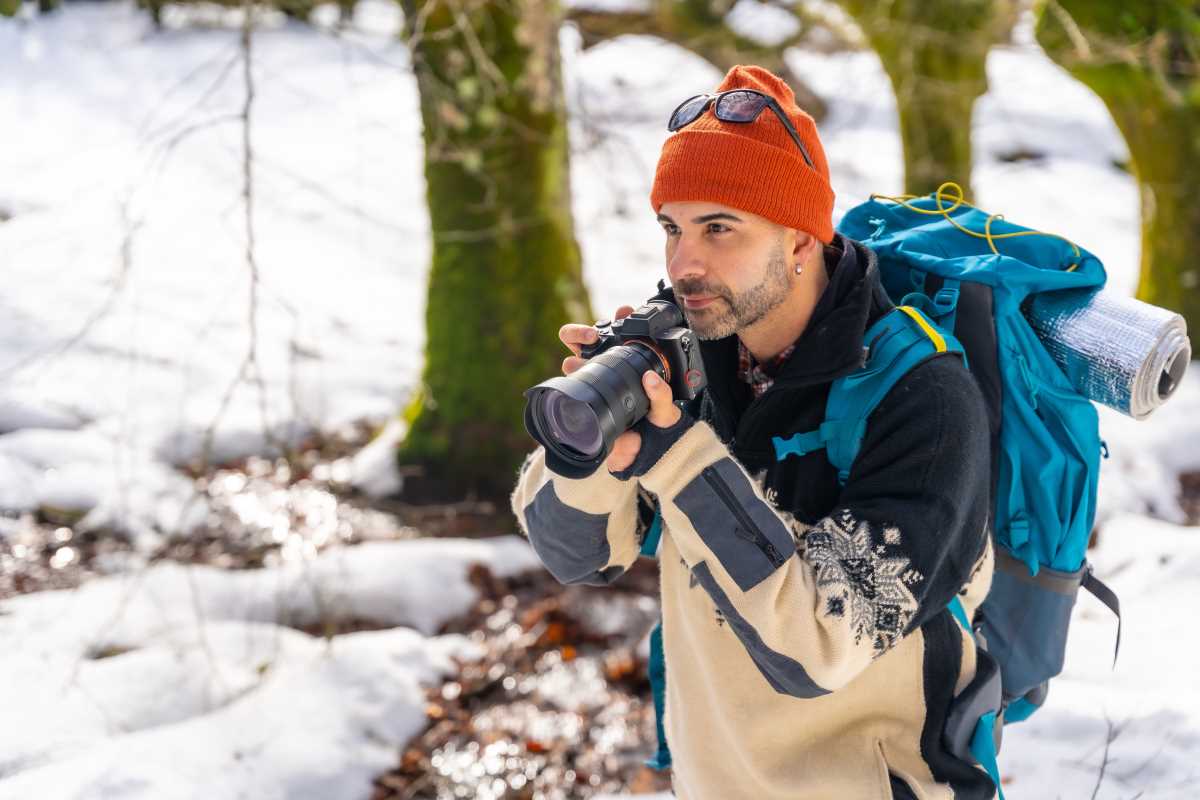
Placing a person in your shot instantly adds depth and context. A pop of color, like a red coat, set against a snowy background creates a striking focal point. Their presence helps convey just how immense and awe-inspiring the scene is, bringing an extra sense of journey and solitude to your collection.
Preparation is Key
Achieving great images in the cold is mostly about how well you plan ahead. Layer up with merino wool on the bottom, a warm middle, and an outer shell that blocks wind and moisture; these basics make a world of difference. For your hands, gloves that let you adjust your camera are a must; many travelers prefer thin liners topped with convertible mittens that can be flipped back when you’re ready to take the shot.
Staying cozy helps you linger outdoors, ready to catch that unforgettable image. If the chill sets in, you’re more likely to hurry and miss out on those special moments that demand patience and a steady hand.
Embrace the Cold
Joining a dedicated photo adventure gives you a fresh perspective on the unspoiled wonders of the season. The quiet of snow-laden woods and the unmatched clarity in the air set the stage for magical moments behind the lens. With the right planning and an understanding of how light interacts with winter scenes, you’ll come back with a gallery of images that truly reflect the tranquility and grandeur of the colder months. Bundle up, fill your batteries, and embark on a creative journey through wintry settings.