 (Image via
The far north is a land of striking contrasts: icy expanses, open skies, and pockets of vibrant life. Scattered throughout this immense region are secluded islands that have become havens for some of the world’s toughest creatures. Though these remote outposts appear barren at first glance, they are alive with activity, from powerful predators to flocks of seabirds. Here, animals have developed unique strategies to cope with harsh conditions, making these habitats vital for survival in extreme climates. Visiting these places grants travelers a special look into a realm where nature’s resilience shines. Join us as we explore remarkable islands at the top of the globe and meet their incredible wild inhabitants.
Svalbard, Norway: The Realm of the Polar Bear
The Svalbard archipelago, perched high above the Arctic Circle, offers one of the most authentic glimpses into northern wildlife and untouched terrain. Its rugged blend of glaciers, mountains, and fjords invites travelers seeking genuine wilderness encounters.
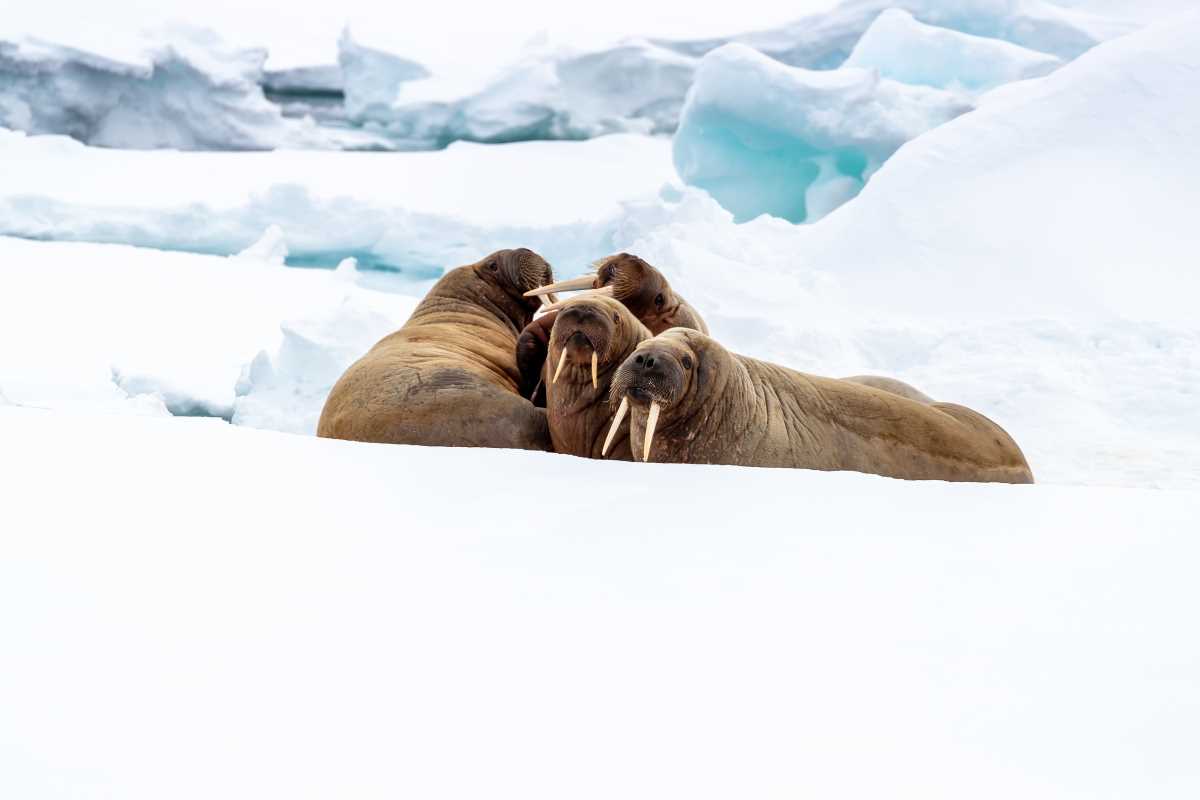
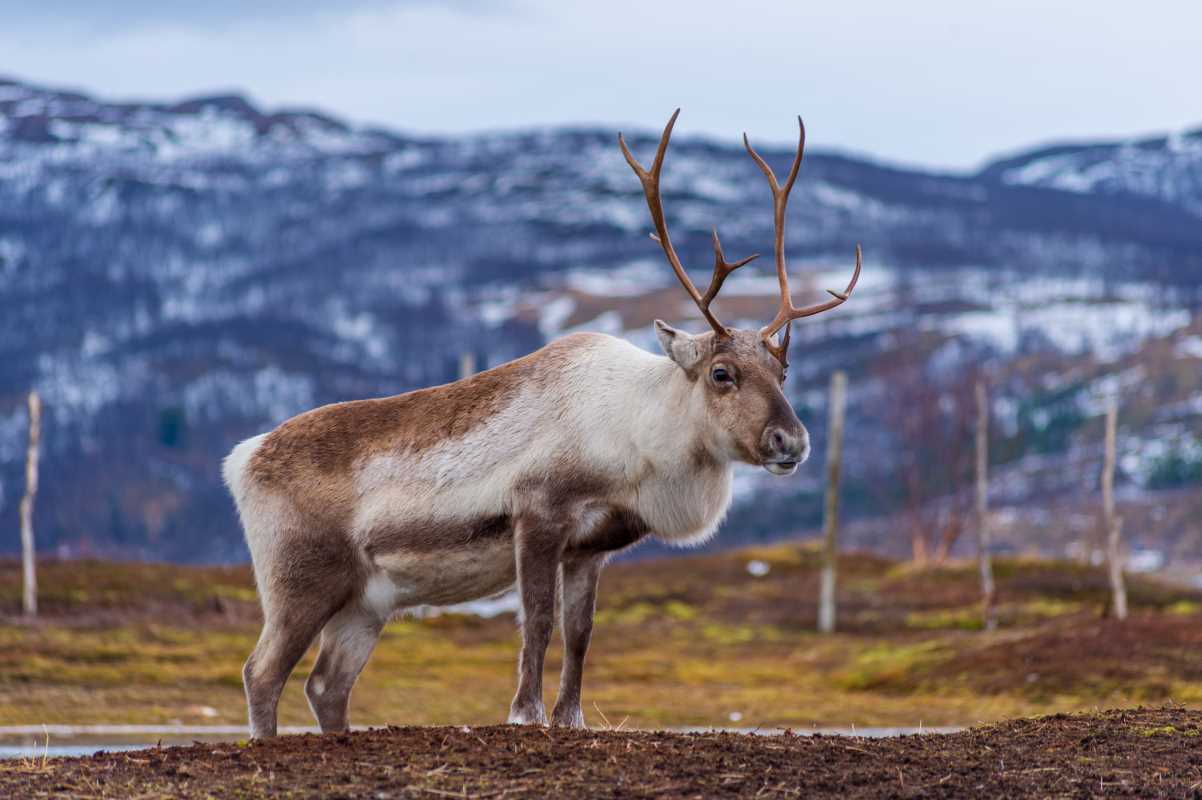
- Wildlife Highlights: Svalbard is known for its polar bears, as many from the Barents Sea gather on the islands for denning and hunting. While exploring, you could also encounter Svalbard reindeer, Arctic foxes, and large walruses basking on the ice or beaches.
- What Makes It Special: Over half of Svalbard’s land is safeguarded as parks and reserves, helping maintain its natural state. The productive waters nearby support an array of marine life, including seals and different whale species.
- Birdwatcher's Paradise: In summer, sea cliffs across the archipelago bustle with birdlife. You can see countless little auks, Brünnich's guillemots, puffins, and kittiwakes nesting and caring for their chicks.
Wrangel Island, Russia: A Prehistoric Nursery
Wrangel Island, a UNESCO World Heritage site in the Chukchi Sea between Russia and Alaska, is one of the region’s most secluded and carefully protected natural reserves. Often described as the “polar bear maternity ward,” this remote area is renowned for the large number of bears that come here to give birth and rear their young.
- Wildlife Highlights: Wrangel Island is home to a remarkable variety of animals, including the world’s largest gatherings of Pacific walruses and an abundance of polar bear dens. This place serves as a critical nest for many northern species. You might also see muskoxen, reindeer, Arctic foxes, and snowy owls.
- What Makes It Special: The island’s landscape was never completely covered by ice during the last glaciation, enabling it to preserve impressive ecological diversity. Adding to its intrigue, Wrangel was one of the final strongholds for woolly mammoths, whose dwarf descendants lived here until about 4,000 years ago.
- Conservation and Access: Visiting this remote land is rare, with strict rules in place to safeguard its environment. Most travelers arrive on expedition cruise ships with special permits, making it a truly exclusive glimpse into an untouched corner of the Arctic.
Baffin Island, Canada: Land of Giants
As the largest in Canada, Baffin Island lies within Nunavut and offers a landscape of remarkable scale and rugged elegance. Its soaring peaks, deep fjords, and expansive icefields create an awe-inspiring setting for discovering northern wildlife.
- Wildlife Highlights: Baffin Island is renowned for its incredible variety of marine life. The waters off its eastern shore attract bowhead whales each summer and are teeming with narwhals, the mysterious “unicorns of the sea.” Keep an eye out for polar bears roaming the coastlines and icy expanses.
- What Makes It Special: Parks such as Auyuittuq and Sirmilik protect important areas on the island. Sirmilik is especially valued for its seabird nesting grounds, caribou herds, and as a safe haven for narwhal calves.
- Cultural Connection: Many Inuit communities call this island home, and daily life is closely linked to the surrounding land and animals. Travelers can discover traditional ways of living that reflect a rich heritage and deep respect for this environment.
Greenland: Icebergs and Muskoxen
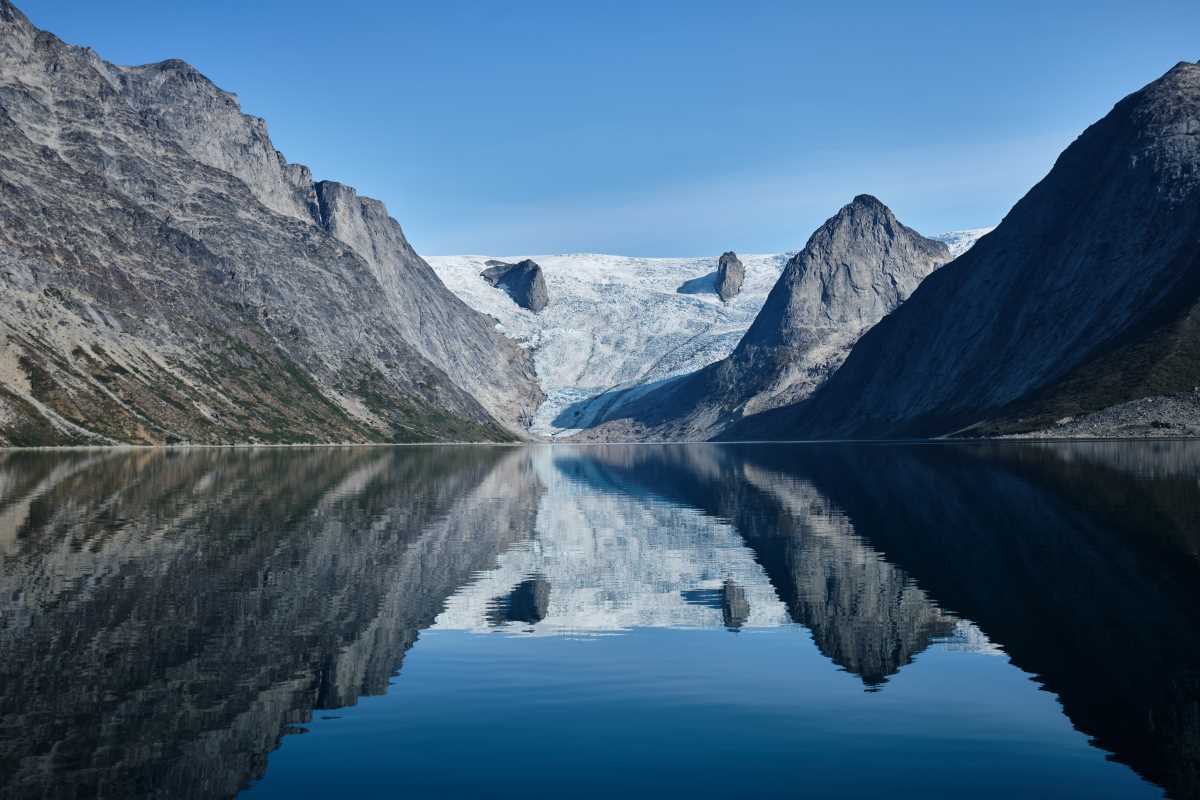
Greenland, the largest island on Earth, stands out for its striking landscape dominated by vast sheets of ice. Yet, its shorelines and fjords are lively with an unexpected range of creatures adapting to the northern environment.
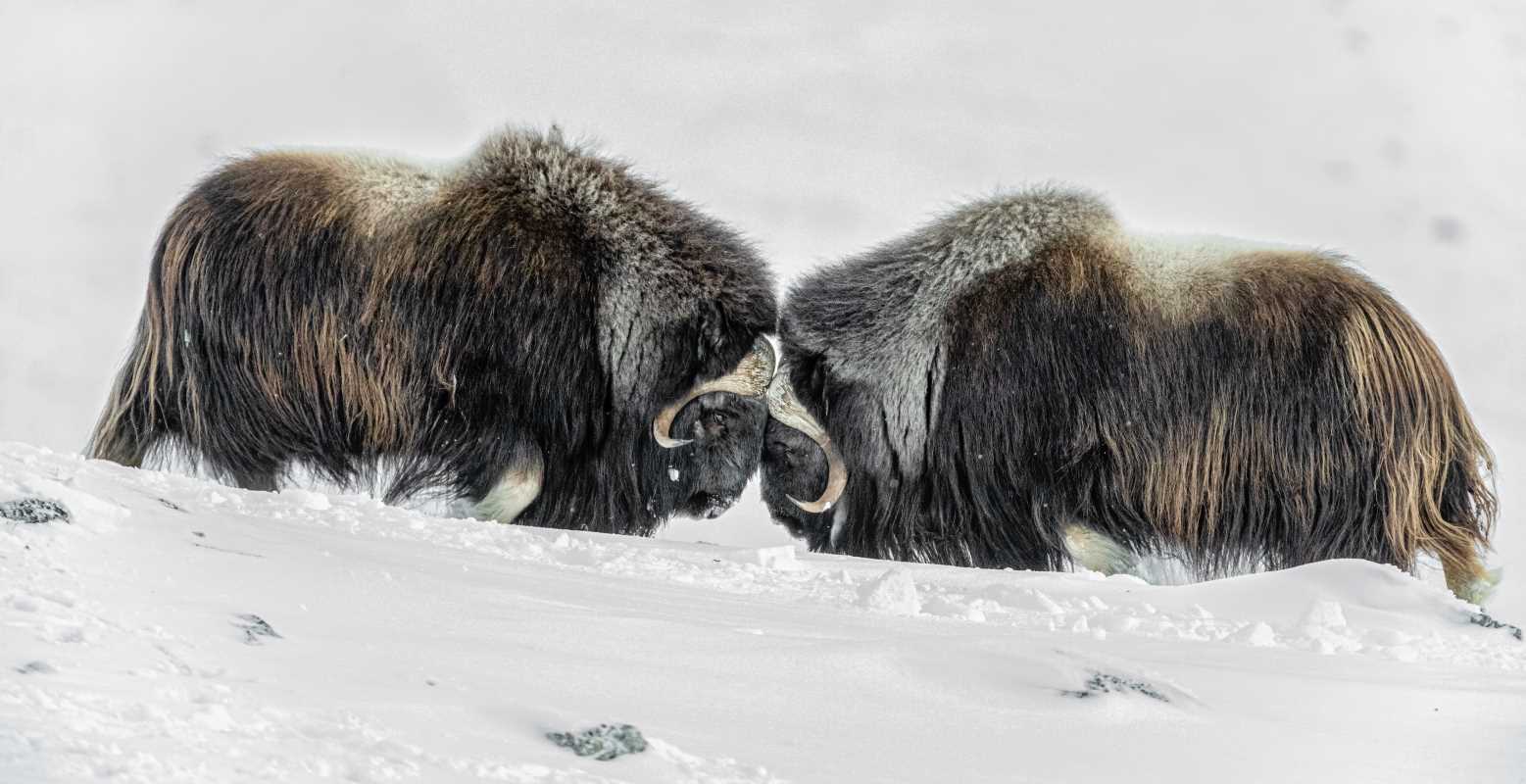
- Wildlife Highlights: Northeast Greenland National Park, the largest of its kind, offers a safe haven for muskoxen, whose thick coats help them withstand the cold. Along the rugged coastlines, you might spot polar bears, Arctic foxes, and several types of seals.
- What Makes It Special: Greenland’s shoreline is renowned for its massive icebergs drifting out to sea after breaking from glaciers. These ice sculptures create an unforgettable setting for observing whales and other marine animals. Disko Bay, situated on the western coast, is particularly popular for spotting humpbacks.
- Incredible Adaptations: The resident animals display remarkable survival skills. Greenland sharks can live for centuries in chilly northern waters. Arctic hares and ptarmigans blend into the landscape by changing their color with the seasons, helping them evade predators.
Protecting These Fragile Worlds
This northern region is warming rapidly, putting immense pressure on its extraordinary animals and fragile habitats. The loss of sea ice creates serious problems for creatures such as polar bears and walruses, both of which depend on these frozen platforms for survival, whether that’s hunting, resting, or raising their young.
Visiting with trusted, environmentally conscious guides helps preserve these special places. When you join a journey operated by those who uphold high standards, your presence supports protection efforts and benefits local communities.
Here’s what you can do to make a difference:
- Select ethically minded guides who belong to groups such as AECO (Association of Arctic Expedition Cruise Operators).
- Observe wildlife from afar to ensure animals remain undisturbed.
- Practice minimal impact travel by taking only photos and leaving only footprints.
The far northern islands offer more than icy expanses and remote settings. These remarkable environments are full of movement and color, where every animal has developed unique ways to thrive. Visiting these secluded outposts means stepping into a world defined by resilience and adaptation. You might glimpse a bear traversing sea ice, hear the raucous calls of thousands of nesting birds, or spot the spray from a whale in chilly waters. Take the leap to plan your own northern journey and prepare to be amazed by the unexpected abundance waiting for you at the top of the globe.