 (Image via
The Earth’s coldest regions captivate with their immense ice sheets and stark, frozen vistas. Within these distant places lie some of the world’s most extraordinary protected areas, safeguarding fragile habitats and inviting unforgettable exploration. For those who crave untamed scenery, these far-flung parks are a must-see. They put nature’s strength and beauty on full display, from sheer glaciers to rare, impressive creatures. Setting foot in these lands offers a meaningful connection to our planet’s wild side and underscores why caring for these areas matters. Visiting the extreme north and south is a chance to step into places of shimmering ice, striking light, and awe-inspiring moments.
Exploring the Arctic Circle Parks
The Arctic is far from empty or lifeless. It’s home to a range of protected areas that showcase dramatic scenery and a fascinating variety of wildlife. Let’s take a closer look at some standout preserves in these northern latitudes and what sets each apart.
Northeast Greenland National Park, Greenland
Spanning a breathtaking 972,000 square kilometers, Northeast Greenland National Park holds the title of the world’s largest protected area. Its sheer scale is almost unimaginable, surpassing the size of most nations. This vast landscape remains largely untouched, preserving a sense of pure wilderness seldom found elsewhere.
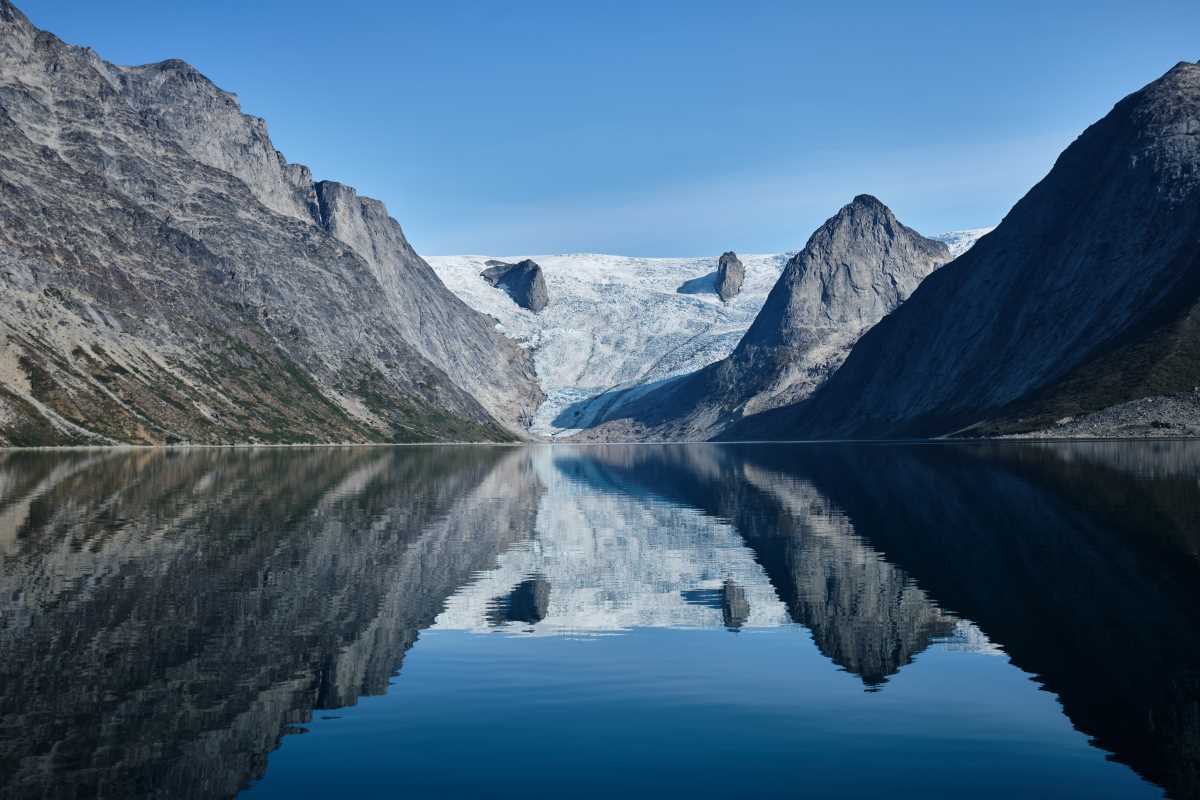
- Unique Features: The landscape is a dramatic mix of ice-capped mountains, deep fjords, and a vast ice sheet that stretches to the horizon. The park’s coastline is jagged and beautiful, with massive icebergs calving from glaciers and floating out to sea.
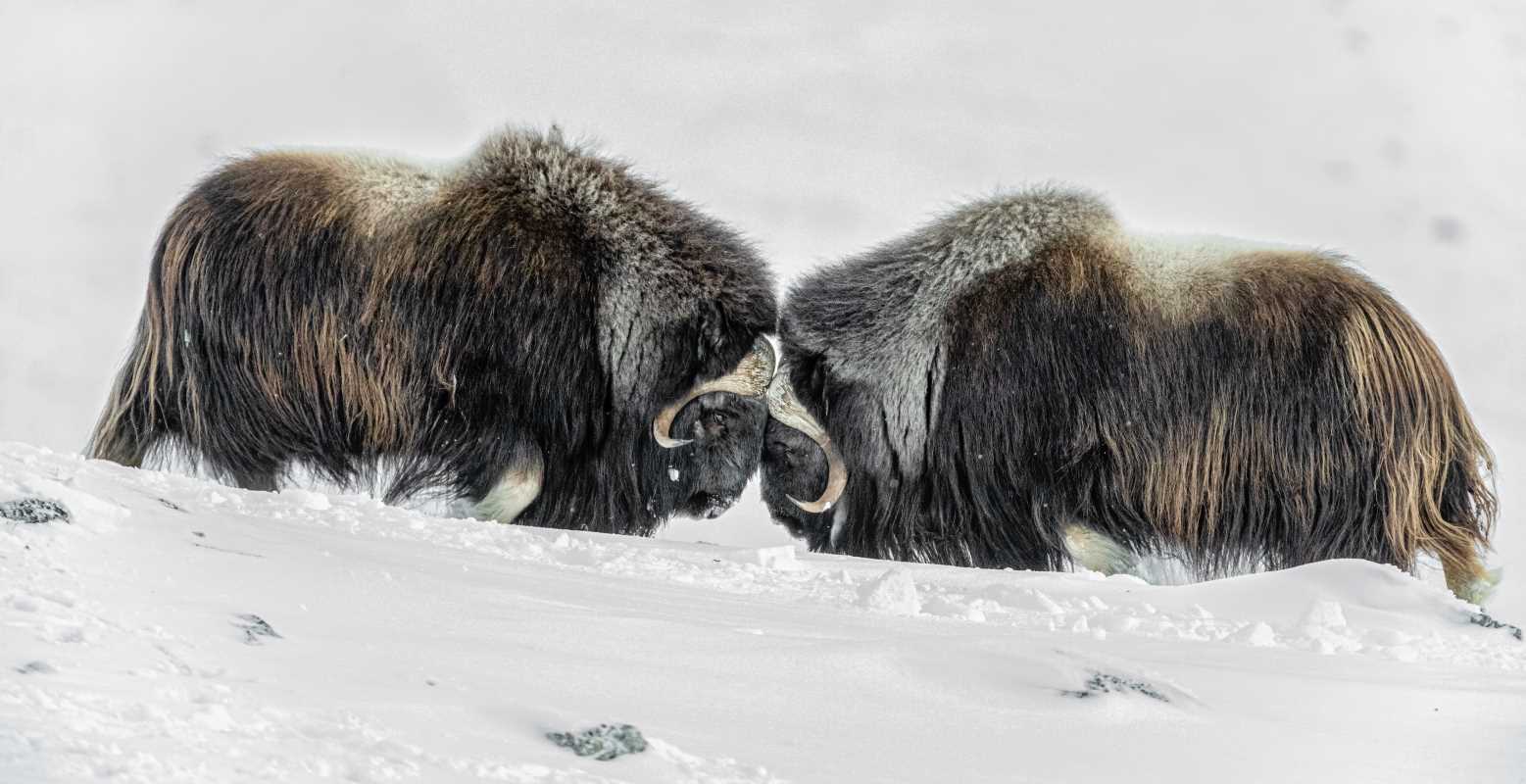
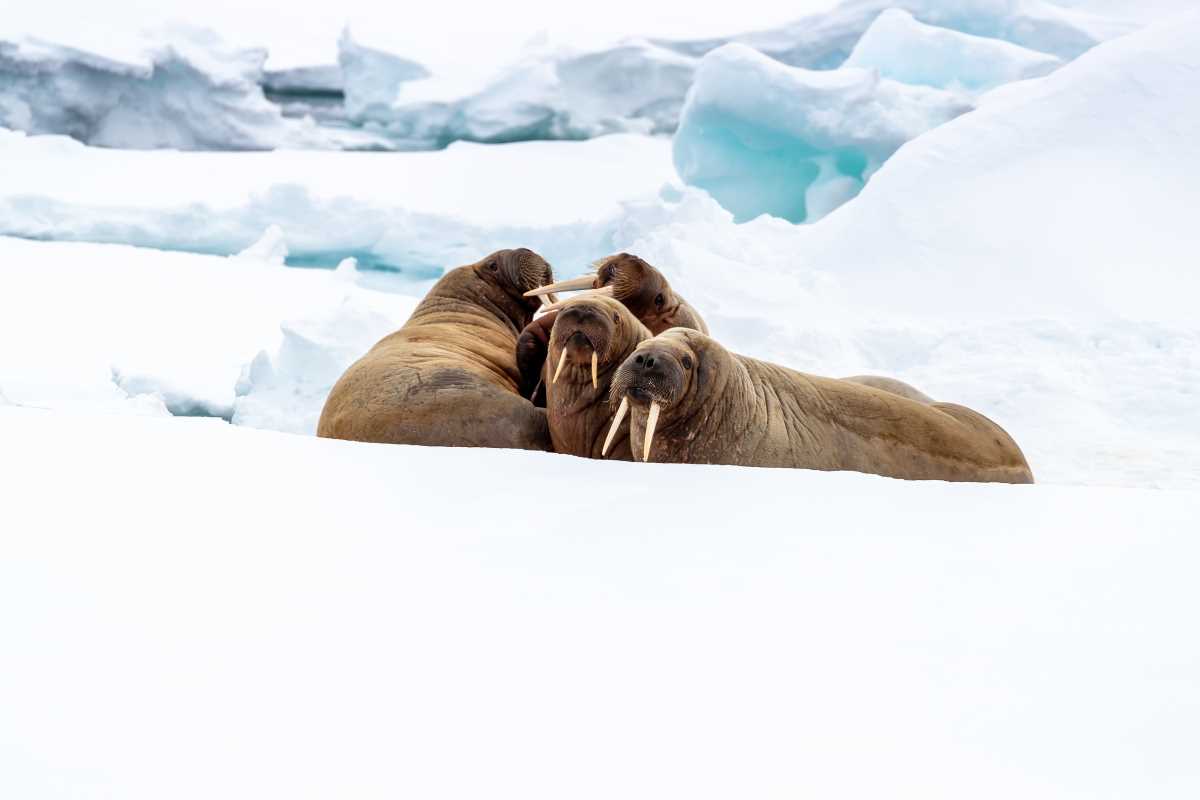
- Wildlife: This park is a critical habitat for many Arctic species. It is a major denning area for polar bears and is home to a significant population of muskoxen. You might also spot Arctic foxes, stoats, collared lemmings, and Arctic hares. The coastal waters support walruses, seals, and various species of whales, including narwhals and belugas.
- Activities: Visiting this park is a serious undertaking, typically done via expedition cruises. Activities include Zodiac boat tours through fjords, hiking across the tundra, and wildlife photography. The goal is to observe the pristine environment with minimal impact.
Svalbard, Norway (with its multiple parks)
The Svalbard archipelago, found between Norway’s mainland and the North Pole, is a striking region where much of the landscape is safeguarded by an extensive network of preserves, including Sør-Spitsbergen and Nordvest-Spitsbergen.
- Unique Features: Svalbard is defined by its glaciated mountains, deep fjords, and polar deserts. The region experiences the midnight sun in summer and the polar night in winter, creating dramatic seasonal shifts. The landscape is dynamic, with glaciers constantly reshaping the terrain.
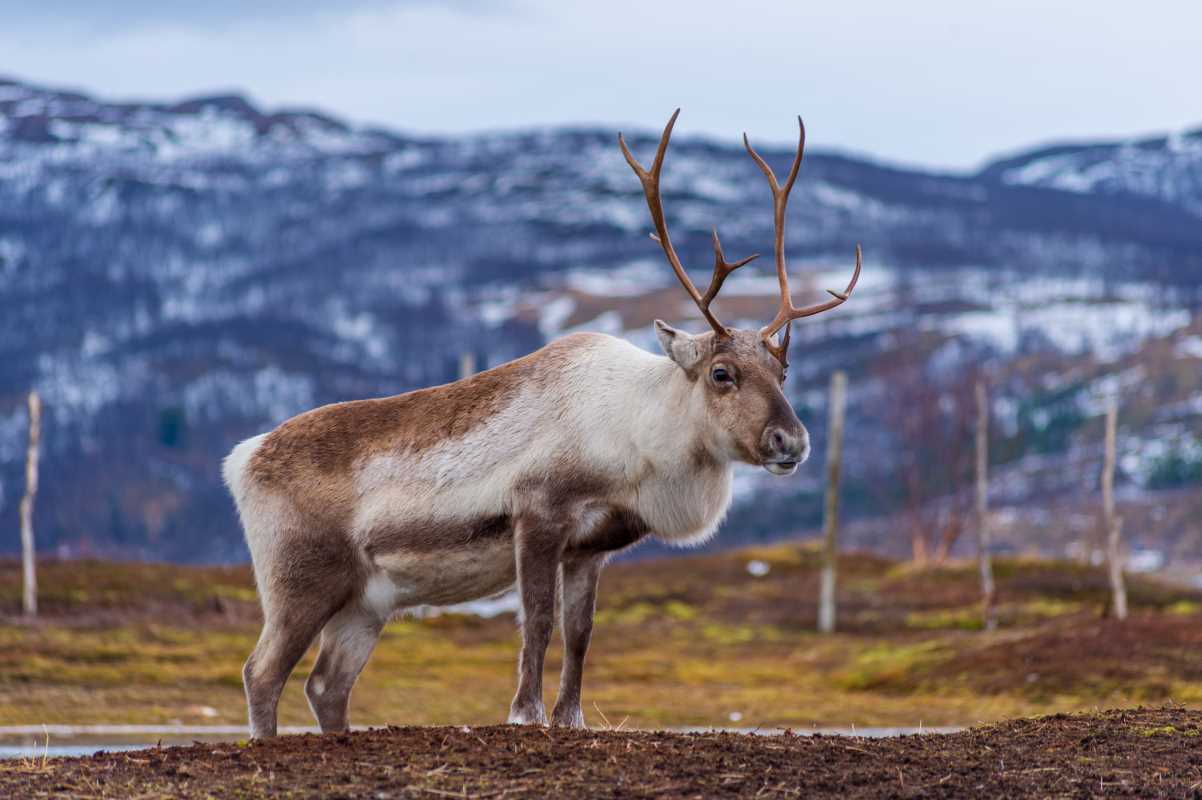
- Wildlife: Svalbard is famously known as a prime location for spotting polar bears. It is also home to the unique Svalbard reindeer, Arctic foxes, and immense seabird colonies, including puffins and kittiwakes. The surrounding waters are rich with walruses, seals, and whales.
- Activities: Expedition cruises are the most common way to explore Svalbard. Activities include guided hikes, kayaking among icebergs, and visiting historic whaling stations. In Longyearbyen, the main settlement, you can visit the Svalbard Museum and Global Seed Vault.
Auyuittuq National Park, Canada
Situated on Baffin Island in Nunavut, Auyuittuq National Park is a breathtaking showcase of Canada’s High Arctic. Its name, meaning “the land that never melts” in Inuktitut, perfectly captures the presence of sweeping glaciers and enduring ice caps.
- Unique Features: The park is characterized by the Penny Ice Cap, a remnant of the last ice age. Jagged granite peaks, including the famous Mount Thor with its sheer 1,250-meter cliff face, rise dramatically from glacial valleys. The Akshayuk Pass is a natural corridor that runs through the park, attracting experienced adventurers.
- Wildlife: While wildlife is more dispersed here than in other Arctic parks, you can still encounter polar bears along the coast, as well as Arctic hares, foxes, and lemmings. The park's birdlife includes peregrine falcons and snowy owls.
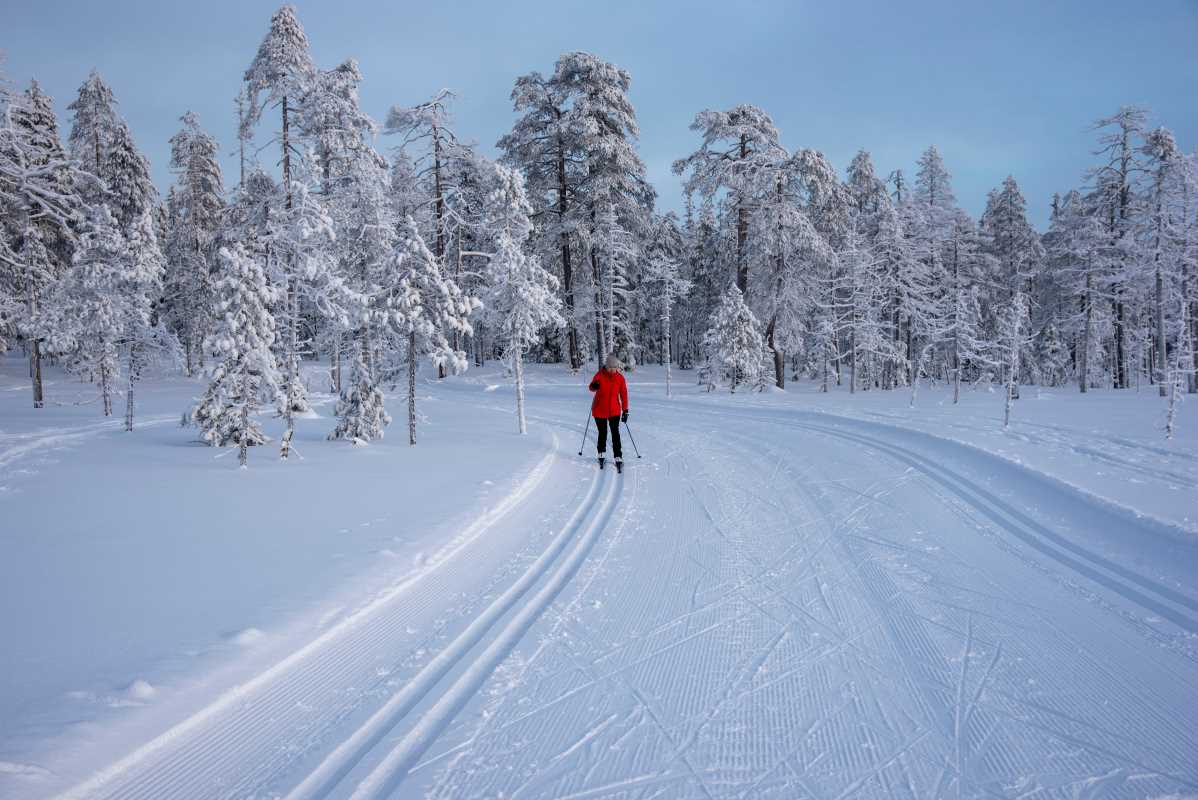
- Activities: Auyuittuq is a destination for serious trekkers and mountaineers. The trek through Akshayuk Pass is a challenging but rewarding multi-day journey. Ski touring and mountaineering are popular among experienced visitors. Due to the presence of polar bears, all visitors must undergo a safety orientation.
Venturing to the Antarctic Peninsula
Although Antarctica is governed by treaties focused on peace and scientific research, rather than being formally divided into traditional parks, select regions are designated as Antarctic Specially Protected Areas (ASPAs). The Antarctic Peninsula stands out as the most approachable region for visitors. Here, travelers will find breathtaking scenery and remarkable wildlife that seem almost unreal.
- Unique Features: The Antarctic Peninsula is a spine of mountains and volcanoes jutting out from the main continental ice sheet. The landscape is a breathtaking panorama of snow-covered peaks, vast glaciers, and ice-choked channels. Icebergs, some the size of small islands, drift through the waters, sculpted into fantastic shapes by wind and waves. The sheer scale and pristine nature of the environment are awe-inspiring.
- Wildlife: The peninsula is a haven for wildlife. It is home to massive colonies of penguins, including Adélie, gentoo, and chinstrap species. Various types of seals, such as crabeater, Weddell, and leopard seals, can be seen hauled out on ice floes. The nutrient-rich waters also attract whales, with humpback, minke, and orca sightings being common.
- Activities: Travel to Antarctica is almost exclusively by expedition ship. Once there, activities are regulated to protect the environment. You can explore via Zodiac cruises through icy bays, go ashore for guided walks to penguin rookeries, and even try kayaking. Some expeditions offer opportunities for camping on the ice or taking a "polar plunge" into the frigid waters.
The Importance of Responsible Tourism
Visiting these extraordinary environments is an opportunity that requires mindful stewardship. The delicate balance found here can be easily disrupted, and even minor disturbances may have lasting effects. The ongoing changes in climate are having significant consequences, leading to shrinking ice cover that endangers the many creatures that thrive in these unique habitats, such as polar bears.
Protecting these remarkable environments means choosing experienced tour providers with strong eco-friendly practices. Organizations such as the International Association of Antarctica Tour Operators (IAATO) and the Association of Arctic Expedition Cruise Operators (AECO) establish clear standards for environmentally conscious travel.
Here are a few key principles for visitors:
- Maintain a safe distance from wildlife to avoid causing stress or altering their natural behavior.
- Leave no trace. Nothing should be left behind, and nothing should be taken, including rocks, bones, or plants.
- Listen to your guides. They are experts in polar safety and environmental protection.
- Disinfect your gear. To prevent the introduction of non-native species, boots and equipment are often cleaned before and after shore landings.
Visiting these protected regions is a journey like no other. Here, vast untouched expanses, quiet solitude, and breathtaking scenery combine for an unforgettable adventure. Immersing yourself in these distant frontiers leads to greater respect for nature’s wonders and highlights the importance of thoughtful conservation. Picture spotting elusive wildlife in Svalbard, trekking among the rugged summits of Auyuittuq, or paddling alongside curious penguins in the far south. These experiences are sure to ignite your sense of exploration. Start charting your course to these remarkable destinations and get ready for moments that will inspire you for years to come.