 (Image via
Reindeer are much more than mere figures in festive stories. They are fascinating animals that play a vital role in both northern cultures and ecosystems. These resilient creatures, also known as caribou in North America, have perfectly adapted to life in the harsh Arctic and sub-Arctic regions for thousands of years. They are deeply important in nature, influencing plant life through their grazing, and hold special cultural meaning for the Indigenous peoples who share the land with them. Spotting these beautiful animals moving across the tundra in their natural settings is a truly memorable experience. Get ready to explore some of the remarkable areas where these herds still thrive and learn about their impressive migrations. Let’s set out to discover their world and uncover why they matter so much.
Reindeer and Caribou: Similarities and Differences
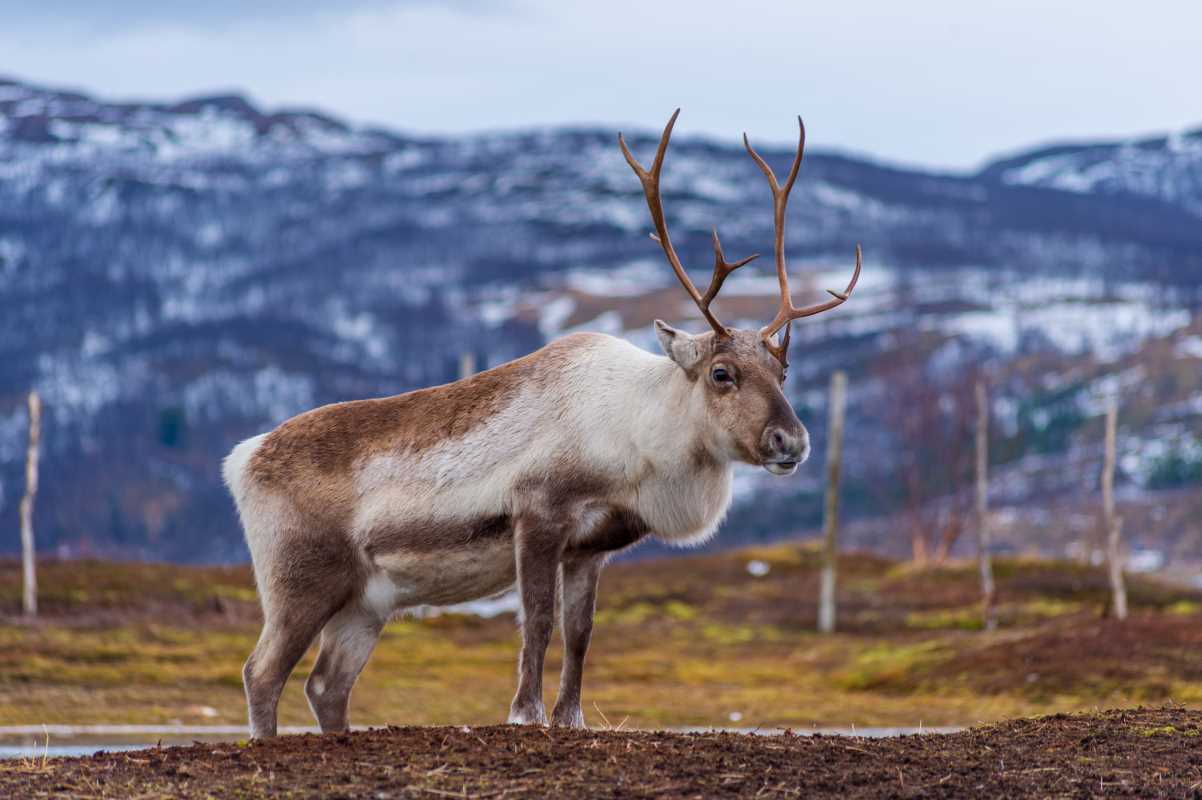
Before we begin exploring these remarkable places, let's clear up a common question: what’s the difference between reindeer and caribou? Both names refer to the same species, Rangifer tarandus. The main difference relates to where they live and how people interact with them.
- Reindeer: This name is used mainly for the herds found in Eurasia, such as in Scandinavia and Siberia. Many in these regions are semi-domesticated. They are herded and cared for by Indigenous groups like the Sámi and Nenets.
- Caribou: In North America, including Canada and Alaska, the animals are known as caribou and live entirely in the wild. They are essential for local Indigenous peoples, who rely on them for many aspects of daily life.
Both are specially adapted to northern climates, featuring hollow hair for insulation and wide, crescent-shaped hooves that help them walk across snow.
Sápmi, Northern Scandinavia: Sámi Traditions and Arctic Herds
Sápmi is the homeland of the Sámi people, spanning northern Norway, Sweden, Finland, and the Kola Peninsula of Russia. Herding is central in Sámi culture and remains a tradition stretching back centuries.
- Habitat and Behavior: In this part of the world, herds travel between various grazing areas as the seasons change. Summers draw them to the mountains and coasts for cooler weather and fresh growth, while winters bring them inland to sheltered forests, where they dig through snow to reach their main food, lichen.
- Cultural Significance: For the Sámi, reindeer hold deep value, shaping their identity, language, and customs. The animals supply food, clothing, and materials for daily life and tools. Herding is a tradition passed down through generations, forming the heart of community life.
- How to Experience It: Travelers can get to know Sámi heritage in places such as Karasjok in Norway or Inari in Finland. Many local guides offer hands-on experiences like sled rides and visits to traditional farms. This is an excellent way to see these animals up close and contribute to local livelihoods.
The Yamal Peninsula, Siberia: Life with the Nenets Nomads
In the expansive and remote tundra of Siberia's Yamal Peninsula, the Nenets people maintain one of the last great nomadic herding ways of life. Visiting this region is like stepping back in time, where traditions have remained much the same for centuries.
- A Massive Migration: The Nenets and their large herds make an epic annual journey, covering more than 1,000 kilometers (over 600 miles). Their route stretches from the southern forests up to the shores of the Arctic Ocean and back, following paths used for generations.
- Life on the Tundra: The Nenets live in traditional conical tents known as chums and depend almost entirely on their animals for a wide range of needs, from travel and clothing to shelter and food.
- A Fragile Existence: This longstanding way of life faces serious challenges from a warming climate and expanding industry, especially natural gas projects in the area. Visiting this region is a rare privilege and should only be done through operators who partner closely with Nenets communities to protect their ancestral traditions.
Alaska, USA: Following the Majestic Herds
In North America, you'll find these remarkable animals living wild and free. Alaska hosts several immense herds, famous for embarking on some of the longest overland migrations of any species on the planet.
- Notable Herds: Alaska is known for the Western Arctic Herd and the Porcupine Caribou Herd, both of which are remarkable for their size and seasonal movements. The Porcupine herd, nearing 200,000 animals, travels impressive distances between calving grounds in the Arctic National Wildlife Refuge and winter ranges that stretch into Canada’s Yukon.
- Why the Migration Matters: These long-distance journeys are crucial for survival, giving the animals access to nourishing food sources and safe birthing areas by the coast where dangers are fewer. Their health and adaptability provide valuable insight into the broader well-being of Arctic habitats.
- Viewing Opportunities: Due to the wild and remote setting, catching a glimpse of these animals on migration can be a challenge. Still, it’s possible to see smaller groups while traversing the Dalton Highway or exploring Denali National Park. For a truly memorable experience, consider a flightseeing trip that offers sweeping views of their migratory paths.
Canada: Wild Herds and Northern Habitats
Canada is home to a variety of these animals, from the barren-ground type found roaming the tundra to those that live among the mountains or deep within the forests. Their adaptability lets them thrive in everything from the open Arctic landscape to the rugged Rockies and dense woodlands.
- Barren-Ground Herds: Much like those in Alaska, these groups roam the expansive tundra regions of the Northwest Territories and Nunavut. They are an essential resource for Indigenous peoples such as the Dene and Inuit.
- Woodland Groups: Found throughout Canada’s boreal forests, these animals often lead a quieter, more solitary existence. Their future is threatened by changing habitats due to logging and industrial growth. The Great Bear Rainforest in British Columbia is one place you might spot them.
- Conservation Efforts: Many of Canada’s populations are decreasing. Ongoing projects focus on protecting vital areas and reducing risks to their survival. Exploring national parks like Kluane in Yukon or Torngat Mountains in Labrador can offer a chance to see them while also supporting preservation efforts.
Svalbard, Norway: The Islands’ Distinctive Herd
A distinctive group of animals makes its home on the remote Arctic archipelago of Svalbard. Compared to their mainland relatives, these creatures are smaller, with shorter legs and a more rounded head.
- Island Adaptation: The Svalbard herds don’t undertake lengthy migrations. Instead, they spend their entire lives on the islands, conserving energy during the harsh winters. These remarkable animals build up fat reserves in the brief summer months to help them through the coldest part of the year.
- Where to See Them: You’ll find Svalbard’s herds grazing in the valleys around Longyearbyen, the main settlement. They are relatively easy to spot and typically not very shy, but it’s important to always observe them respectfully from a distance.
Looking Ahead: Protecting Northern Herds
These northern animals represent both the spirit and resilience of the Arctic, yet their future remains uncertain. Shifting climates, shrinking habitats, and expanding industries are all creating new challenges for wandering herds. Safeguarding their existence also means protecting the untouched wilderness they depend on.
By learning about these remarkable animals and choosing responsible travel experiences, you play a part in their ongoing survival. Whether you’re excited by the idea of gliding across snowy landscapes in Finland or hope to witness wild migrations in Alaska, the unique world of these northern herds is ready to be explored.