(Image via
Svalbard calls to those who crave wilderness at the planet’s edge. This remote cluster of Arctic islands boasts some of the world’s purest natural environments, where shimmering glaciers and steep peaks define the view. Nestled between mainland Norway and the North Pole, Svalbard is about as far-flung as it gets, promising travelers rare encounters with Arctic wildlife. Known for having more polar bears than people, this region offers raw natural spectacle on a grand scale. Explore sweeping ice fields, meandering fjords, and ancient rock formations. Here you’ll unravel the mysteries of a remarkable destination, get to know its memorable animal residents, and understand why thoughtful visitation is key in this delicate part of the world.
Welcome to the High Arctic
The Svalbard chain is administered by Norway and sits firmly inside the Arctic Circle. Its largest island, Spitsbergen, hosts Longyearbyen, the northernmost town on Earth and the main hub for visitors. Vast glaciers cover most of the terrain, and jagged mountains rise where rocky shore meets sea. The striking scenery forms a backdrop for any adventure you choose.
Life unfolds to the rhythm of extraordinary seasons here. Endless daylight transforms the landscape during the midnight sun, which reigns from April until August. This window of constant brightness opens the tundra to bustling plant and animal life rarely seen elsewhere. As the year turns, Svalbard is enveloped by polar night, a period of complete darkness stretching from late October into February. This shadowy time reveals the aurora borealis, dancing in luminous colors overhead.
The Kingdom of the Polar Bear
Few places equal Svalbard in providing opportunities to observe polar bears (Ursus maritimus). An estimated 3,000 of these giant animals roam here. That's more than the area’s population of people. These iconic Arctic mammals are the largest living land carnivores, brilliantly suited to their demanding home.
- Adaptations for Survival: Their thick, insulating fat and water-repellent fur keep out the worst cold. Large paws distribute weight to keep them afloat on snow and ice, while their swimming ability allows long journeys between frozen platforms.
- Hunting and Diet: Polar bears mainly rely on hunting seals, especially bearded and ringed varieties. Their patient, strategic approach to catching prey at breathing holes illustrates their focus and resilience. The sea ice is vital, acting as the foundation for their way of life.
- Conservation Status: These bears are listed as vulnerable. The decline of their ice hunting grounds, a direct result of changing climate conditions, poses the greatest danger. There are strict protections in place to ensure their future in places like Svalbard.
How to See Polar Bears Safely and Responsibly
Spotting a polar bear in the wild leaves a lasting impression. It's an awe-inspiring yet humbling experience. Safety and respect are crucial, as these powerful creatures can be unpredictable. The only recommended way to look for them is with seasoned expedition guides.
Expedition Cruises
Exploring by small, reinforced vessel is the most popular way to uncover Svalbard’s coastal wonders. These ships venture deep into ice-laden waters along rich wildlife corridors.
- Summer Expeditions: Main cruising season lasts May through September. Nature specialists lead talks on board and take groups out by inflatable boats for closer views of cliffs, drifting ice, and local fauna.
- Zodiac Cruising: Inflatable crafts offer access to shallower spots, bringing visitors closer to the action while minimizing disruption. You might see distant bears, lounging walruses, or nesting seabirds.
- Onshore Landings: Guided hikes ashore are sometimes possible when bear activity isn’t detected nearby. Skilled leaders prioritize security, carrying deterrents for protection at all times.
Land-Based Adventures
Venturing beyond Longyearbyen alone is not allowed for safety and legal reasons. Activities led by certified guides, however, open up a world of Arctic adventures.
- Snowmobile Safaris: In winter and early spring, guides lead journeys across wide, frozen valleys by snowmobile. Wildlife sightings come down to good fortune, but the rush of exploration is guaranteed.
- Dog Sledding: Journey by dogsled and experience how people have traveled these frozen reaches for centuries. Steering your own husky team through unspoiled snow creates a special connection to the region.
Other Wildlife Wonders of Svalbard
Alongside its most famous predator, Svalbard supports a lively Arctic ecosystem. Its varied landscapes nurture a host of fascinating animals.
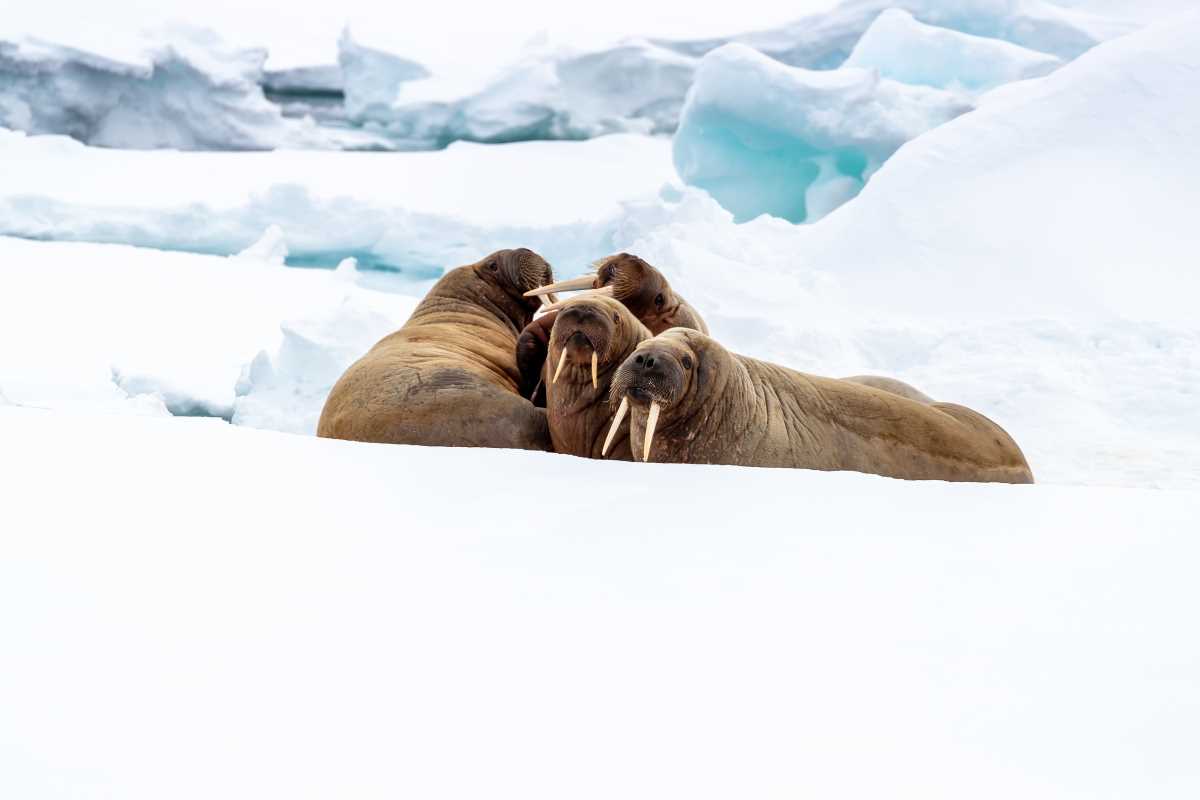
- Walrus: Enormous herds haul out along isolated beaches, where you can hear their calls and admire their striking tusks up close.
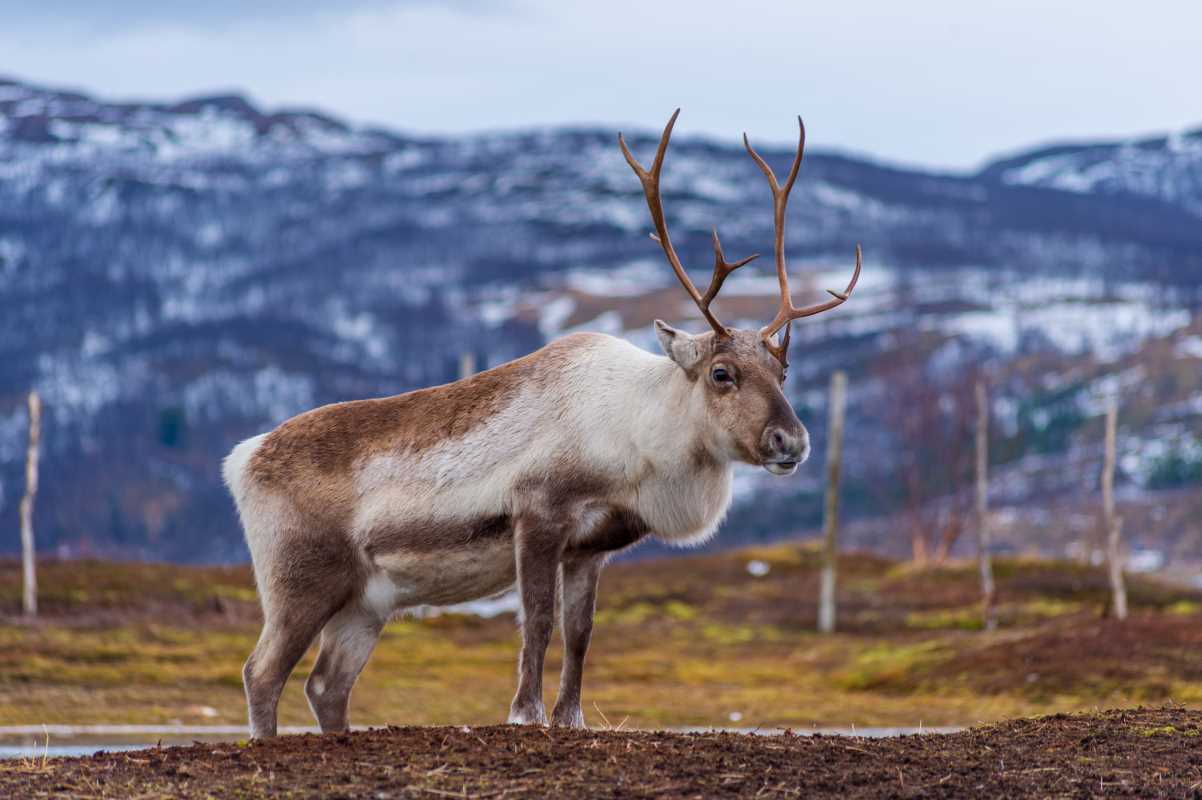
- Reindeer: Unique to the islands, Svalbard’s reindeer are stockier and smaller than others, well-adapted to cold and sparse vegetation.
- Arctic Fox: Quick and resourceful, these foxes turn snow-white in winter and brown in summer, evading both predators and detection with ease.
- Marine Life: Local waters teem with creatures, from seals and belugas to the occasional passing whale. With some luck, you might even witness minke or fin whales breaking the surface.
- Birdwatching: In the summer, dramatic cliffs are alive with colonies of seabirds such as puffins, guillemots, auks, and kittiwakes.
Planning Your Svalbard Expedition
This northern destination rewards those who prepare thoughtfully. Its remoteness and fragile environment make careful planning essential.
- When to Go: Consider your goals before choosing travel dates. Those keen on ice-bear viewing and endless daylight should target May to August. For aurora chasers and snowy escapades, time your journey between October and March.
- Booking Your Trip: Early reservations for guided tours or expedition cruises are strongly recommended. Look for companies known for strong safety standards and respect for the environment.
- What to Pack: Layered clothing is crucial. Pack thermals, warm insulating layers like fleece or down, and shell jackets that block wind and water. Sturdy boots, wool socks, hats, gloves, and sunglasses should also make your list, even in warmer months.
Traveling to Svalbard invites you to experience life ruled by the rhythms of nature. The trip offers a sense of perspective, showing the beauty and vulnerability of a place where wild things roam free. Take the leap and discover awe-inspiring landscapes, hear stories of adaptation and survival, and bring home memories of an extraordinary adventure in the land of the polar bear.