 (Image via
In the remote and sweeping stretches of Alaska, where building conventional highways proves difficult, an ingenious solution arrives each winter: seasonal ice routes. These frozen byways are feats of engineering and act as vital connections for distant villages. For a limited window each year, they provide access between communities that are otherwise reachable only by plane or boat, completely transforming the way people move around. Far from being just sheets of ice, these winter routes are crucial for supplying goods, enabling travel, and sustaining the social and economic fabric of Alaska’s northern residents. Their story is a remarkable example of human determination and adaptability in an environment that demands resilience.
The Foundation of Frozen Highways
These frozen thoroughfares aren’t just water turned solid; they are skillfully engineered routes that appear with the deep cold of winter, weaving over rivers, lakes, and even stretches of sea. Building them requires expertise, careful measurement, and patience. Work only gets underway once the ice reaches the necessary thickness (usually at least one meter) to safely hold heavy vehicles.
The creation process involves several key steps:
- Clearing the path: Snow is plowed from the designated route. Snow acts as an insulator, so removing it allows the cold air to penetrate the ice and thicken it more rapidly.
- Flooding the surface: Water is often pumped from beneath the ice and spread across the surface. This flooding helps to smooth out rough spots and add layers of thickness, strengthening the road.
- Constant maintenance: Crews continuously monitor the ice for thickness and cracks. The roads are regularly graded and flooded to maintain a safe and stable driving surface.
These seasonal routes play a crucial role in moving heavy cargo such as fuel, building supplies, and staple foods to outlying settlements. Relying on trucks instead of airplanes greatly lowers shipping expenses, making these wintry paths an essential part of the economic lifeline for isolated communities.
Lifelines to Remote Communities
Many villages in Alaska rely each year on these temporary winter connections. When the season begins, it’s an eagerly awaited moment, bringing needed items and restoring vital ties with the rest of the state. For these places, a newly opened route is a renewal of opportunity and a reminder that even in isolated regions, links to the outside world are just a drive away.
Utqiaġvik (formerly Barrow) and the North Slope
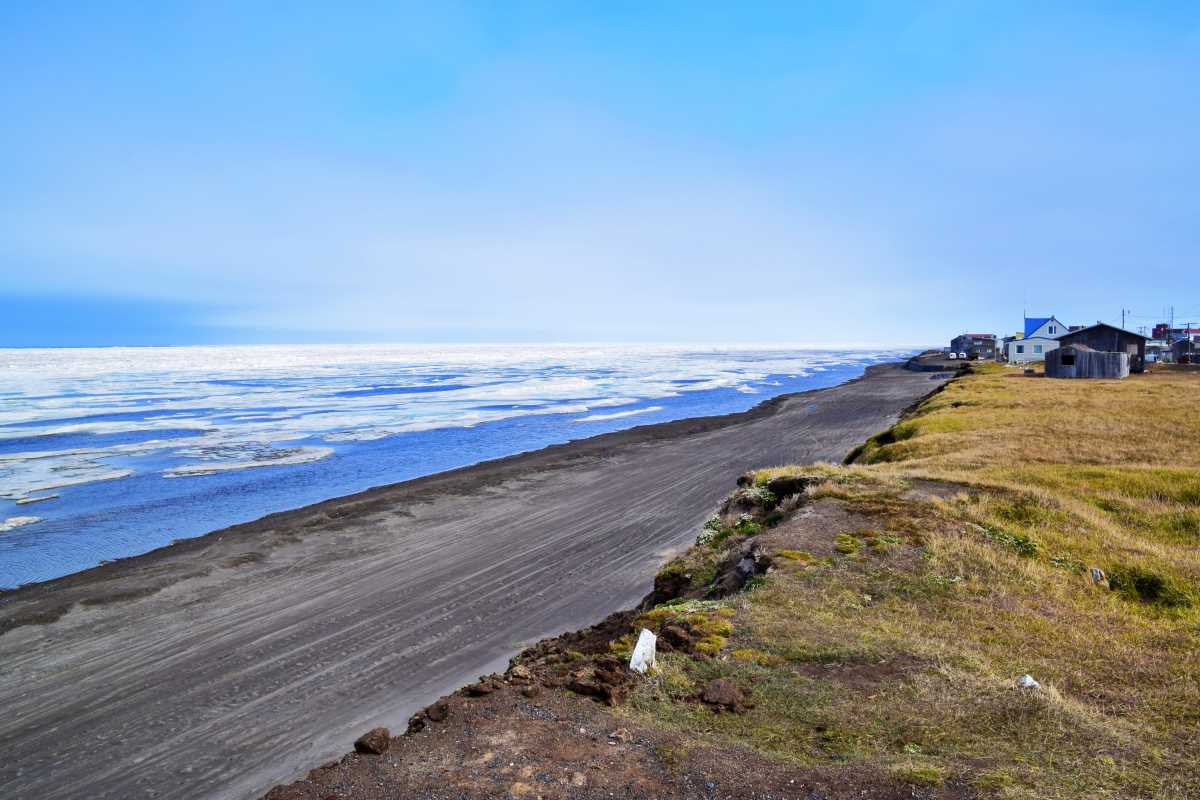
As the northernmost city in the United States, Utqiaġvik acts as a vital hub for the North Slope Borough. It isn’t directly linked to Alaska’s broader road network via ice roads, but relies on local winter routes and trails formed on the sea ice. These seasonal paths are essential for reaching traditional hunting and fishing grounds. The strength and stability of the ice are key for these subsistence journeys, which are central to Iñupiat culture. Changes in climate and thinning ice are increasingly threatening both customary practices and the safety of those who travel these routes.
The Kuskokwim River Ice Road
One of the best-known and longest winter routes in Alaska follows the frozen Kuskokwim River. This seasonal pathway links numerous villages in the sprawling Yukon-Kuskokwim Delta, including the regional hub of Bethel, a city otherwise cut off from the main highway system.
- Community Connection: For several months, the Kuskokwim Ice Road becomes the main street for the region. It allows residents of smaller villages like Aniak, Kwethluk, and Akiak to drive to Bethel for shopping, medical appointments, and social events. It also facilitates inter-village travel for cultural gatherings and sports competitions.
- Economic Impact: The road enables the bulk transport of goods at a fraction of the cost of air travel. Local businesses can stock up on supplies, and individuals can purchase everything from groceries to vehicles, which are driven back over the ice.
- Construction and Maintenance: A dedicated team of local experts, often referred to as "the ice road crew," works tirelessly to build and maintain the road. They use traditional knowledge passed down through generations, combined with modern technology like ground-penetrating radar, to ensure the route is safe.
The Dalton Highway and Prudhoe Bay
Although the Dalton Highway remains a year-round gravel route, its far northern reaches and links to the Prudhoe Bay oil developments often depend on temporary winter infrastructure. In the coldest months, special routes branch from the highway to access remote work sites and logistical hubs across tundra and sea ice. These temporary roads are engineered to support exceptionally heavy vehicles and play a vital role in maintaining Alaska’s major industries. Over time, methods developed for these demanding corridors have influenced winter transportation projects throughout the far north.
Challenges and Benefits of Ice Road Life
Living along these winter routes brings both rewards and genuine hazards. Residents benefit from lower travel expenses, better access to supplies and services, and an increased ability to reach neighboring settlements. This seasonal mobility is vital for people living in outlying areas.
The challenges are formidable, though:
- Safety Risks: Travel on ice roads is inherently dangerous. Overflow (water pushing up through cracks in the ice), weak spots, and sudden changes in weather can create treacherous conditions. Vehicles can break through the ice, and blizzards can cause whiteouts, stranding travelers.
- The Effects of Climate Change: Rising global temperatures are leading to shorter and less predictable ice road seasons. The ice forms later in the fall and melts earlier in the spring, reducing the window for transportation. This unpredictability creates logistical nightmares for communities and businesses that rely on the roads. In some years, roads have been unable to open at all, forcing communities to depend entirely on expensive airlifts.
- Environmental Concerns: The construction and use of ice roads can have an environmental impact. Fuel spills are a constant risk, and the heavy traffic can disturb wildlife. Careful planning and strict regulations are in place to minimize these effects.
Cultural Significance and Community Resilience
Beyond their essential role in daily life, these winter routes carry deep significance for those who rely on them. They reflect modern applications of traditional knowledge about ice and snow. These are skills that have supported Indigenous survival and travel in the Far North for generations. Building these seasonal roads each year is a communal act, bringing people together and strengthening identity rooted in northern heritage.
These seasonal routes support traditional ways of living, granting access to hunting and fishing grounds and reuniting families and friends separated by vast distances. They strengthen bonds among communities and encourage a sense of belonging across the region. The adaptability and creativity of residents shine through as they meet the challenges of their surroundings head-on. By blending inherited skills with modern techniques, people adjust to environmental shifts while continuing to uphold the customs that define life in Alaska’s remote settlements.
Alaska’s seasonal ice routes serve as lifelines in the northern landscape. These pathways make isolated settlements accessible, provide crucial supplies, and bring neighbors together through months of darkness and snow. Their construction and use reflect the creativity and hard work it takes to thrive in such a rugged place. As weather patterns shift and winters change, the reliability of these routes becomes less certain. Still, the residents who rely on them continue to adapt with skill and persistence. The story of these communities is one of resilience, collaboration, and an unwavering spirit that endures against the harshest odds.