 (Image via
Step into the late 1890s, when sensational news of precious metals in the remote northern territory sparked a worldwide rush for gold. This feverish quest for riches drew an estimated 100,000 fortune-seekers to a demanding, untamed wilderness, with each person hoping for a lucky break that would change their life forever. Their incredible, often perilous journey transformed the region, creating bustling boomtowns almost overnight and leaving a lasting, indelible impression on the vast landscape. Today, echoes of their unwavering determination and resilience resonate in the well-preserved historical communities of the North. These places safeguard the adventurous spirit of the past, providing an authentic look into an era defined by bold hopes, immense struggles, and daring ambition.
Dawson City: The Heart of the Klondike
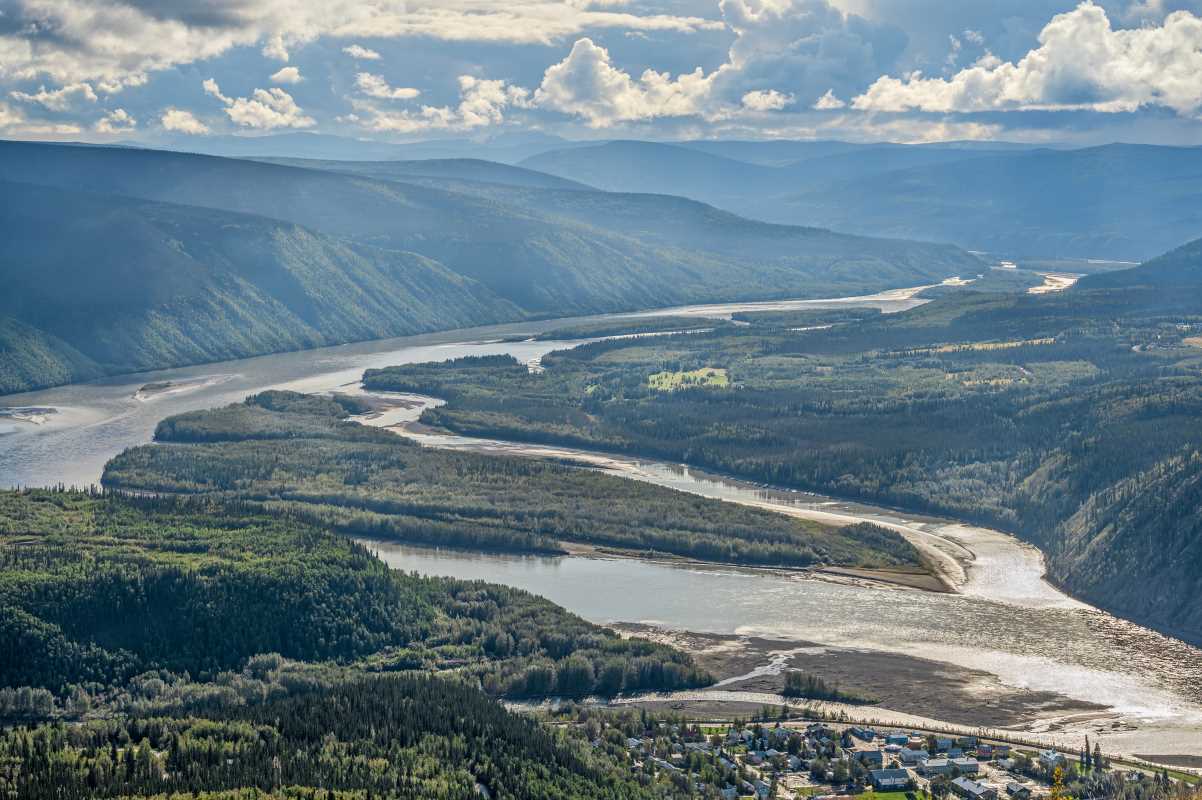
Dawson City stands out as the most storied settlement tied to the Klondike era. Nestled where the Yukon and Klondike Rivers meet, this lively town was once the biggest city west of Winnipeg and north of San Francisco. It served as the center of excitement, a lively point where dreams were made and dashed in equal measure.
A Rich History
Founded in 1896, Dawson City grew explosively. Within two years, its population swelled to 30,000. It was a city of contrasts, with saloons and dance halls operating alongside banks, churches, and the offices of the North-West Mounted Police. Today, Dawson City has beautifully preserved its turn-of-the-century heritage.
Must-See Landmarks
- Diamond Tooth Gertie's Gambling Hall: Experience the gold rush era at Canada’s oldest casino. Enjoy can-can shows, play a hand of poker, and soak in the lively atmosphere that mirrors the town's heyday.
- The SS Keno National Historic Site: This sternwheeler is one of the many riverboats that once plied the Yukon River, serving as a vital link for supplies and transportation. You can tour the restored vessel and learn about its importance.
- Robert Service and Jack London Cabins: Visit the homes of two famous writers who captured the spirit of the Yukon in their work. Their stories and poems offer powerful insights into life during the gold rush.
- What to Do: Walk the wooden boardwalks and admire the historic architecture. You can even try your hand at gold panning at Free Claim #6 on Bonanza Creek. For a stunning view, drive up to the Midnight Dome, which overlooks the city and the surrounding river valleys.
Whitehorse: The Modern Capital with a Golden Past
While Dawson City was the epicenter of the late 1800s frenzy, Whitehorse soon developed into the region’s vital link for transportation. Set along the Yukon River, Whitehorse became the welcome stop for those who braved the daunting climb over the Chilkoot and White Pass trails.
A Gateway to the Goldfields
Stampeders who made it over the coastal mountain passes would arrive in the Whitehorse area to build or buy boats for the final 500-mile journey down the Yukon River to Dawson. The treacherous Miles Canyon and White Horse Rapids just south of the present-day city posed one last major obstacle.
Historic Sites
- SS Klondike National Historic Site: This beautifully restored sternwheeler is the largest of its kind to have navigated the upper Yukon River. A tour of this vessel provides a fantastic look at the history of river transportation in the territory.
- MacBride Museum of Yukon History: This museum offers a comprehensive look at the region's past, from its First Nations heritage to the gold rush and beyond. See artifacts, photographs, and exhibits that bring the stories of the Yukon to life.
Exploring Today
Whitehorse is now the Yukon's bustling capital city, but its gold rush roots are still visible. It serves as the perfect starting point for any Yukon adventure, connecting modern amenities with a rich and accessible history.
Carcross: A Crossroads of History
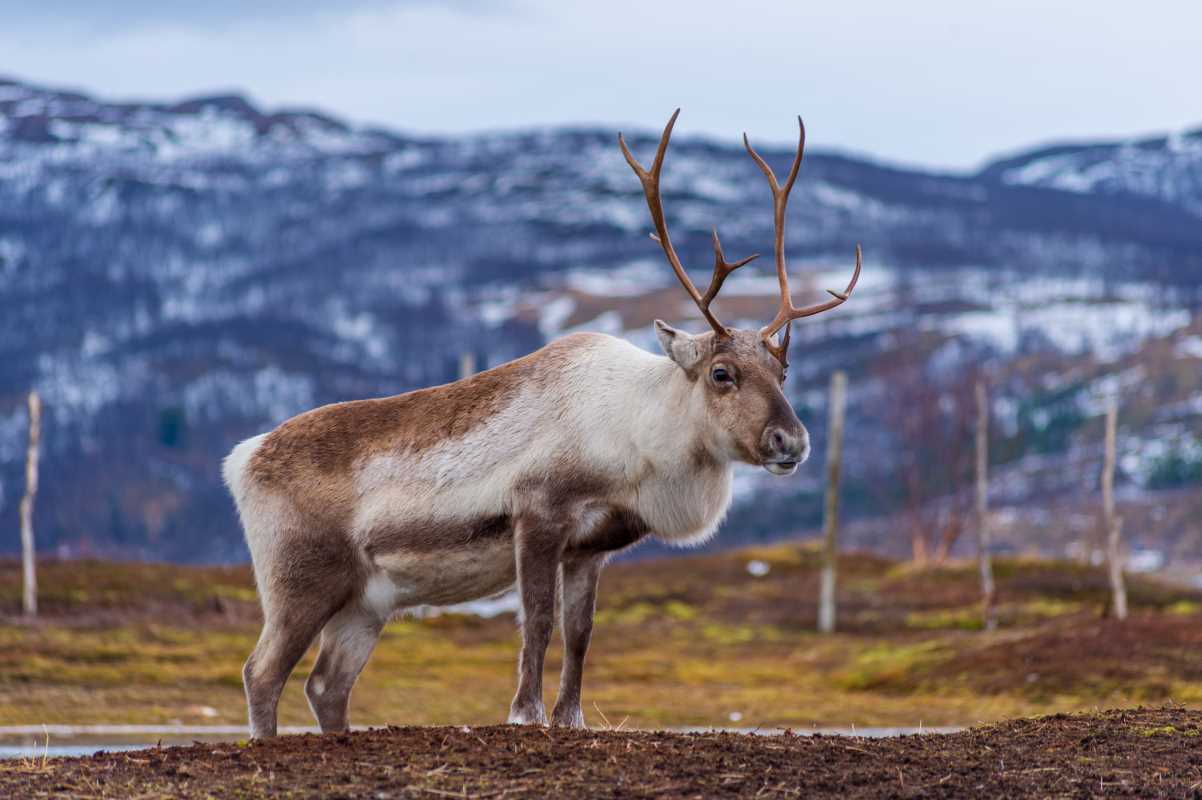
Carcross, once called Caribou Crossing, sits on a narrow strip between Bennett Lake and Nares Lake. Its name was inspired by the herds of caribou that used to migrate through the area. This settlement became a key stop for those following the Chilkoot Trail in search of new opportunities.
The End of the Trail
For prospectors who endured the grueling trek over the Chilkoot Pass, the shores of nearby Bennett Lake were a welcome sight. It was here that thousands of stampeders set up a massive tent city, cutting down timber to build boats for the river journey to Dawson.
Landmarks and Attractions
- Carcross Commons: This beautifully designed area features shops, cafes, and art galleries showcasing the work of local Carcross/Tagish First Nations artists. It’s a wonderful place to learn about the region's deep Indigenous culture.
- White Pass & Yukon Route Railway: This narrow-gauge railway, built during the gold rush, connects Carcross to Skagway, Alaska. A ride on this historic train offers breathtaking views and a direct link to the past.
- Carcross Desert: Often called the world's smallest desert, this unique landscape of sand dunes was formed by a glacial lake thousands of years ago. It’s a surprising and beautiful sight in the middle of the Yukon wilderness.
Mayo and Keno City: The Silver Lining
While the chase for gold made the Klondike region legendary, nearby Mayo and Keno areas rose to prominence thanks to a significant silver rush in the early 1900s. These two communities share a distinctive, intriguing place in the territory’s mining story.
- A Different Kind of Rush: Prospectors who fanned out from the Klondike discovered rich deposits of silver and lead ore in the hills around Mayo and Keno. This led to a new mining boom that lasted for decades.
- Keno City Mining Museum: This quirky and fascinating museum is packed with artifacts, photographs, and machinery from the silver mining era. It provides an authentic glimpse into the lives of the miners who worked in this remote area.
- What to Do: Drive the scenic Silver Trail highway from Stewart Crossing to Mayo and Keno. Explore the historic mining sites and enjoy the quiet, authentic atmosphere of these small, off-the-beaten-path communities.
Yukon's towns are vibrant time capsules, each offering a window into the dramatic days of the late 1800s and the excitement that followed. Here, stories from the past echo in every wooden walkway and along the winding rivers. Visiting these places immerses you in the energy and resilience of the dreamers, Indigenous communities, and trailblazers who built this remarkable region. Pack your bags and prepare to experience the Yukon’s adventurous past up close.