 (Image via
Deciding between visiting the Arctic or Antarctica is an exciting adventure in itself. Both destinations promise unforgettable experiences, from breathtaking ice landscapes and unique wildlife to the thrill of exploring some of the most remote corners of the Earth. While the two regions share certain similarities, they each offer distinct adventures, atmospheres, and opportunities for discovery. The Arctic, with its rich indigenous cultures and iconic polar bears, contrasts with Antarctica’s pristine, untouched wilderness and vast penguin colonies. This guide will help you compare key aspects like landscapes, wildlife, activities, and travel logistics. Whether you're drawn to the top of the world or the bottom, this guide will help you decide which destination aligns with your travel style and sense of wonder. Ready to dive in?
Landscape: The South’s White Continent vs. the North’s Icy Ocean
The main distinction between these two regions comes from their geography. This influences everything from what you’ll see to the style of adventure you’ll experience.
Antarctica: Exploring the Frozen Continent
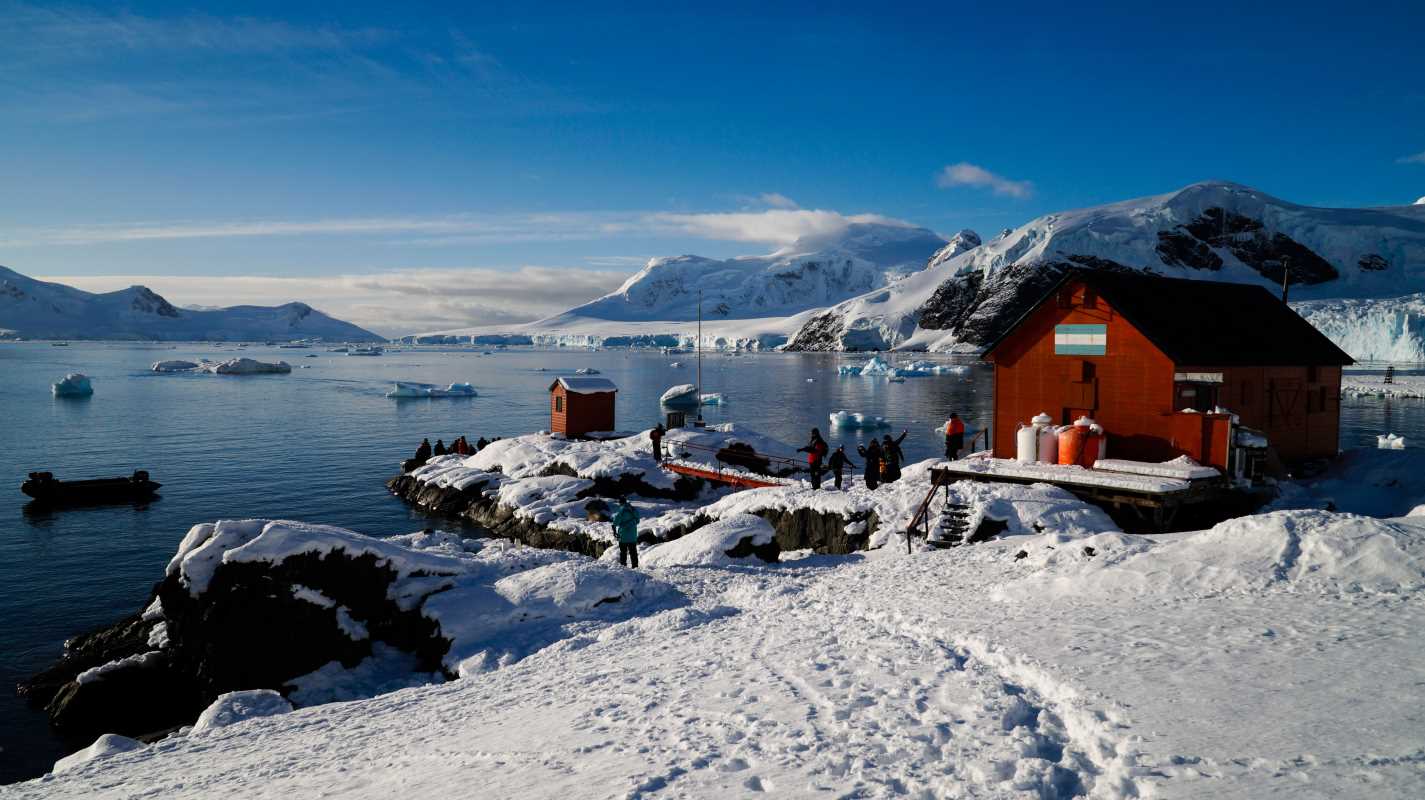
Antarctica is an immense landmass (spanning a greater area than both the United States and Mexico together) blanketed by a thick, permanent layer of ice that can reach depths of up to three miles. When you journey here, you’re setting foot on the world’s seventh continent.
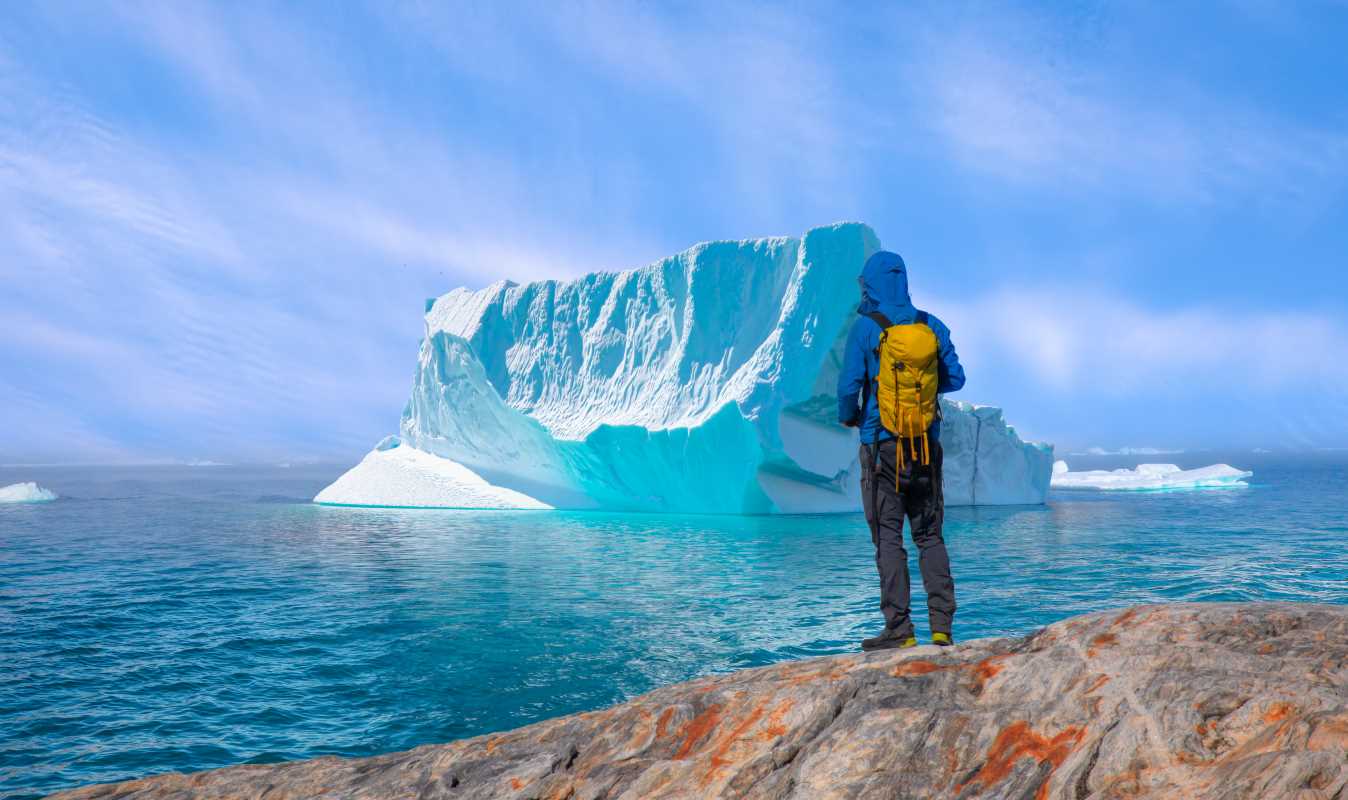
- Scenery: Expect breathtaking vistas where icy formations dominate. Immense icebergs, soaring glaciers, and dramatic snowy peaks rise from the water, leaving a lasting impression. The sweeping views feature bold contrasts of white snow, deep blue ice, and dark stone.
- Experience: Visiting feels like a true voyage into untouched nature. Since the area is a single continent, the adventure centers on a remote wilderness found nowhere else.
The Arctic: Immense Ice and Unique Northern Landscapes
The Arctic isn’t a continent, but rather a frozen sea (the Arctic Ocean) bordered by the northern regions of Greenland, Canada, Norway (Svalbard), and Russia.
- Scenery: The Arctic reveals a striking diversity in what you’ll see. Depending on your route, you might encounter the dramatic, sharp peaks and deep fjords of Greenland, the rugged tundra of Svalbard, or the lush, sweeping hills of the Canadian north in summer. You can expect to spot expansive glaciers, along with colorful tundra dotted with wildflowers.
- Experience: Traveling here means exploring a blend of cultures and terrains. You’ll visit inhabited areas and discover traces of past and present life, from ancient Norse sites to thriving research communities.
Wildlife Highlights: Penguins and Polar Bears
This is often the main deciding factor for travelers. Here’s a simple rule: penguins live in the south and polar bears roam the north. These two iconic animals never cross paths in the wild.
Wildlife in Antarctica
Antarctica stands out for its sheer abundance of fearless animals. Wildlife here is truly remarkable and plentiful.
- Key Sightings: Get ready for penguins! You will see hundreds of thousands of them, with species like Gentoo, Chinstrap, and Adélie nesting in massive colonies. You can also spot several kinds of seals (Weddell, crabeater, leopard) and whales (humpback, minke, orca).
- Viewing Experience: Animals have no natural predators on land, so they are incredibly curious and approachable. It’s not uncommon for a penguin to waddle right over your boots or for a seal to nap right next to your Zodiac boat.
Wildlife Encounters in the Arctic
The Arctic boasts impressive wildlife known as the "Arctic Big Five," though finding these remarkable animals can take some patience. Creatures are scattered across vast distances, making each sighting more rewarding.
- Key Species: The polar bear is the star of the region, known as the world’s largest land carnivore. You may also spot walruses, reindeer, arctic foxes, musk oxen, and a range of whales such as belugas and narwhals. Bird enthusiasts will enjoy vast colonies of puffins, guillemots, and other seabirds nesting along rocky cliffs.
- Viewing Experience: Observing animals here is a bit like a wildlife treasure hunt. Guests spend time searching distant ice and tundra, often using binoculars. Witnessing a polar bear make its way across the ice is an awe-inspiring and memorable event.
Experiences On Board and Ashore
Both places promise thrilling experiences, though what you do during your trip may vary a bit.
Activities in Antarctica
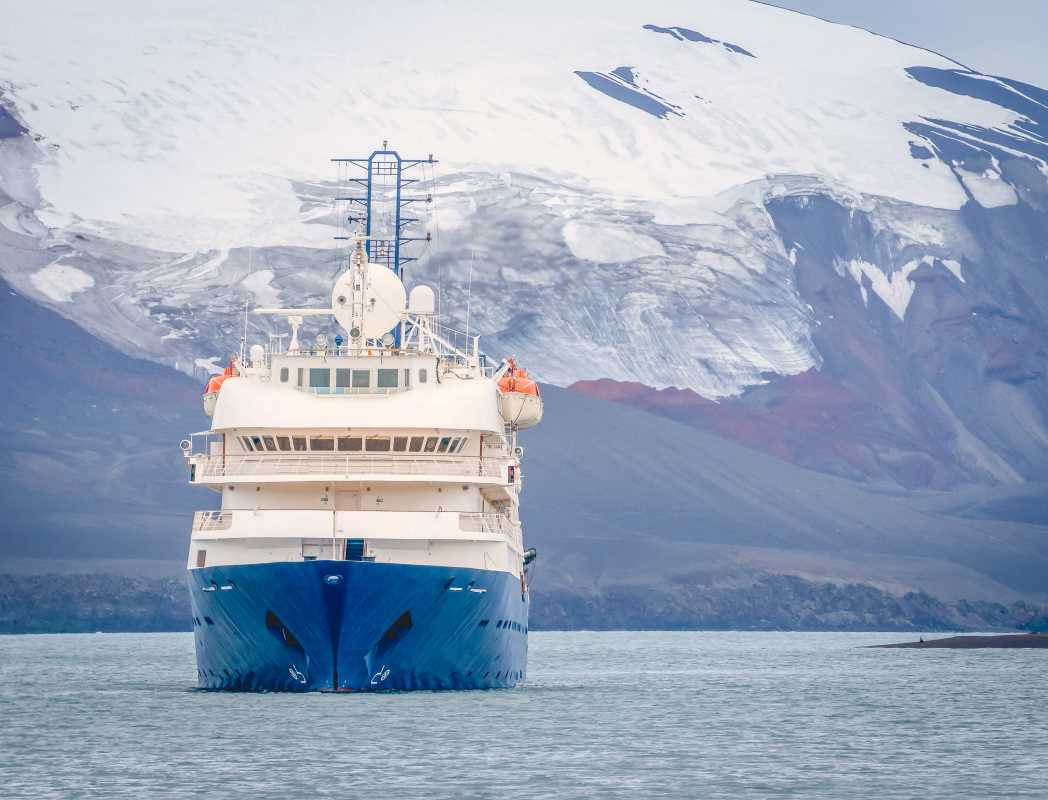
- Zodiac Cruising: Much of your time is spent exploring icy bays and weaving among towering icebergs on nimble inflatable boats.
- Shore Landings: You'll disembark to wander through bustling penguin colonies and visit active research outposts.
- Adventure Options: Many trips feature optional experiences like paddling a kayak, trekking on snowshoes, and even a brisk “polar plunge” (a quick dip in the frigid southern seas)! Some itineraries also include mountaineering or cross-country skiing.
Adventures in the Arctic
- Hiking: Thanks to more exposed land in summer, exploring on foot is a key highlight. Outings can range from easy strolls over tundra to rewarding climbs that reveal stunning vistas.
- Cultural Experiences: Meet local communities in Greenland or Canada, or tour Svalbard’s towns to discover daily living in the far north.
- Wildlife Spotting: Many activities focus on searching for iconic animals from the ship or during Zodiac rides along the shore.
Logistics: Travel, Access, and Pricing
How you reach the far north or south, and what you'll spend to get there, makes a big difference when planning your trip.
Getting to Antarctica
- Main Gateway: Ushuaia, Argentina, at the continent’s southern edge. Most visitors first fly into Buenos Aires, then continue south to Ushuaia to join their ship.
- The Drake Passage: To reach the Antarctic Peninsula, travelers cross the legendary Drake Passage. This stretch of sea can be quite turbulent, with rough conditions that last around two days. Many see it as a rite of passage. For a gentler experience, some higher-end voyages offer flights, letting guests skip the crossing altogether.
- Cost and Season: Due to its isolated location and challenging travel, prices are on the higher side. The window for visiting spans November to March, the local summer months.
Exploring the Arctic Region
- Multiple Gateways: Getting to the Arctic is easier, with several starting points such as Longyearbyen (Svalbard, Norway), Kangerlussuaq (Greenland), and various ports in Canada and Iceland. Flights to these locations are often less expensive and more direct from both North America and Europe.
- Calmer Waters: No need to cross anything like the Drake Passage. Most sailings take place in protected coastal areas or fjords, so the trips tend to be smoother.
- Trip Price and Season: Journeys in the Arctic generally cost less. The best time to travel is from May through September, which is the local summer.
Deciding on Your Ideal Polar Adventure
So, how do you decide? Here’s a quick overview to steer you in the right direction.
Pick Antarctica if:
- You dream of being surrounded by bustling penguin colonies.
- You want the unique experience of stepping onto the seventh continent.
- You’re fascinated by colossal icebergs and endless frozen landscapes.
- You’re eager for a real journey, including the adventure of crossing the Drake Passage.
Choose the Arctic if:
- Spotting polar bears in their wild home tops your wish list.
- You're drawn to a range of northern scenery, from icy stretches to lush summer meadows.
- Exploring by foot, with scenic hikes and walks, is important to you.
- Stories of northern communities and rich cultural heritage spark your interest.
- You want a trip that's easier to reach and possibly more budget-friendly.
Whichever direction you set out for, you’re in for an adventure that will leave a lasting impression. Exploring either the far north or the frozen south opens the door to some of the world’s rawest, most powerful, and breathtaking sights. Start planning your journey to the ends of the Earth and prepare for memories you’ll treasure forever.