 (Image via
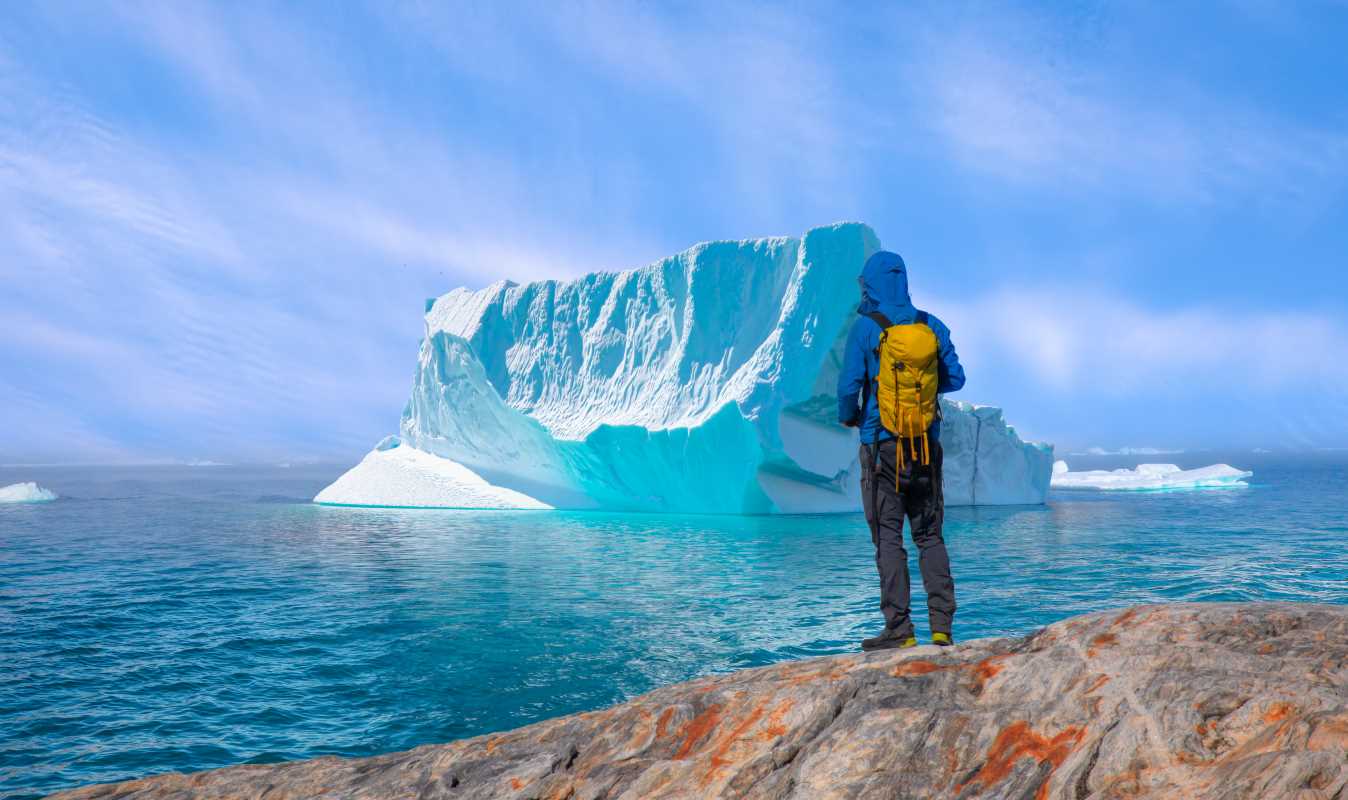
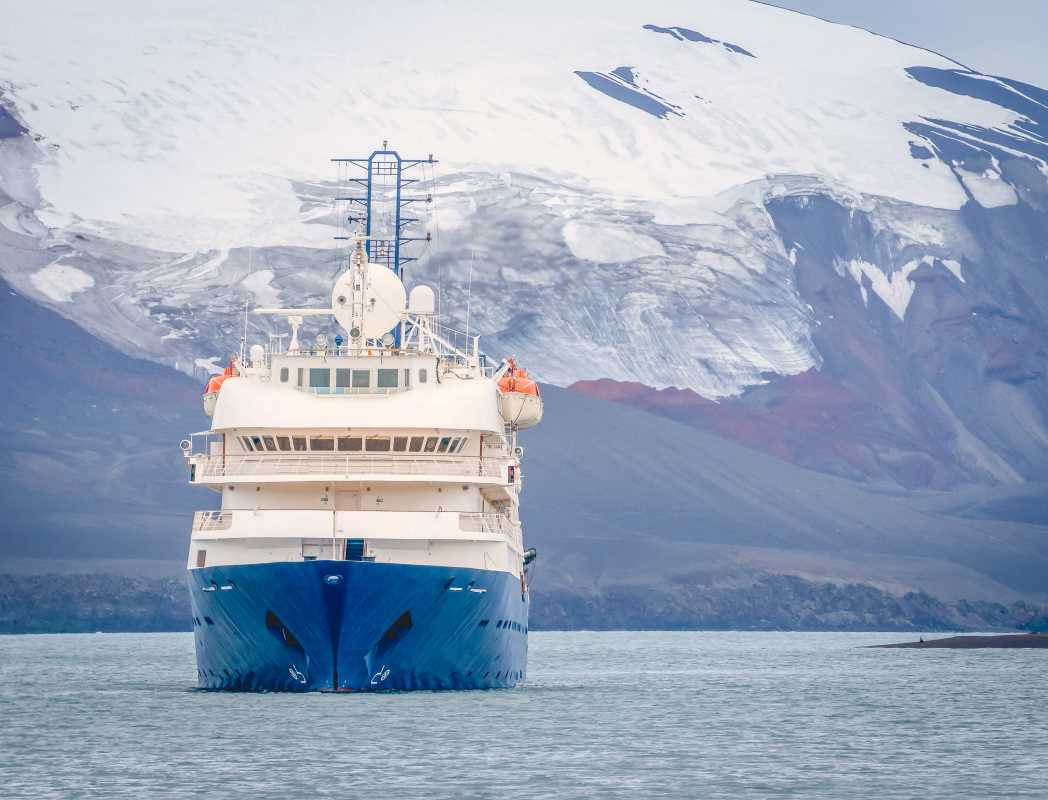
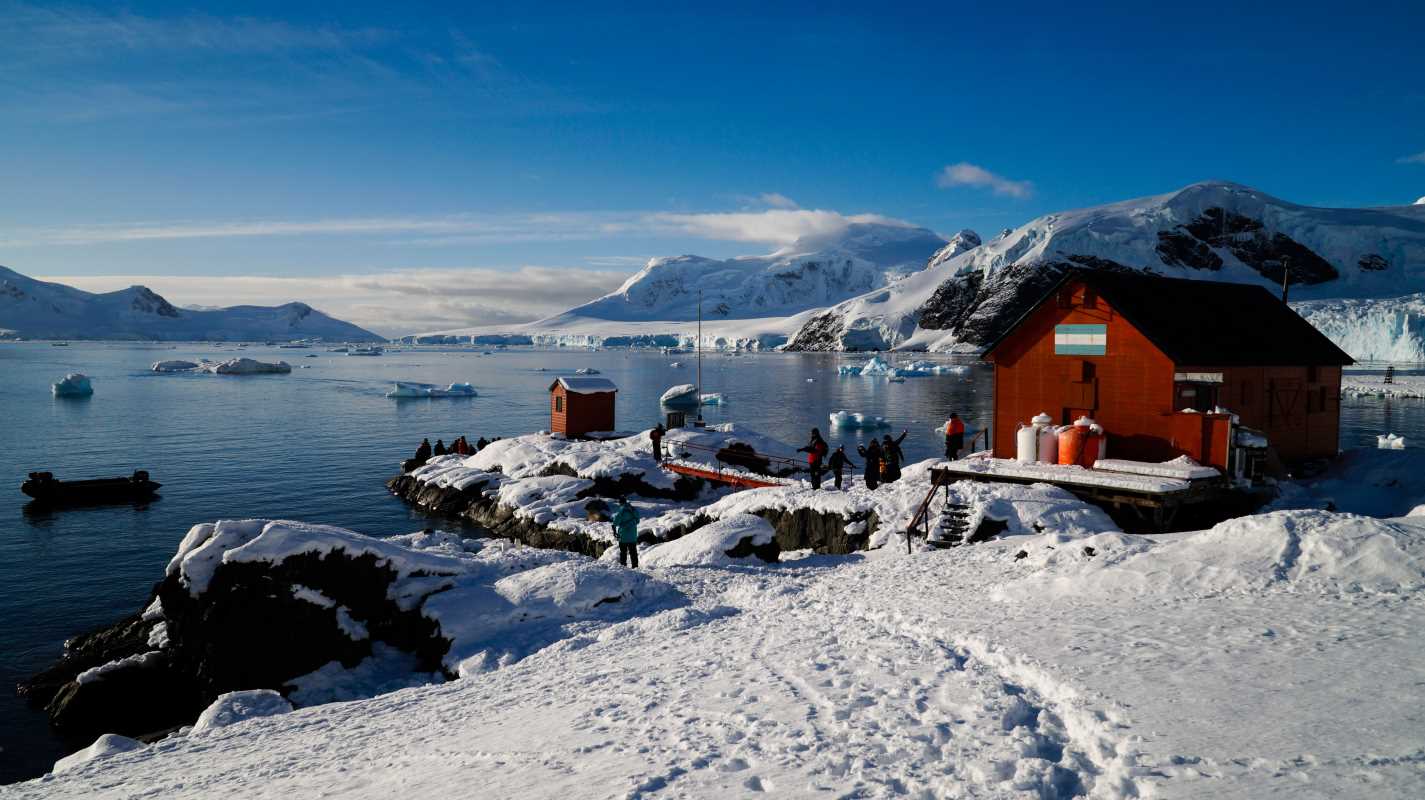
Setting sail to chilly destinations like the Arctic or Antarctica is an extraordinary journey, offering a unique opportunity to witness breathtaking ice scenery, encounter remarkable wildlife, and marvel at untouched, frozen vistas. To truly enjoy every moment of this incredible voyage, choosing the right clothing and essentials is absolutely vital. Without proper preparation, the severe cold can quickly dampen the entire experience, preventing you from fully immersing yourself in the adventure. That’s why we’ve assembled this all-in-one packing guide just for you. Inside, you'll discover how smart layering works, which specific gear offers the most comfort and protection, and what personal items you shouldn’t leave behind. With a little thoughtful planning, you'll stay warm, dry, and comfortable.
The Foundation: Understanding the Layering System
The trick to keeping warm in very cold places is using several well-planned clothing layers. Dressing this way helps trap heat, keeps you comfortable, and lets you adjust easily as activities or the weather shift. Imagine it as a simple, personal way to regulate your own temperature and stay cozy all day long.
A good layering approach for cold climates includes three essential components:
- Base Layer: This is the layer directly against your skin. Its job is to wick moisture and sweat away from your body to keep you dry. Look for materials like merino wool or synthetic fabrics (polyester, polypropylene). Avoid cotton at all costs, as it absorbs moisture and will make you feel cold and damp.
- Mid-Layer: This is your insulation layer. It goes over your base layer and is designed to trap body heat. Fleece jackets, down vests, or wool sweaters are perfect mid-layers. You can even wear more than one mid-layer on particularly cold days.
- Outer Layer (Shell): This is your protection from the elements. Your outer layer must be both waterproof and windproof. A high-quality jacket and pants will shield you from snow, rain, and biting winds, keeping your inner layers dry and effective.
The Essential Clothing Checklist
Now that you know how layering works, let’s get specific about what to bring. Most trips to polar destinations encourage comfortable, practical attire rather than dressing up. Focus on clothes and gear that will help you relax and enjoy your experience, ensuring you stay cozy during whatever activities or weather you encounter along the way.
Onboard Your Ship
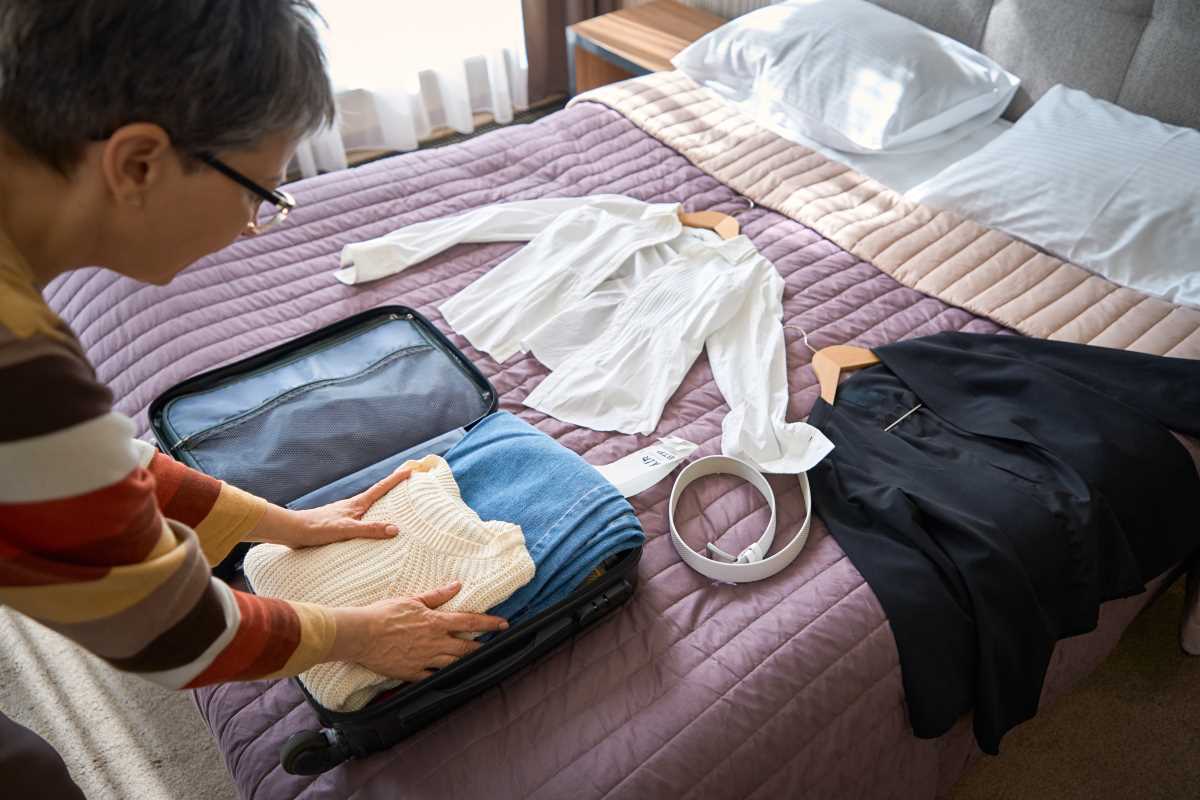
Life onboard is relaxed and cozy, thanks to steady temperatures. Opt for simple, easygoing outfits during your time inside the ship.
- Tops: Long-sleeved shirts, sweaters, and comfortable t-shirts.
- Bottoms: Jeans, casual pants, or comfortable trousers.
- Footwear: Comfortable shoes or slippers with non-slip soles for walking around the ship.
- Dinner Attire: Most expedition cruises are informal. A few smart-casual outfits (like a nice sweater or collared shirt) are usually sufficient for evening meals. Check with your cruise line, as some may have a "Captain's Dinner" that is slightly more formal.
For Shore Excursions
This is where your specialized outerwear becomes essential. You’ll often board small boats for excursions to shore, so wearing fully waterproof layers is a must.
Tops
- Thermal Base Layers (2-3 sets): Long-sleeved tops made of merino wool or synthetics.
- Fleece or Wool Mid-Layers (2): A mix of fleece jackets or wool sweaters gives you options.
- Waterproof/Windproof Jacket (1): This is your most important piece of outerwear. Look for a jacket with a hood. Some cruise lines provide one, so check before you buy.
Bottoms
- Thermal Base Layers (2 sets): Long johns made from the same materials as your tops.
- Fleece-Lined Pants or Hiking Pants (1-2 pairs): To wear over your base layer.
- Waterproof/Windproof Pants (1 pair): These are essential for keeping you dry during Zodiac cruises and landings. They should be roomy enough to fit over your other pants.
Footwear
- Waterproof Insulated Boots: Knee-high rubber boots (often called Muck boots or Wellington boots) are required for wet landings. Many expedition companies provide these for you. Confirm with your operator to save luggage space.
- Wool or Synthetic Socks (5-7 pairs): Bring more pairs than you think you need. Thick, warm socks are crucial for keeping your feet warm.
- Sock Liners (optional): Thin liner socks can add extra warmth and help prevent blisters.
Must-Have Accessories and Gear
Choosing the right accessories has a big impact on your overall comfort and experience. Since heat escapes most quickly from your head, hands, and feet, keeping these areas covered ensures you stay warm throughout your journey.
For Warmth and Protection
- Warm Hat: A fleece-lined or wool beanie that covers your ears is essential. You lose a significant amount of body heat through your head.
- Gloves and Mittens: Bring two pairs. A thin pair of liner gloves allows you to operate your camera, while a thick, waterproof pair of mittens goes over them for maximum warmth. Mittens are generally warmer than gloves because they keep your fingers together.
- Neck Gaiter or Scarf: A neck gaiter (or buff) is often more practical than a scarf, as it won’t unravel and can be pulled up over your face for extra protection from the wind.
Essential Gear for Exploration
- Binoculars: A good pair of binoculars is a must! They will bring distant wildlife, like whales or polar bears, up close. A magnification of 8x42 or 10x42 is a great choice for wildlife viewing.
- Dry Bag: A small, waterproof dry bag is perfect for protecting your camera, phone, and other electronics during Zodiac cruises and landings.
- Sunglasses and Sunscreen: The sun can be surprisingly strong in polar regions, reflecting off the snow and ice. Pack high-SPF, broad-spectrum sunscreen and UV-protective sunglasses to prevent sunburn and snow blindness.
- Camera and Extra Batteries: The cold drains batteries quickly. Keep your extra batteries in an inside pocket, close to your body heat, to keep them charged longer.
Personal and Miscellaneous Items
Remember the little comforts! These extra items will help you stay relaxed and make your journey much smoother.
- Medication: Pack any prescription medications in your carry-on bag, along with a basic first-aid kit containing pain relievers, bandages, and seasickness medication.
- Moisturizer and Lip Balm: The cold, dry air can be harsh on your skin. A good moisturizer and SPF lip balm are essential.
- Reusable Water Bottle: Staying hydrated is important. Most ships have filtered water stations where you can refill your bottle.
- Swimsuit: Many expedition ships have a hot tub, sauna, or even offer the chance for a "polar plunge." Pack a swimsuit just in case you feel brave!
- Portable Charger/Power Bank: This is useful for charging your phone or camera while on the go.
Getting ready for a journey in colder regions is all about using smart layering and choosing weather-resistant gear. If you plan your wardrobe around mix-and-match pieces and select outerwear that keeps out wind and wet, you’ll be ready for any adventure that comes your way. Be sure to confirm what equipment your tour company supplies, jot down everything you need, and organize your things for maximum efficiency. With well-thought-out bags, you can climb aboard knowing you’re set to enjoy every moment in some of the planet’s most remarkable frozen settings.