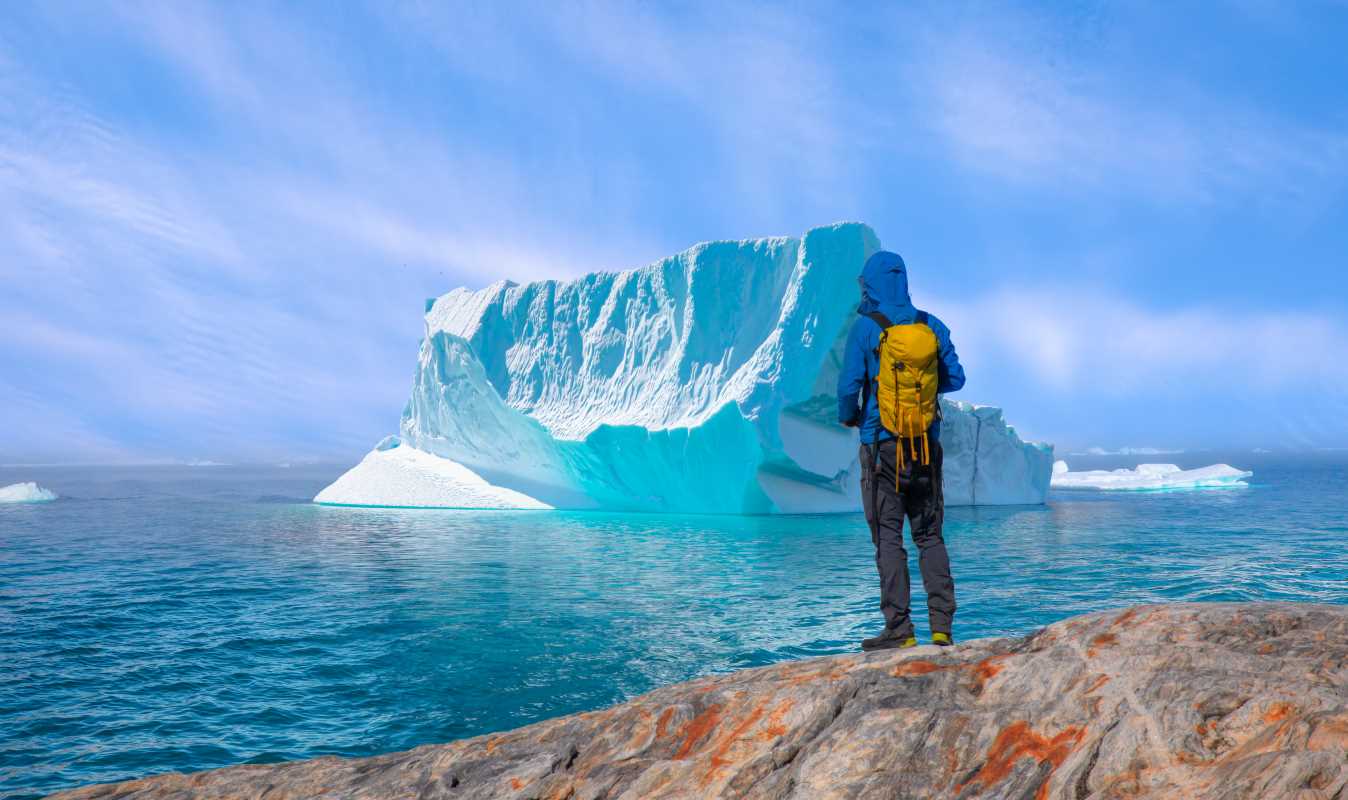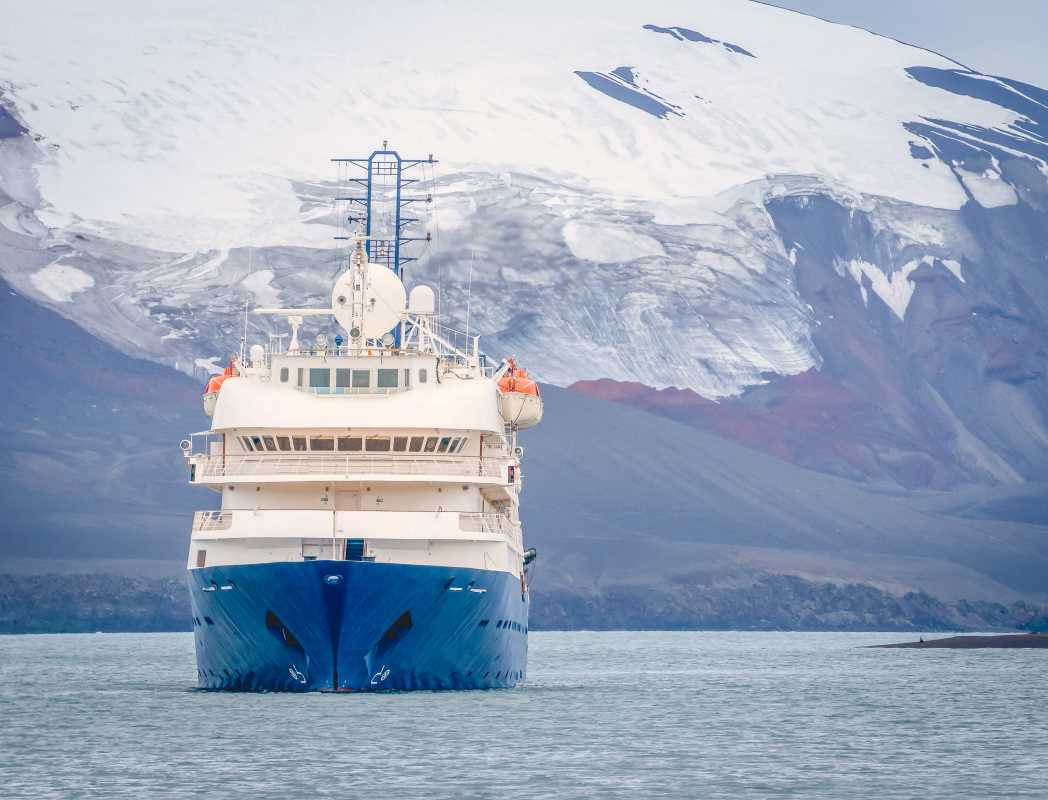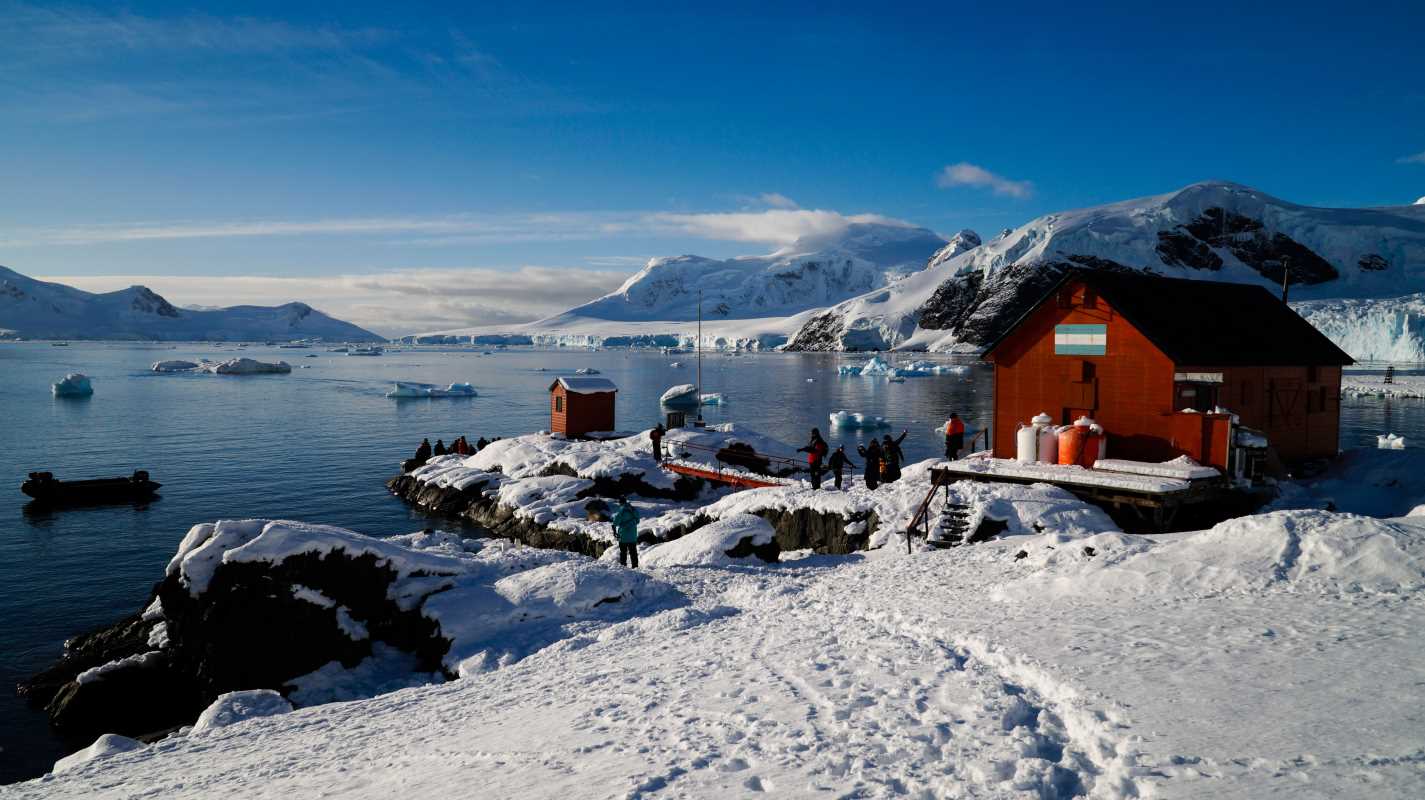
Setting off on a cruise toward the far north or south of the globe is truly a once-in-a-lifetime experience. These epic voyages carry you through some of the most untouched landscapes on Earth, featuring towering ice formations, fascinating creatures, and awe-inspiring frozen scenery. As you look forward to this remarkable journey, one of your most crucial preparations is getting appropriate travel insurance. While it might not seem as thrilling as planning excursions, it’s vital. Cruise companies almost always make it a requirement, and for good reason. Insurance acts as your protective shield in places where the unexpected is always possible. This guide shares important advice to help you pick coverage that fits your needs and lets you focus on exploring with confidence.
Why is Insurance for a Polar Cruise So Important?
Traveling to Antarctica or the high Arctic is not your typical getaway. You'll journey to some of the planet’s most remote regions, far away from advanced hospitals or clinics. Weather can shift without warning, creating fast-changing situations. That’s why every expedition cruise company insists on specific travel coverage before boarding.
This step is fundamental for your well-being and peace of mind on a remote journey. Unexpected health issues in the polar regions can bring enormous costs, with rescues often running into six figures. Typical health policies from home usually won’t come close to covering these expenses. That’s why a plan designed specifically for remote expedition travel is so important: it safeguards you against steep bills and travel hiccups unique to the far reaches of the globe.
Key Coverage Areas to Look For
Browsing available plans, you'll notice a wide range of options. For this kind of expedition, it’s wise to pay close attention to coverage details that matter most in remote places. Rather than opting for a standard option, seek out a policy that’s built for adventure travel.
1. Emergency Medical and Evacuation
This section of your plan is especially important. Onboard healthcare is limited to basic care, so if a major health issue occurs, evacuation to a proper hospital (often in South America for Antarctic journeys) is required.
- Medical Evacuation: Your policy must cover emergency medical evacuation. Most cruise operators, like Poseidon Expeditions, require a minimum coverage of $200,000 per person. This covers the cost of getting you from the ship to a suitable medical facility. Given the high costs, a policy with even higher limits provides better peace of mind.
- Medical Expenses: This covers your treatment costs once you arrive at the hospital. Simple operations can exceed $10,000, so ensure your policy has a high limit for medical expenses abroad.
- Repatriation: This covers the cost of getting you back to your home country after you have received initial treatment. This is often a separate benefit from evacuation, so confirm that your policy includes it.
2. Trip Cancellation and Interruption
Trips to the polar regions require a considerable financial outlay. Having protection that covers cancellations and interruptions ensures your expenses are safeguarded if you need to change your plans for an eligible reason.
- Trip Cancellation: This reimburses your non-refundable trip costs if you have to cancel before you depart. Covered reasons often include illness, injury, or a family emergency. Look for a policy that covers the full cost of your cruise, flights, and other pre-paid arrangements.
- Trip Interruption: This covers you if you have to cut your trip short and return home unexpectedly. It can also help if your trip is delayed. For example, rough seas in the Drake Passage could force a ship to turn back, and this coverage could help with associated costs. A standard policy may offer around $5,000 for trip interruption.
3. Trip Delays and Missed Connections
Getting to ports such as Ushuaia in Argentina usually means coordinating several connecting flights, so unexpected delays can occur along the way.
- Trip Delay: This coverage helps with costs for meals and accommodation if your flight is delayed. Policies often cover up to $500 for trip delays, but a higher limit is better for polar travel.
- Missed Connection: This helps you "catch up" to your cruise if a delay causes you to miss your ship's departure. This is especially valuable for fly-cruise itineraries where a specific connecting flight is essential.
4. Baggage and Personal Effects
You’ll want to bring insulated clothing, sturdy footwear, and perhaps high-value electronics like a camera or binoculars. Double-check that your plan includes adequate protection for everything you take along.
- Baggage Loss/Theft: A standard policy might cover around $1,000 for lost luggage. If your gear is worth more, you may need to look for a policy with higher limits or a separate gadget insurance plan.
- Baggage Delay: This provides funds to buy essential items if your bags are delayed, so you aren't left without warm clothes at the start of your trip.
Covering Your Adventure Activities
Exploring on a polar voyage means each day brings something new and exciting. Expect plenty of Zodiac rides, landings on remote shores to see animals up close, and guided hikes with your expedition team. A solid insurance plan should cover these core experiences as part of your overall protection.
You’ll also find some ships offer extra, adrenaline-pumping experiences for an added charge. Examples are:
- Sea kayaking
- Overnight camping on the ice
- Mountaineering or ski touring
- Snowshoeing
- Scuba diving
Insurers usually consider these extra activities "adventure sports." As a result, you might need to upgrade your protection or choose a plan specifically tailored for such pursuits. Always review the list of included activities to confirm that your itinerary is fully covered. For any uncertainties, ask the provider for written confirmation to avoid surprises later.
How to Choose the Right Policy
With a good sense of what matters most, you’re ready to search for a policy that fits your expedition. Use these tips to help you compare your options and make the best choice.
- Read the Fine Print: Always read the full policy wording before you buy. Pay close attention to the coverage limits, exclusions, and the requirements for making a claim.
- Check Geographical Coverage: Ensure your policy specifically covers the polar regions (Antarctica or the Arctic) and any gateway countries you will visit, such as Argentina, Chile, or Iceland.
- Ask Your Cruise Operator: Confirm the minimum insurance requirements with your cruise operator. They will provide a specific dollar amount needed for medical evacuation.
- Buy Insurance Early: Purchase your policy as soon as you book your trip. This ensures your trip cancellation coverage begins immediately, protecting your investment from the start.
- Declare Pre-existing Conditions: Be honest about any pre-existing medical conditions. Failing to do so could void your coverage when you need it most.
Selecting the right coverage is one of the most important preparations you’ll make for an expedition to the far north or south. Investing time to choose a policy that suits the specific challenges and activities of these journeys lets you set off with true peace of mind. Looking after both yourself and your plans protects the excitement and investment that comes with such a memorable trip. Whether it’s drifting past Antarctic ice giants or setting foot on Arctic shores, you’re sure to encounter sights and moments that will stay with you forever.