 (Image via
Exploring the Antarctic Peninsula by cruise offers a window into extraordinary environments, where vast ice formations, rugged terrains, and thriving animal life come together. This voyage takes travelers to one of the world’s most remote regions, where massive glaciers tumble into the ocean and vibrant bird colonies dot the landscape. Each dawn offers fresh moments of setting foot on isolated shores or gliding between sculpted icebergs in a Zodiac. Expedition teams adjust plans based on daily conditions, so every trip reveals its own set of wonders. The following guide spotlights some of the most awe-inspiring and memorable locations along this fabled route. Prepare to visit bustling wildlife hotspots, tranquil bays, and sites steeped in scientific history, all promising unforgettable moments throughout your journey.
The Nature of an Expedition Itinerary
Traveling by expedition ship is defined by flexibility and discovery. Unlike traditional cruises with set schedules, days in this region follow the rhythm of shifting weather and shifting sea ice. The captain and expedition leader make real-time decisions, selecting landing spots that offer both safe access and exceptional chances to observe wildlife. This adaptive approach is designed with both safety and unforgettable experiences in mind.
A typical day includes two outings, such as a landing onshore and an excursion by Zodiac. To enhance the sense of solitude, ships plan their visits so only one group arrives at a given site at any time. Because weather and ice can shift plans, reaching specific locations is never certain, but the stops described below frequently rank among the most rewarding experiences on the journey.
The South Shetland Islands: Your First Taste of Antarctica
Roughly 600 miles south of South America, the South Shetland Islands are usually the first destination reached after crossing the Drake Passage. This group of eleven main islands offers travelers an exciting first glimpse into the icy wilderness of the far south.
Deception Island
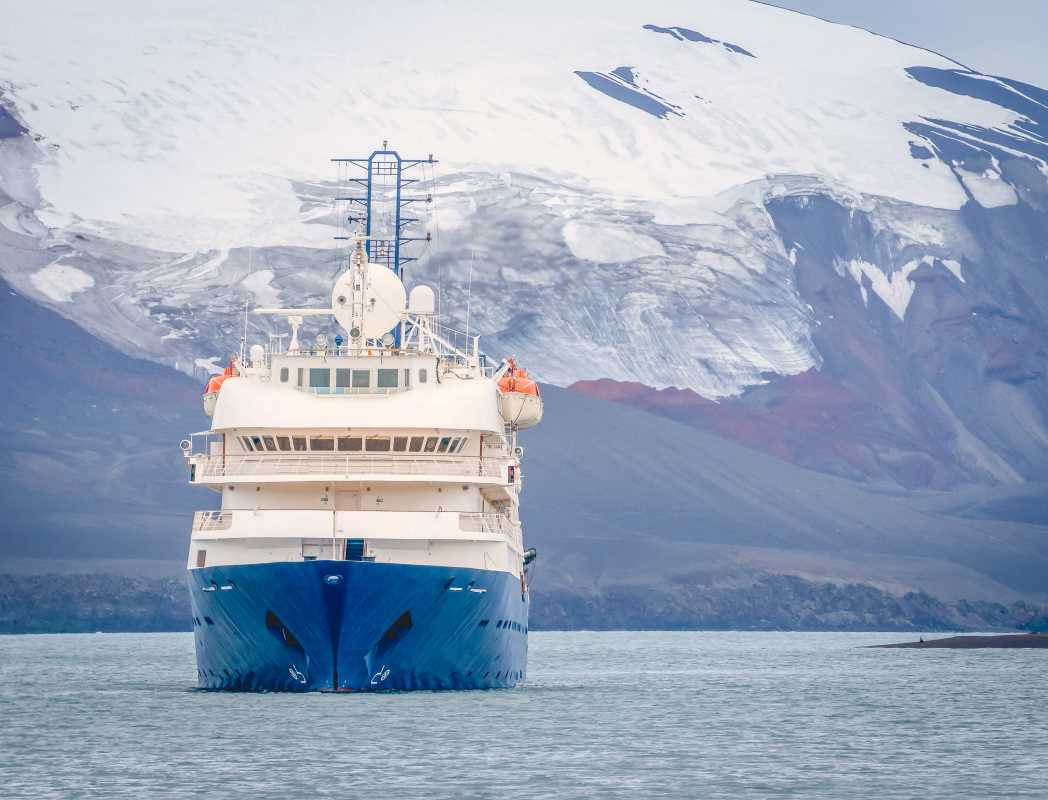
Deception Island stands out as one of Antarctica’s most unusual destinations. This active volcanic island features a vast, water-filled crater that shelters a natural harbor. Expedition vessels can actually navigate through Neptune's Bellows, a narrow gap in the caldera rim, taking guests right into the volcano’s heart.
- What You’ll See: The island’s black volcanic sand beaches create a striking contrast with the surrounding ice and snow. You can often see steam rising from the water's edge due to geothermal activity. The island is home to a large chinstrap penguin colony and the haunting remains of an old whaling station.
- Activities: A popular activity here is the "polar plunge," where brave travelers take a quick dip in the geothermally-warmed (but still icy) waters.
King George Island
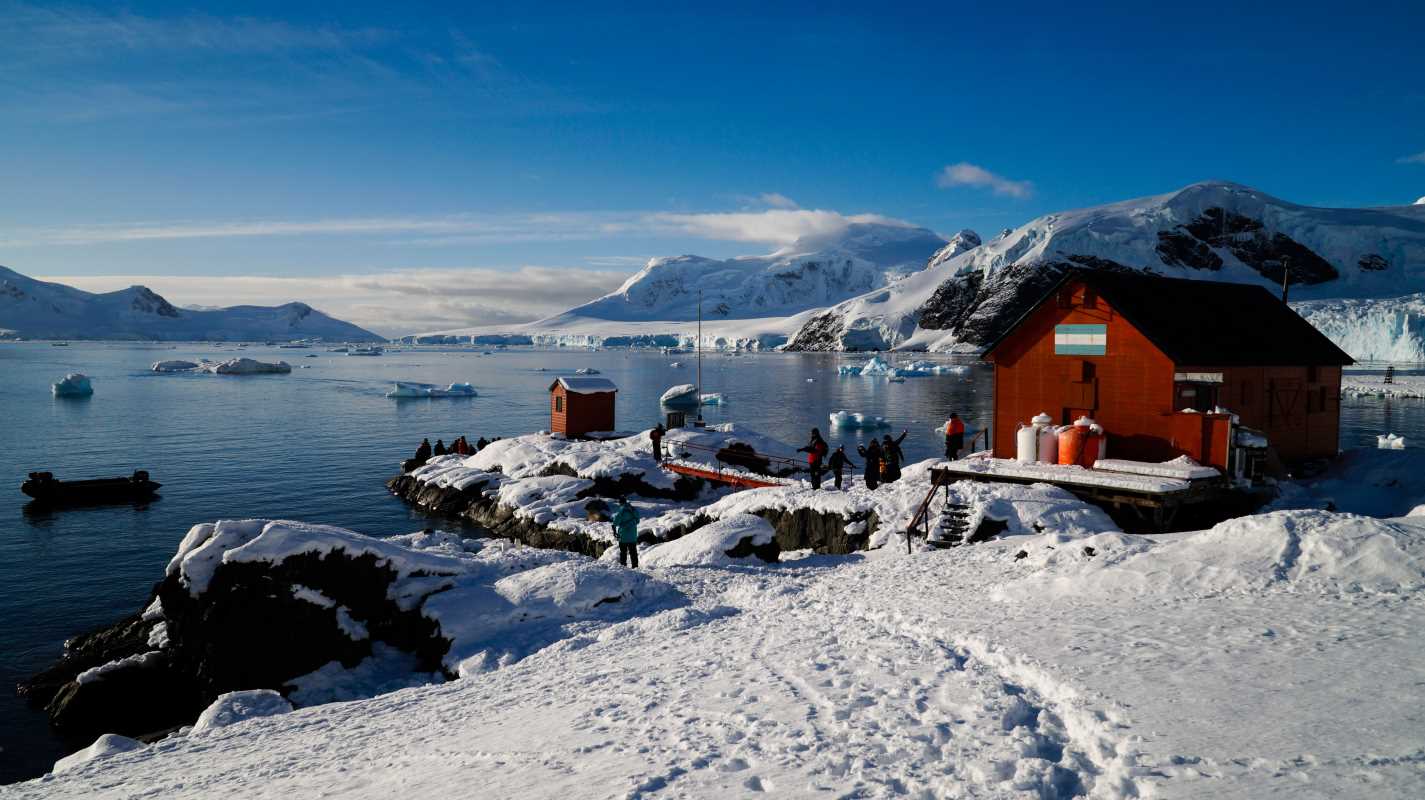
Often viewed as Antarctica’s logistical hub, King George Island features the highest concentration of international research bases on the continent. Visitors gain insight into the scientific work and diverse cultures represented in this isolated setting.
- Wildlife: The island hosts colonies of chinstrap, gentoo, and Adélie penguins. Southern elephant seals also haul out on its shores.
- Fly-Cruise Option: For those who wish to skip the Drake Passage crossing, King George Island is the destination for fly-cruise itineraries. You can fly from Punta Arenas, Chile, and board your expedition ship here.
The Antarctic Peninsula: Heart of the Adventure
This region features a rugged spine of mountains stretching north toward South America. Along its western side, travelers discover calm inlets, narrow waterways, and a collection of remote islands, each offering striking vistas and a wealth of animal life. The combination of dramatic landscapes and abundant fauna makes each visit a visual feast and an invitation to explore further.
Neko Harbour
This dramatic cove grants one of the best chances for travelers to stand on the actual continent, delivering a true sense of arrival in this remarkable landscape. The setting is nothing short of spectacular.
- Landscapes: Neko Harbour is surrounded by towering peaks and massive glaciers that calve directly into the bay. The sound of cracking ice is a constant reminder of the dynamic environment.
- Wildlife: A large gentoo penguin colony resides here, with penguins busily making their way between the sea and their nests. You may also spot Weddell seals lounging on the cobblestone beach.
Paradise Bay (Paradise Harbour)
Living up to its inviting name, Paradise Bay ranks among the most visually stunning destinations in this region. Tranquil, sheltered waters brim with floating ice in a variety of shapes, mirroring the striking peaks that rise in the distance and creating scenes that seem almost otherworldly.
- Scenery: The bay is a photographer's dream, offering breathtaking panoramic views. The water is often so still that it creates perfect mirror-like reflections.
- Wildlife: This area is excellent for spotting whales, particularly humpbacks and minke whales. Zodiac cruises here offer a chance to get closer to the icebergs and any marine life.
The Lemaire Channel
Often called the “Kodak Gap,” this is among the most celebrated and photogenic waterways on the continent. The passage stretches for 11 kilometers, winding through steep cliffs that rise dramatically on both sides.
- The Experience: Navigating through the Lemaire Channel is a highlight for many. The ship glides through calm waters, often scattered with icebergs, while passengers gather on deck to take in the sublime beauty.
- Conditions: Passage through the channel is dependent on ice conditions. Sometimes, icebergs can block the way, forcing the ship to turn around.
Port Lockroy
Those interested in heritage sites will appreciate a stop at Port Lockroy on Wiencke Island. Originally built as a British research outpost, it’s now carefully restored and serves visitors as both a museum and a working post office during the Antarctic summer.
- The "Penguin Post Office": Managed by the UK Antarctic Heritage Trust, this is the southernmost public post office in the world. You can send a postcard home from Antarctica, a truly unique souvenir.
- History and Wildlife: The museum offers a glimpse into the life of early researchers on the continent. The base is also surrounded by a large colony of gentoo penguins, who have become quite accustomed to human visitors.
Wilhelmina Bay
Fondly known as “Whale-mina Bay,” this broad, striking inlet is among the prime spots along the route for observing marine giants. The nutrient-rich waters are a seasonal gathering place for large groups of humpbacks, especially as the months progress.
- Whale Watching: It is not uncommon to see multiple pods of humpbacks feeding, breaching, and fluke-slapping in the bay.
- Activities: The calm waters make Wilhelmina Bay a fantastic spot for Zodiac cruising and sea kayaking, allowing for peaceful and intimate encounters with whales and icebergs.
Cuverville Island
Cuverville Island is celebrated for its thriving gentoo penguin population, making it essential for anyone eager to see Antarctic wildlife up close. The landscape features a steep, rocky dome rising from the waters of the tranquil Errera Channel.
- Penguins Everywhere: Thousands of gentoo penguins nest on the slopes of the island. You can watch them waddle along their "penguin highways" from their nests down to the sea to feed.
- Scenery: The island offers fantastic views of the surrounding icebergs and mountains of the Gerlache Strait.
Sailing these southern waters delivers encounters and vistas found nowhere else. At each site, travelers are greeted with breathtaking scenery, glimpses into human exploration, and remarkable displays of animal life. Because conditions shape every journey, each day brings a sense of discovery and wonder. Let your senses open to the mesmerizing spectacle of ice and wildlife. This voyage grants you stories and impressions that will stay vibrant in memory long after you’ve returned home.