 (Image via
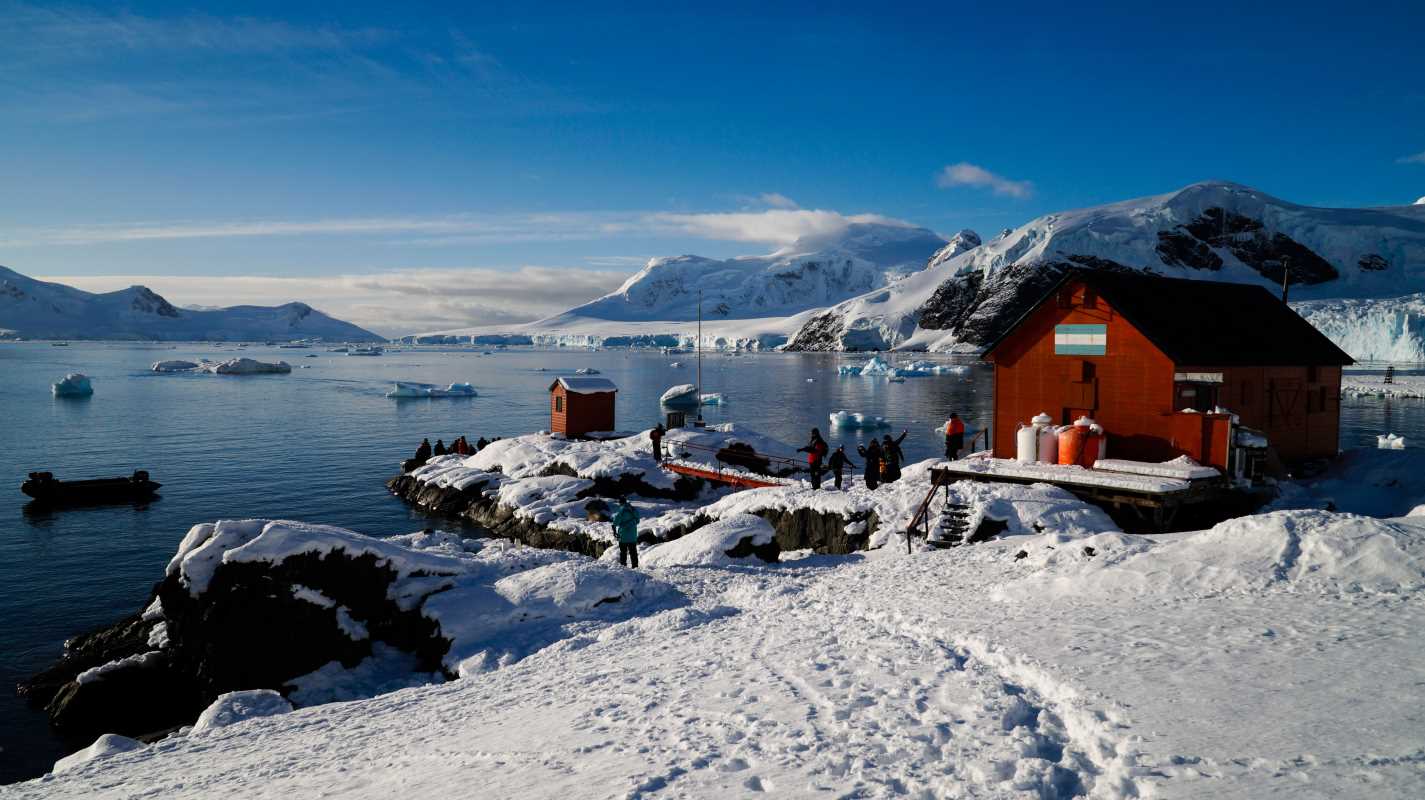
Embarking on a journey to the far north is a truly unique and transformative experience. Imagine yourself gliding past dramatic fjords carved by ancient glaciers, spotting polar bears roaming in their natural habitat, and immersing yourself in the rich traditions of remote northern communities. For first-time visitors, this adventure offers breathtaking scenery, from the snowy reaches of Svalbard to the rugged, untamed shores of Greenland. It’s a rare chance to witness towering icebergs, extraordinary wildlife, and striking landscapes that few people have the privilege of seeing in person. With thoughtful planning and a spirit of adventure, your dream of exploring the far north can become an unforgettable reality, filled with moments that will stay with you forever.
Understanding Your Arctic Destination
This northern region stretches across a vast expanse, so your first big decision is where to focus your adventure. Each area stands out for its own reasons, making it important to consider what excites you most, whether it’s wildlife, cultural discoveries, or legendary exploration routes.
Svalbard, Norway: The Realm of the Polar Bear
If seeing polar bears tops your wish list, consider Svalbard. This group of Norwegian islands sits high in the Arctic and is renowned for having one of the densest populations of these incredible animals, making close encounters more likely than almost anywhere else in the region.
- What to Expect: Besides polar bears, you can spot walruses, reindeer, Arctic foxes, and various seabirds. The landscape features glaciers, dramatic fjords, and stark, frozen tundra.
- Best For: Wildlife enthusiasts and those looking for a classic Arctic experience with a shorter travel time.
Greenland: Icebergs and Inuit Culture
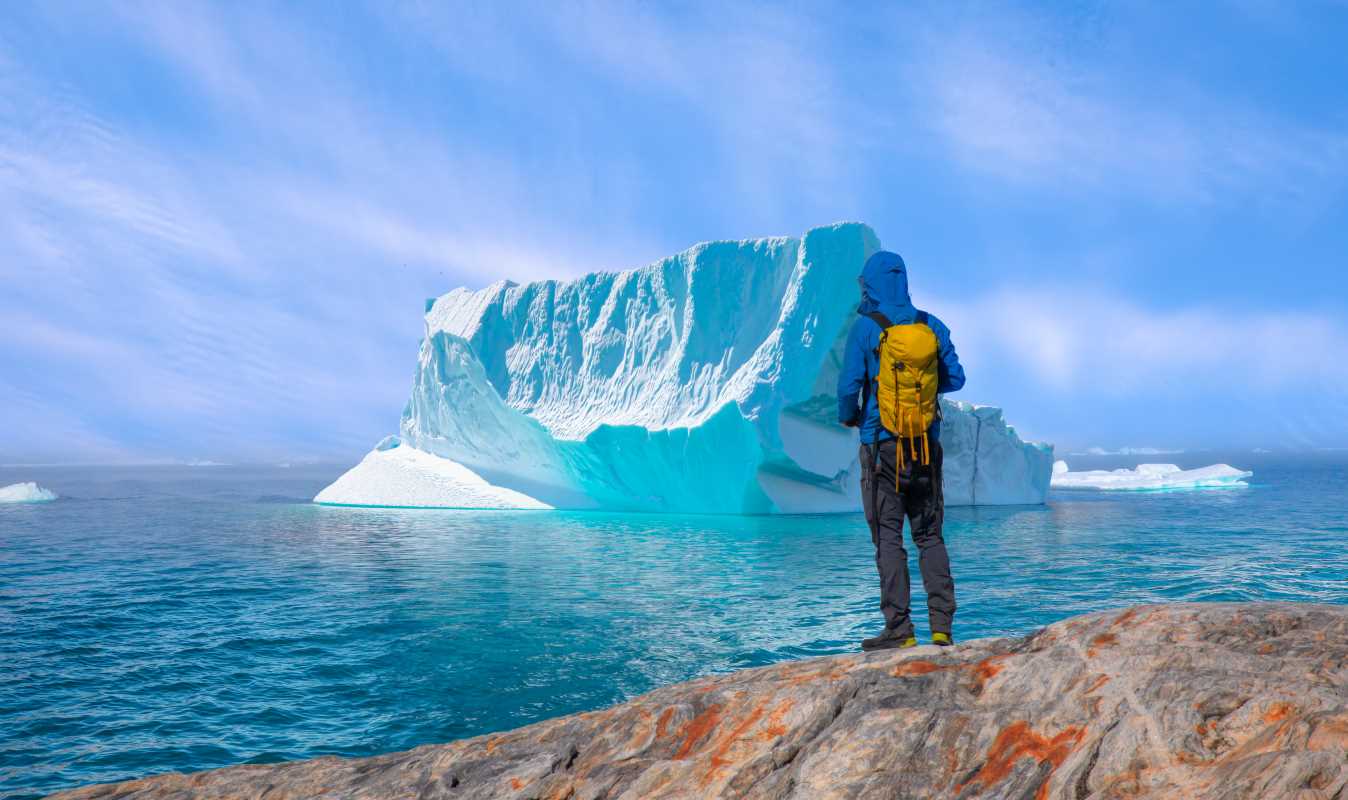
Greenland, the world’s largest island, offers travelers incredible sights like endless fields of ice and meaningful opportunities to learn about local traditions. Many itineraries highlight either the eastern or western regions.
- What to Expect: The west coast is known for its relatively milder climate and more numerous settlements, providing opportunities to interact with Inuit communities. The east coast is more remote and wild, offering spectacular views of massive icebergs and a greater chance of spotting wildlife like beluga and bowhead whales.
- Best For: Travelers interested in cultural immersion, dramatic ice scenery, and hiking across unique landscapes.
The Northwest Passage: A Legendary Voyage
For those drawn to adventure, traversing the Northwest Passage is a truly remarkable undertaking. This legendary waterway weaves through the Canadian Arctic Archipelago, linking the Atlantic and Pacific.
- What to Expect: This is a longer, more unpredictable expedition where ice conditions dictate the route. You can see incredible wildlife, including narwhals and bowhead whales, and visit historic sites related to early European explorers.
- Best For: History buffs and seasoned adventurers seeking a challenging and deeply rewarding expedition.
When Is the Best Time to Go?
Most voyages to the far north take place between May and September, when the retreat of sea ice allows ships to travel safely. The ideal period for your journey depends on what you hope to experience.
- May: A great time to see pack ice and spot polar bear cubs in Svalbard.
- June to August: This is the peak season. You’ll experience the midnight sun, with 24 hours of daylight, which is ideal for wildlife viewing and excursions. Wildlife is abundant, and the tundra is often dotted with Arctic wildflowers.
- September: As the days get shorter, you have a better chance of seeing the Northern Lights (aurora borealis). Some migratory birds and whales may have already started to head south, though.
Packing for the Arctic: Essentials for Your Trip
Packing thoughtfully is essential to ensure you stay warm and protected in changing conditions. Layering is the smartest approach for maintaining comfort and adapting to the weather.
- Base Layer: Thermal underwear made from merino wool or synthetic materials to wick moisture away from your skin.
- Mid Layer: Fleece or down jackets to provide insulation and trap warmth.
- Outer Layer: A waterproof and windproof jacket and pants are essential. Many expedition companies provide a complimentary parka that you can keep.
- Footwear: Insulated, waterproof boots are a must for landings. These are often called muck boots.
- Accessories: Don’t forget a warm hat, gloves or mittens, a neck gaiter or scarf, and thick wool socks.
- Other Essentials: Sunglasses and sun-screen are surprisingly important due to the reflective glare from snow and ice. A reusable water bottle, binoculars for wildlife spotting, and a camera with extra batteries are also highly recommended.
Choosing the Right Expedition Ship
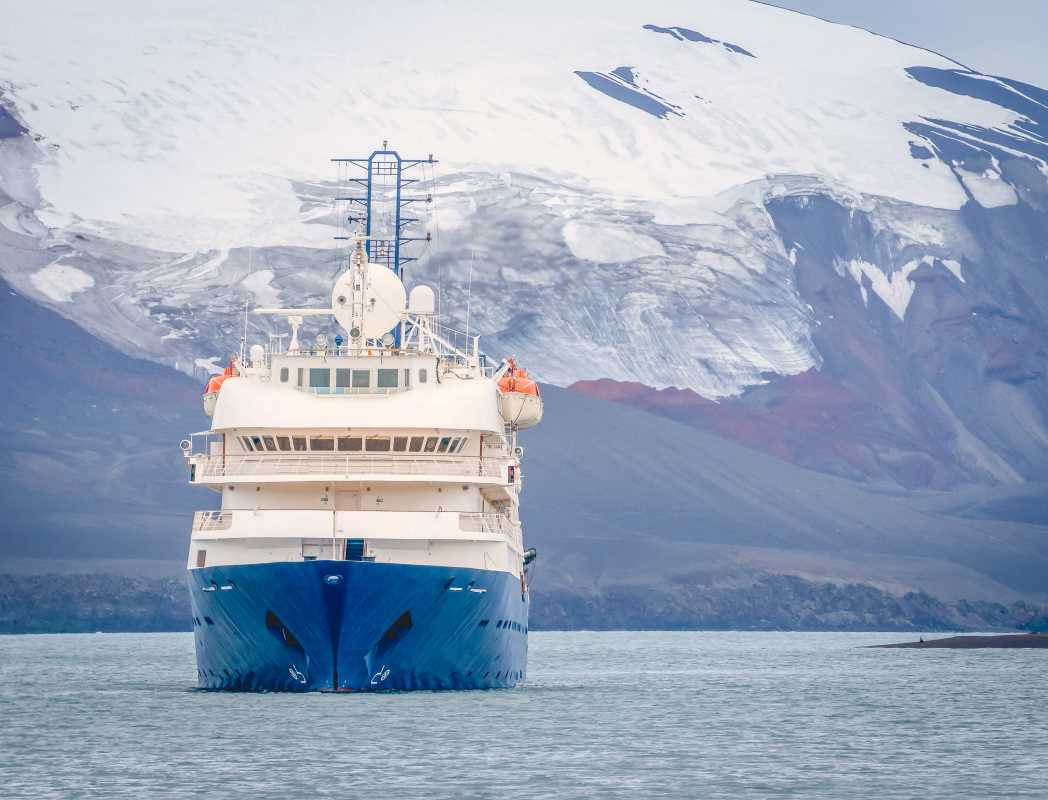
Unlike standard cruise ships, vessels in this region are specifically built for the challenging conditions of high latitudes. They tend to be smaller and feature specialized equipment for icy waters. As you decide, think about the size of the vessel and the range of features offered on board.
- Small Ships (Under 200 Passengers): These vessels offer a more intimate experience. They can access smaller fjords and harbors that larger ships cannot, and getting on and off for excursions is faster.
- Ice-Strengthened Hulls: Look for ships with a high polar class (PC) rating. This indicates the ship is built to navigate through sea ice, ensuring a safer and more flexible itinerary.
- Onboard Experience: Expedition cruising is about exploration, not entertainment. The focus is on lectures from experts (biologists, historians, geologists), Zodiac excursions, and time spent on deck observing the scenery and wildlife. While some luxury ships offer amenities like spas and fine dining, the true value lies in the expedition team's knowledge and experience.
The Importance of Responsible Travel
This part of the world is extremely delicate and experiencing rapid changes due to climate. As a traveler, it’s important to act thoughtfully and minimize your impact during your visit.
Choose an operator that is a member of organizations like the Association of Arctic Expedition Cruise Operators (AECO), which sets strict guidelines for environmental protection and wildlife encounters. Follow the guidance of your expedition team, such as maintaining a safe distance from wildlife and leaving no trace on shore. Your visit can support local communities, but it's important to do so respectfully.
Booking Your First Arctic Cruise
You’re now just steps away from setting out on this remarkable experience.
- Book in Advance: Arctic cruises are popular and fill up quickly. It is best to book at least a year in advance to secure your spot and get the best choice of cabins and itineraries.
- Work with a Specialist: Consider using a travel agent who specializes in polar expeditions. They have in-depth knowledge and can help you compare operators and find the perfect trip for your interests and budget.
- Get Ready for Adventure: An Arctic cruise is an expedition, not a resort vacation. Be prepared for changes to the itinerary due to weather or ice conditions. This unpredictability is part of what makes the journey so exciting. Embrace the spirit of exploration, and you will be rewarded with an experience that will stay with you for a lifetime.