 (Image via
Embarking on an Arctic journey that includes both Greenland and Iceland promises a sweeping view of some of the planet’s most dramatic and memorable terrain. Picture yourself exploring Iceland’s volcanic landscapes and vibrant valleys, then making your way to Greenland for a close-up look at towering icebergs and vast glaciers. Experiencing these destinations together allows for a deep dive into the wild beauty and contrasts of the North Atlantic. This guide will help you map out your adventure, offering essential information on travel logistics, connection options by air and sea, and helpful insights to streamline your plans. Prepare to discover a striking blend of geothermal wonders and frozen wilderness.
Why Combine Iceland and Greenland?
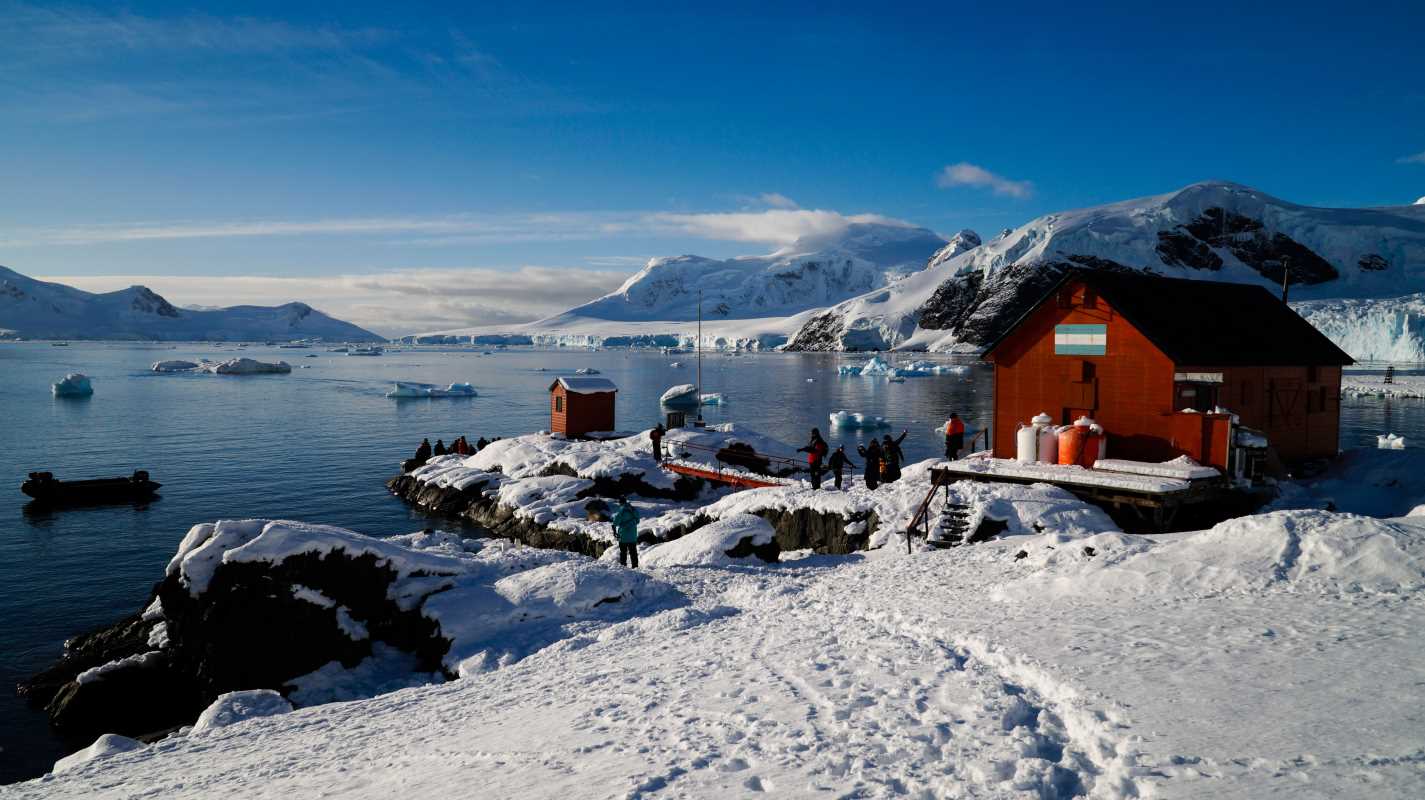
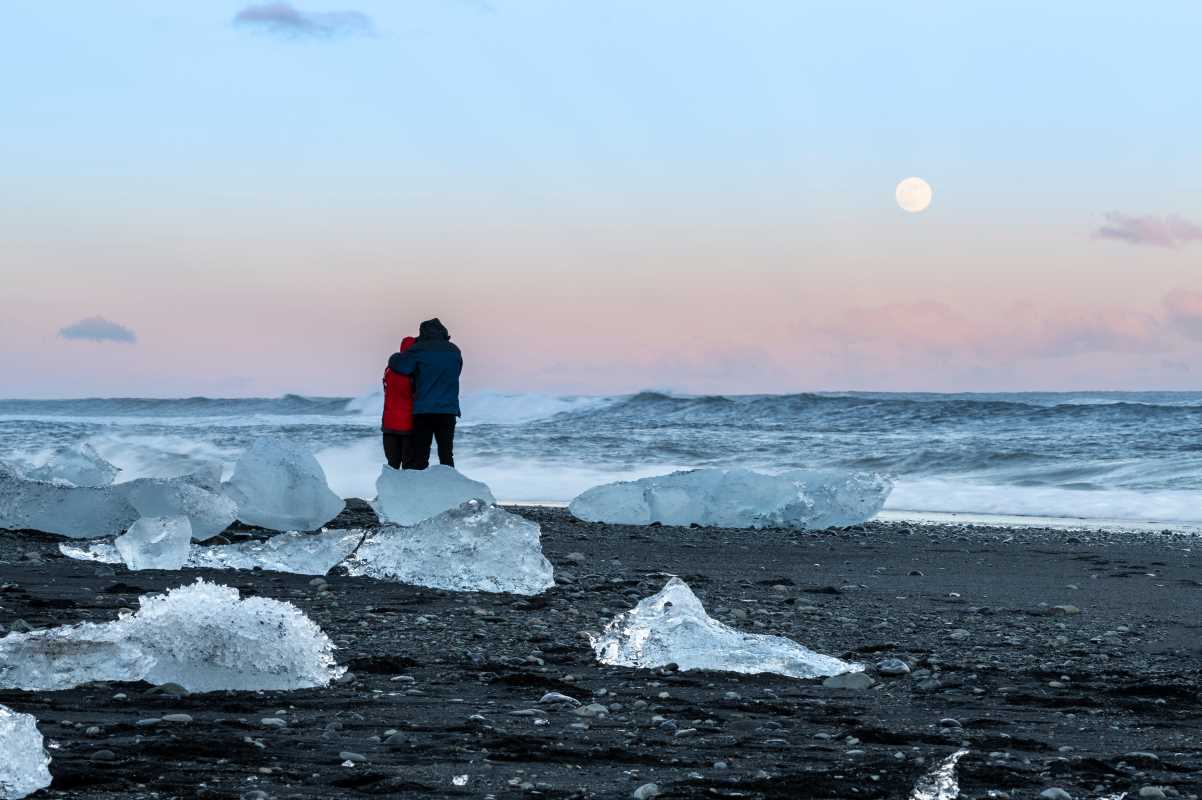
Though located close together, Iceland and Greenland offer completely contrasting adventures. Iceland is famed for its geothermal activity, bubbling pools, and impressive waterfalls, all set in a landscape shaped by volcanic forces. On the other hand, Greenland is dominated by a vast ice sheet, covering much of the land and creating spectacular icy fjords and enormous glaciers that define its wild, untouched beauty.
Visiting both countries on one itinerary reveals two different sides of the Arctic within the same journey. Iceland provides a welcoming entry point, thanks to easy travel and excellent infrastructure, while Greenland offers a wilder landscape best suited for those craving authentic adventure. Experiencing them together creates a blend of comfort and off-the-beaten-path exploration.
Flying Between Iceland and Greenland
The easiest and fastest way to make the journey between these northern destinations is by air. Iceland is the main link point for reaching Greenland, serving as a central connection for travelers visiting both places in one trip.
Key Airports and Airlines
You’ll most likely board a flight in Iceland and arrive at one of several key airports in Greenland.
- Iceland's Airports:
- Keflavík International Airport (KEF): Iceland's main international hub, located about 45 minutes from Reykjavík. Most international arrivals and some flights to Greenland depart from here.
- Reykjavík Airport (RKV): A smaller airport located directly in the capital city. It primarily handles domestic flights and is the main departure point for flights to Greenland.
- Greenland's Airports: Greenland has several airports, but a few are key for international connections from Iceland.
- Nuuk (GOH): The capital of Greenland.
- Ilulissat (JAV): Famous for its stunning Icefjord, a UNESCO World Heritage site.
- Kulusuk (KUS): An important gateway to East Greenland.
- Narsarsuaq (UAK): A key hub for exploring South Greenland.
- Airlines:
- Icelandair: Iceland’s flag carrier, offering flights from both Keflavík (KEF) and Reykjavík (RKV) to various destinations in Greenland. They are a popular choice for round-trip tickets.
- Air Greenland: The national airline of Greenland, also operating routes between the two countries.
Flight Durations and Routes
Traveling by plane between these northern islands takes surprisingly little time, making it simple to experience both destinations in one journey.
- Reykjavík (RKV) to Nuuk (GOH): A direct flight takes approximately 3 hours.
- Reykjavík (RKV) to Ilulissat (JAV): Expect a flight duration of about 3 to 4 hours.
- Reykjavík (RKV) to Kulusuk (KUS): This is the shortest route, taking around 2 hours.
Opting for a round-trip flight between the two countries is usually the best value. This approach lets you spend several days or even a week, immersed in Greenland’s scenery and culture, then return to Iceland to continue exploring or catch your connecting flight home.
Exploring by Sea: Expedition Cruises
For a deeper and more adventurous experience, think about choosing an expedition cruise that links these remarkable places. Traveling by sea opens up access to hidden coastlines and secluded fjords that are impossible to reach any other way. Let the voyage become a memorable part of your adventure, with each day bringing new sights and discoveries.
What to Expect on a Cruise
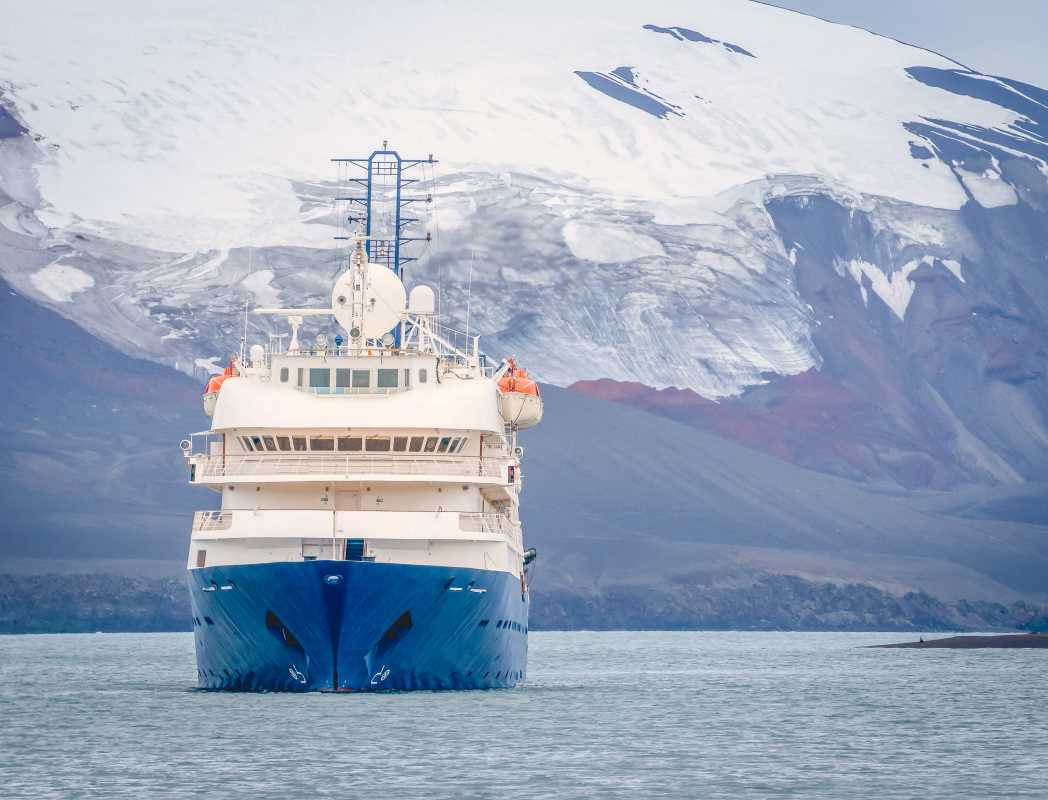
A voyage linking these two northern destinations promises plenty of excitement. You'll travel on small expedition ships fitted with Zodiacs, which allow close-up shore visits and the chance to explore icy bays. During the cruise, onboard specialists (such as geologists, wildlife experts, and historians) offer talks and lead excursions, giving deeper insight into the landscapes, wildlife, and culture you encounter along the way.
Most cruises covering both destinations last from 10 to 15 days. The typical route begins in Reykjavík, crosses the Denmark Strait to reach the eastern shores of Greenland, then ventures along the western coastline before heading back to Iceland.
Highlights of a Combined Cruise
- Witness Diverse Landscapes: Sail from Iceland's volcanic shores to Greenland’s massive glaciers.
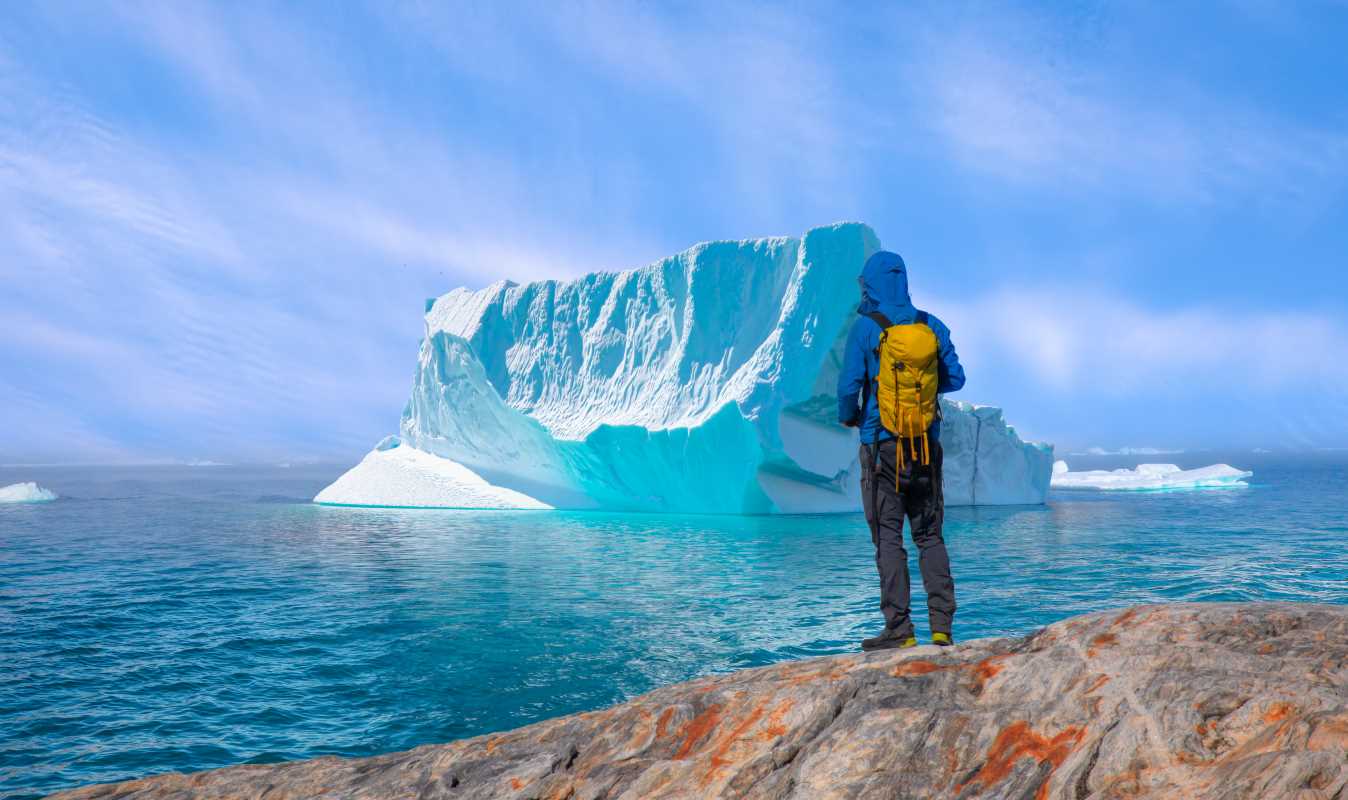
- Get Close to Icebergs: Cruise through Disko Bay and the Ilulissat Icefjord, navigating around gigantic icebergs.
- Visit Remote Communities: Many cruises include stops at small Inuit settlements, offering a unique cultural exchange.
- Enjoy the Midnight Sun: Travel during the summer months to experience 24-hour daylight above the Arctic Circle.
Opting for a cruise is a convenient way to explore both destinations, offering a seamless travel experience without the need to coordinate multiple flights or hotels. Simply settle into your cabin and let the ship introduce you to an amazing array of northern sights.
Crafting Your Combined Itinerary
Designing an itinerary that brings together both Iceland and Greenland takes thoughtful coordination. Consider these example routes to help jump-start your plans and spark ideas for a memorable Arctic journey.
The Independent Air Traveler Route
For travelers who enjoy creating their own schedules, this approach offers the greatest freedom.
- Arrive in Iceland: Fly into Keflavík International Airport (KEF). Spend several days exploring Iceland's famous Golden Circle, the South Coast, or the vibrant city of Reykjavík.
- Fly to Greenland: Take a flight from Reykjavík Airport (RKV) to your chosen destination in Greenland, such as Ilulissat or Nuuk.
- Explore Greenland: Dedicate a few days to hiking, kayaking among icebergs, or learning about Inuit culture.
- Return to Iceland: Fly back to Reykjavík. You can choose to spend more time in Iceland or connect directly to your international flight home from KEF.
The Guided Tour Approach
Travelers who like scheduled plans and local expertise may want to select a guided trip with all the details organized for them. Many reputable companies provide tours that cover transportation, stays, and escorted excursions in both countries. One popular six-day program often includes:
- Two days in Iceland exploring geothermal landscapes.
- A flight to Ilulissat, Greenland.
- Three days in Greenland, including cruises through the Icefjord and visits to local communities.
- A flight back to Reykjavík to conclude the tour.
The All-in-One Expedition Cruise
This option is the easiest way to experience both countries without the hassle of detailed logistics.
- Begin in Reykjavík: Join your expedition ship in Reykjavík.
- Sail to Greenland: Cross the Denmark Strait, keeping an eye out for whales.
- Explore Greenland's Coasts: Spend several days exploring the fjords, glaciers, and communities of East and West Greenland.
- Return to Iceland: The cruise concludes back in Reykjavík, leaving you with memories of an incredible polar voyage.
Practical Tips for Your Trip
Here are a few important pointers to help you prepare for a smooth trip that covers both islands.
- Book in Advance: Flights and cruises, especially during the peak summer season, fill up quickly. It's best to book 6 to 12 months ahead to secure your spot and get better prices.
- Be Flexible: Arctic weather is unpredictable. Flights can be delayed or canceled due to weather, so build some buffer time into your itinerary.
- Pack Accordingly: You will need layers of warm and waterproof clothing for both destinations, even in the summer. Sturdy hiking boots are essential.
- Consider the Cost: Greenland is a significantly more expensive destination than Iceland. Be sure to budget for higher costs for food, accommodation, and tours.
Visiting both Iceland and Greenland in a single journey lets you explore the remarkable range of northern landscapes and cultures. Traveling by plane or joining an expedition at sea will offer you a true sense of adventure, with captivating views and unique encounters at every turn. Prepare your itinerary and get excited to experience two of the world’s most extraordinary destinations.