 (Image via
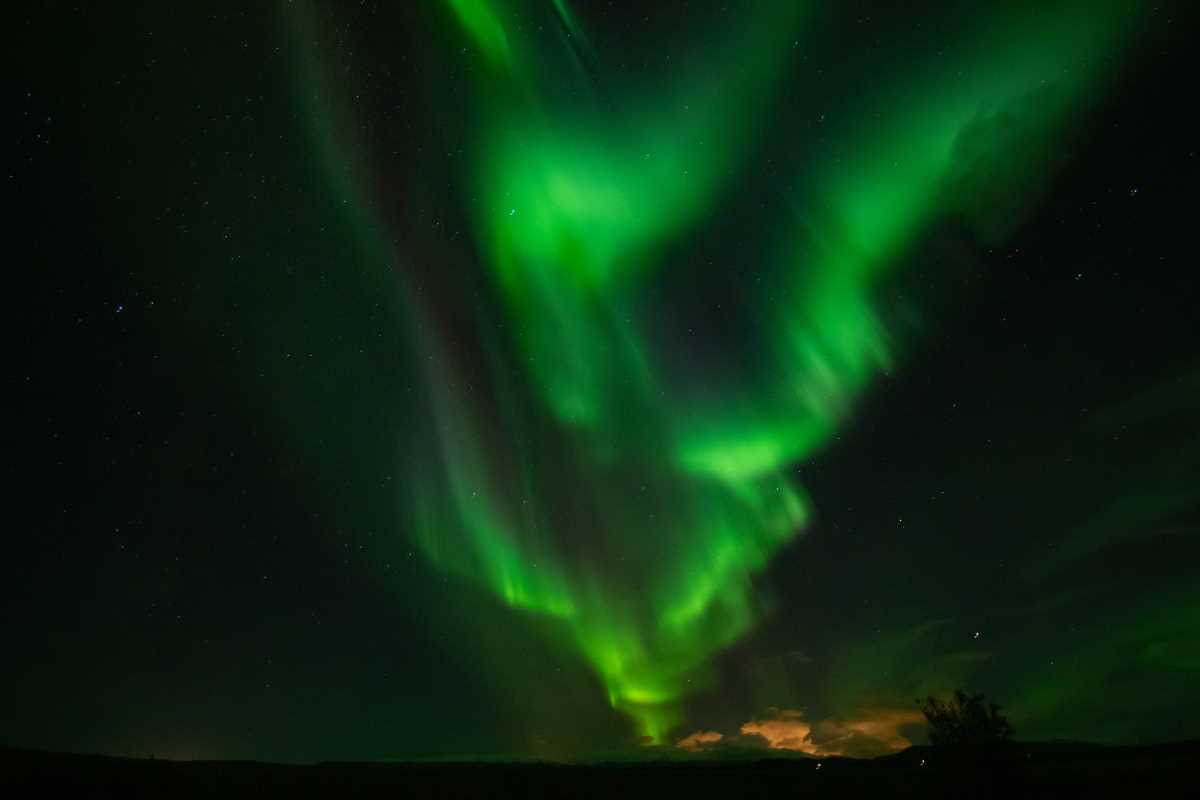
Watching the Aurora Borealis is often seen as a special adventure for those with deep pockets. Many people think it requires hefty spending on tours, remote accommodations, and glass igloos to witness this spectacular light show. That’s far from the truth. With thoughtful planning and budget-friendly decisions, you can pursue the northern lights without overspending. This guide shares insights on making your dream sky-gazing trip possible for less, focusing on affordable places to visit, tips for booking inexpensive flights, and skipping costly guided outings. You'll discover ways to save on lodging, local travel, and essential clothing, all while putting value first. Prepare to make your dream of seeing the lights a reality without sacrificing your savings.
Choosing the Right Destination
The first step in planning an affordable aurora adventure is picking a location that balances how easy it is to reach with strong chances of seeing the lights. Some spots tend to be pricier because they’re remote or have higher living expenses, while others are set up with plenty of budget-friendly options. Choose somewhere with good transportation links and a variety of lodging, so you don’t have to sacrifice comfort or accessibility for cost.
Fairbanks, Alaska
For travelers from North America, Fairbanks stands out as a wallet-friendly option. Flying within the United States is usually more affordable than heading overseas. Fairbanks sits right beneath the “Auroral Oval,” which means you get strong chances for sky shows. The city features a wide mix of inexpensive lodging, hostels, and familiar restaurants, making it easy to manage your daily expenses. Staying in town also means you aren’t stuck with the high costs of far-off resorts or exclusive meal plans.
Tromsø, Norway
Despite Norway’s reputation for pricey stays, Tromsø can fit a modest budget with a bit of planning. As a sizable city with lots of tourism, it offers many choices for places to stay, from hostels to Airbnbs. Regular flights from big European airports keep travel convenient and prices manageable. To save even more, focus on cooking your own meals and skip pricey nights out, since restaurants and alcohol in town come with steep price tags.
Rovaniemi, Finland
Rovaniemi is a convenient hub with lodging for different budgets. You'll find an array of hostels and cozy holiday villages, many offering cabins with basic kitchens. Staying a bit beyond the downtown area can cut costs, as long as you have a reliable way to get around. The city is designed for visitors, making it easy to explore and get assistance without paying for high-priced guided tours.
Timing Your Trip for Savings
The timing of your trip has a big impact on the overall cost. Traveling during the height of winter, especially from December through February, can mean paying peak prices for both lodging and flights.
The Shoulder Season Advantage
Consider planning your trip during the “shoulder seasons," from September to October or March to early April.
- September/October: The weather is milder, meaning you don't need as much extreme cold-weather gear. The lakes are often unfrozen, providing beautiful reflections for photography.
- March/April: The days are longer, giving you more sunlight for daytime activities, but the nights are still dark enough for auroras.
- Cost Benefits: Flights and accommodations are often significantly cheaper during these months compared to the Christmas and New Year holidays.
Flight Tracking
Being flexible with your travel dates can make a big difference. Check airfare search sites like Google Flights or Skyscanner, and monitor prices for multiple days across a month. Setting up fare alerts well ahead of time helps you spot discounts as soon as they appear. Traveling mid-week, such as on Tuesdays or Wednesdays, tends to be more affordable than weekend departures.
The Art of the Self-Guided Hunt
One of the largest costs for aurora chasers is booking nightly group excursions. These experiences can quickly add up, often charging hefty fees per person for each outing. While organized tours offer helpful guidance, you can often catch the spectacle on your own for a fraction of the price.
Renting a Car vs. Tours
In many places, getting a dependable rental car often costs less than signing up for several guided outings, especially when you’re splitting expenses with friends. Having your own car means you decide where and when to search the night sky. You have the option to drive away from the glow of towns, find a safe pull-off spot, and simply wait for the show to begin.
- Safety First: Winter driving in the Arctic requires caution. Ensure your rental car has studded winter tires. Drive slowly and stick to main roads that are plowed regularly.
- Navigation: Download offline maps (like Google Maps or Maps.me) so you can navigate without using expensive data roaming.
Becoming Your Own Guide
Professional guides use weather predictions and solar activity resources, which are also freely available to you.
- Weather Apps: Use local weather apps (like Yr.no for Scandinavia) to find areas with clear skies. Cloud cover is the enemy of aurora viewing; if it is cloudy where you are, drive to where it isn't.
- Aurora Apps: Download apps like "My Aurora Forecast" or "Aurora Reach." These provide real-time data on the Kp index (geomagnetic activity) and viewing probability for your location.
- Local Advice: Ask hotel receptionists or locals where good viewing spots are. They often know dark, accessible places nearby.
Budget Accommodation Strategies
Where you rest each night will take up a significant portion of your expenses. If you're aiming to keep costs down, skip trending options like glass igloos or premium remote hotels and focus on simple, practical lodging instead.
Hostels and Guesthouses
Hostels aren’t just a choice for those with backpacks. Throughout Alaska and the Nordic region, they’re clean, secure, and comfortable places to stay. Many provide private room options that cost much less than standard hotels. The shared spaces also give you the chance to meet fellow travelers, making it easier to split transportation expenses or share rides and tips along the way.
Self-Catering is Essential
Choose a place to stay that includes kitchen facilities whenever possible. Dining out in northern regions can get pricey; in Iceland or Norway, even a basic meal like a burger and fries may set you back $25-$30. By picking up groceries at local stores and making your own breakfasts, lunches, and simple dinners, you’ll trim costs significantly, potentially saving a few hundred dollars over the course of your stay.
Stay Outside the Center
If you’re driving, consider lodging 15–30 minutes away from the main town center. Prices usually drop as you get further from popular tourist zones. Being a little outside the city gives you a good chance of catching the aurora right from where you sleep, which saves time and extra travel costs.
Gear: Rent or Layer Up
You’ll need to dress warmly, but there’s no need to invest in a pricey $800 expedition jacket just for this trip.
The Layering System
Work with what you have; layering is the secret to staying warm. Rather than wearing one heavy coat, try combining thermal underwear (wool or synthetic), fleece or warm sweaters, and a sturdy windproof and waterproof outer layer, such as a rain jacket or ski shell. This approach lets you adapt to shifting conditions and means you can rely on regular winter apparel you already own.
Renting Gear
If you find yourself short on truly warm apparel, look into renting what you need once you arrive. Many outfitters and shops in towns like Fairbanks or Rovaniemi offer insulated boots, parkas, and mittens for rent at daily rates. This option is much more cost-effective than purchasing specialty gear that may not be used again.
Second-Hand Options
Browse local thrift shops or use online platforms before your trip to pick up winter essentials. It's often possible to score quality wool sweaters or well-insulated boots for much less than buying new, helping you save money for adventures.
Free and Low-Cost Activities
You won’t be scanning the night skies all day, so make the most of daylight hours with wallet-friendly experiences.
- Hiking and Snowshoeing: Nature is free. Rent a pair of snowshoes or just go for a winter hike on marked trails. The scenery is spectacular and costs nothing.
- Museums and Culture: Many local museums have low entry fees and offer great insight into the region's history and indigenous culture.
- Photography: Spend time photographing the winter landscape. The "Golden Hour" in the Arctic lasts a long time in winter, providing beautiful light for photos.
- Public Saunas: In Finland, visit a public sauna. It’s a quintessential cultural experience that is usually very affordable compared to hotel spas.
Catching a glimpse of the aurora doesn’t have to strain your wallet. By staying flexible and taking a self-guided approach, you can enjoy this incredible phenomenon without overspending. Focus on destinations with easy access, such as Fairbanks or Tromsø, travel when prices are lower, and choose lodging where you can prepare your own meals. Renting a car empowers you to search for the best viewing spots and make use of free resources that help you follow aurora activity. With solid preparation and a sense of adventure, experiencing this natural wonder can be within reach for all. Begin planning your wallet-friendly trip now and prepare for some truly unforgettable nights.