Experience the breathtaking contrasts of Iceland, a land where shimmering glaciers meet vast volcanic plains and powerful streams carve through ancient landscapes. In just one week, you’ll have the chance to witness some of Earth’s most awe-inspiring natural wonders. This guide is designed to help you maximize your seven days, from exploring the vibrant energy of Reykjavik’s city life to soaking in the untamed beauty of the southern coast. A week offers the perfect balance; there's enough time to see iconic landmarks without feeling rushed. Prepare to admire majestic waterfalls, stroll along black-sand beaches, hike across glaciers, and marvel at icy caves. Let’s dive in and plan your unforgettable adventure through this otherworldly destination!
When Is the Best Time to Visit?
Each Icelandic season brings its own special charm and opportunities. What you experience during your week depends a lot on when you travel.
- Summer (June to August): These months are the busiest, thanks to almost endless daylight from the Midnight Sun. You’ll have plenty of time to be out exploring, the days are warmer, and the scenery is lush and colorful. Most routes, including those into the Highlands, are easily accessible, though sites can be crowded and prices are higher.
- Winter (October to March): Colder months bring an entirely different landscape. Snow blankets the country and the ethereal Northern Lights often dance in the sky. This is also the best window for ice cave tours. Days are short and driving can be tricky, but you’ll have more peace and often lower costs.
- Shoulder Seasons (April-May & September-October): Spring and autumn offer a pleasant mix: decent daylight, fewer visitors, and friendlier prices. Early fall opens the door for aurora spotting. Weather can change quickly, so make sure to check the forecast and plan accordingly.
- Summer (June to August): This is the most popular time to visit. You’ll experience the Midnight Sun, which provides nearly 24 hours of daylight, giving you maximum time for exploring. The weather is milder, and the landscapes are lush and green. All roads, including those into the Highlands, are typically open. Expect more crowds and higher prices.
- Winter (October to March): Winter transforms Iceland into a snowy wonderland. The main attraction is the chance to witness the spectacular Northern Lights. This is also the only time you can explore the famous blue ice caves. Daylight hours are very short, and driving can be challenging, but you’ll be rewarded with fewer tourists and lower prices.
- Shoulder Seasons (April-May & September-October): These months offer a great balance. You'll find fewer crowds, more reasonable prices, and a good amount of daylight. In autumn, you might even catch the Northern Lights. The weather is unpredictable, so be prepared for anything.
Getting Around Iceland
To fully enjoy your week, having the freedom to travel as you wish is invaluable. Renting a car gives you the ability to set your own pace, adjust your schedule spontaneously, and take in the stunning scenery far from busy areas.
- Self-Driving: Renting a car or campervan gives you complete flexibility. You can create your own itinerary, stop wherever you want, and take as many detours as you like. For a summer trip focused on the South Coast and Golden Circle, a standard car is sufficient. For winter travel or exploring more rugged areas, a 4x4 is recommended for safety.
- Organized Tours: If you prefer not to drive, you can use Reykjavik as a base and book a combination of day trips and multi-day tours. Several companies offer guided excursions to all the major attractions, so you can see the highlights without worrying about logistics.
Your Perfect 7-Day Iceland Itinerary
This itinerary highlights some of the most beloved locations and scenic routes, balancing iconic sites with time to relax on your journey. By focusing on remarkable experiences along the Golden Circle and southern coast, you’ll see breathtaking sights without feeling rushed or overwhelmed by long drives.
Day 1: Reykjavik and the Blue Lagoon
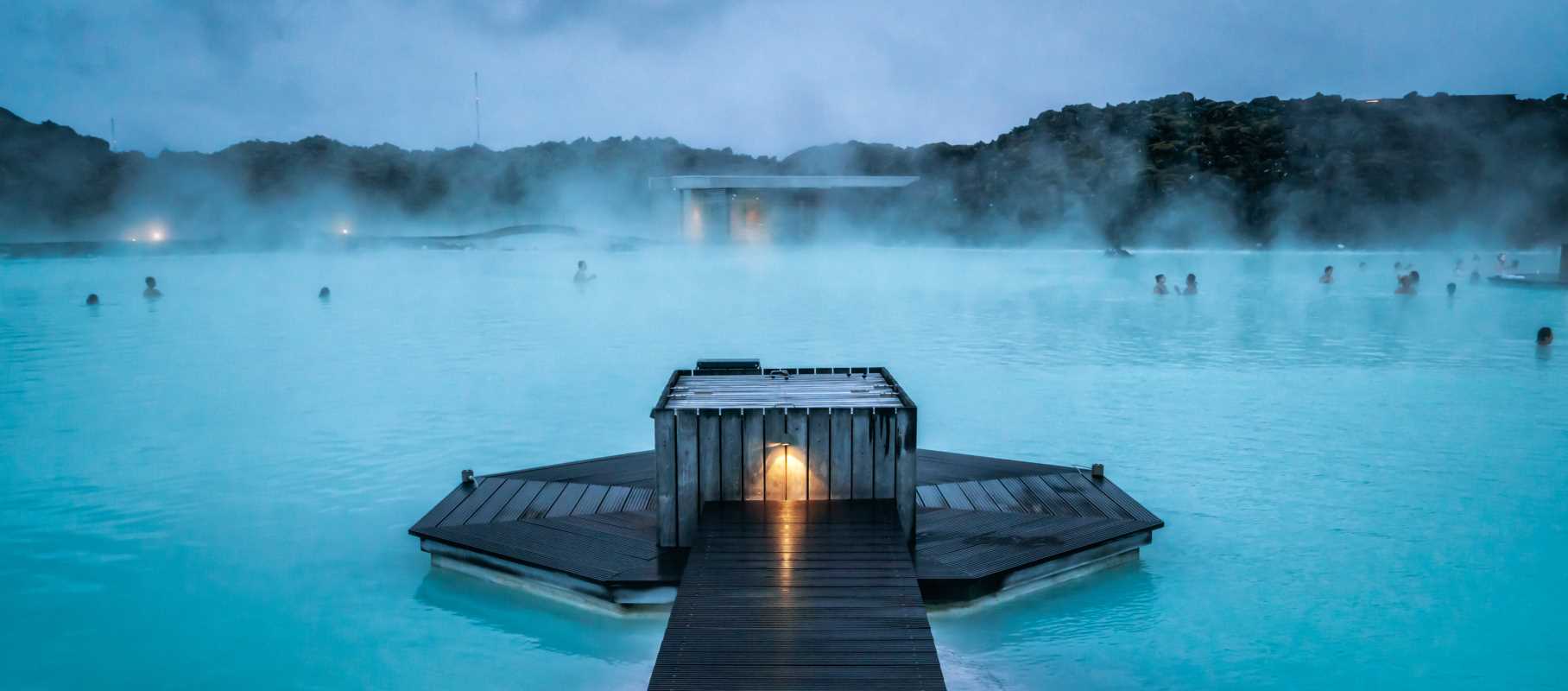
Most flights from abroad land at Keflavik Airport (KEF), just southwest of the capital. A relaxing way to start your journey is with a visit to the renowned Blue Lagoon, conveniently situated near the airport. Unwinding in the soothing, mineral-rich waters is an ideal introduction after your travels. Once you’ve had your fill of geothermal relaxation, head into lively Reykjavik to begin exploring.
- Explore Reykjavik: Walk down Laugavegur, the main shopping street, visit the iconic Hallgrímskirkja church for panoramic city views, and see the beautiful Harpa Concert Hall by the harbor.
Day 2: The Golden Circle
This famous driving route covers about 300 kilometers and includes three of the country’s most celebrated natural landmarks. All can easily be experienced in a single day.
- Þingvellir National Park: A UNESCO World Heritage site, this is where you can walk between the North American and Eurasian tectonic plates. It's also the historic site of Iceland’s first parliament.
- Geysir Geothermal Area: Witness the raw power of the Earth as the Strokkur geyser erupts every 5-10 minutes, shooting boiling water high into the air.
- Gullfoss Waterfall: Known as the "Golden Falls," this massive, two-tiered waterfall is a truly breathtaking sight. The thundering water creates a constant mist, often resulting in beautiful rainbows on sunny days.
Day 3: Chasing South Coast Waterfalls
Waterfalls take center stage today! Along this stretch of the south, you’ll encounter some of the country’s most striking and photogenic cascades.
- Seljalandsfoss: This is one of Iceland’s most famous waterfalls because you can walk completely behind its rushing curtain of water. Be prepared to get a little wet!
- Skógafoss: This classic, powerful waterfall is immense. You can walk right up to its base to feel its force. For a different perspective, climb the stairs to the top for a panoramic view of the coastline.
Day 4: Black Sand Beaches and the Village of Vík
Soak up panoramic views as you journey along coastline shaped by ancient eruptions and accented by striking geological formations.
- Reynisfjara Black Sand Beach: This is arguably the most famous black sand beach in the world. It features incredible basalt columns and powerful waves. Be extremely cautious of the "sneaker waves" here; they are unpredictable and can be dangerous.
- Vík: This charming village is the perfect spot to refuel. Visit the red-roofed church on the hill for a classic photo with the Reynisdrangar sea stacks in the background.
Day 5: Glaciers and Diamonds
Today is dedicated to the awe-inspiring scale of Vatnajökull, the largest glacier in Europe, and some of the most captivating sights the country has to offer.
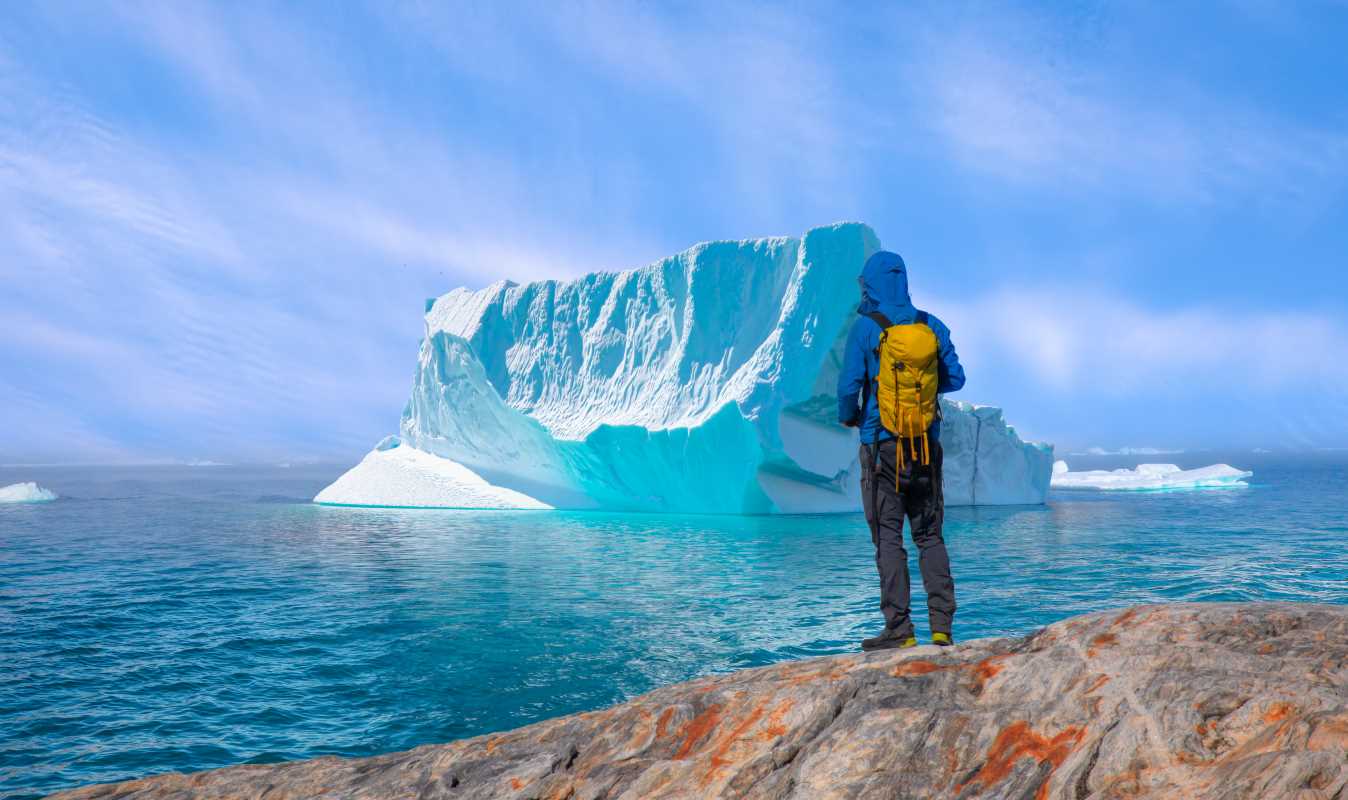
- Jökulsárlón Glacier Lagoon: Huge icebergs break off from the Vatnajökull glacier and float serenely in this deep lagoon, creating a mesmerizing scene. You can often see seals playing among the ice.
- Diamond Beach: Just across the road, icebergs from the lagoon wash up on the black sand beach, sparkling like diamonds in the sun. The contrast between the crystal-clear ice and the dark volcanic sand is breathtaking.
Day 6: Canyons and the Return Journey
Begin your drive back in the direction of Reykjavik, but before returning to the city, take time for a few more rarely forgotten natural highlights.
- Fjaðrárgljúfur Canyon: This magnificent canyon was carved by a river over thousands of years. A walking path along the rim offers stunning viewpoints of its steep, mossy walls.
- Sólheimasandur Plane Wreck (Optional): The wreckage of a 1973 US Navy plane rests on the black sand beach. The 45-minute walk to the site is long, but the sight of the decaying plane against the stark landscape is hauntingly beautiful.
Day 7: Last-Minute Exploration and Departure
Use your last day to soak in more of Reykjavik’s vibrant culture or unwind before your departure. If the Blue Lagoon wasn’t on your arrival agenda, you can opt for a soothing soak now, since it’s conveniently close to the airport. Alternatively, wander through some of the city’s engaging museums, cozy up in local cafés, or browse unique shops before returning your car and heading off to your flight home.
Essential Packing and Travel Tips
When packing for a trip here, dressing in layers is essential throughout the year.
- Clothing: Bring a thermal base layer, a fleece mid-layer, and a waterproof and windproof outer layer. Warm wool socks and waterproof hiking boots are essential. Don't forget a hat, gloves, and a swimsuit for hot springs.
- Be Flexible: Iceland's weather is famously unpredictable. Road closures can happen, especially in winter. Always check road conditions on road.is before setting out and be prepared to change your plans.
- Save Money: Iceland can be expensive. Cook your own meals to save on food costs, and bring a reusable water bottle because the tap water is pure and delicious.
A truly memorable adventure in this extraordinary northern destination is just ahead. With these tips and ideas, you’re set to make the most of your journey. Enjoy every sunrise, every expedition, and every new discovery along the way!