 (Image via
Setting your sights on the Arctic’s wild beauty may feel daunting, but reaching the island group of Svalbard is easier than you might think. Tucked between mainland Norway and the North Pole, this remote yet breathtaking destination is a land of sweeping glaciers, frozen landscapes, and incredible wildlife, including polar bears and Arctic foxes. While it may seem distant on the map, modern travelers can easily access Svalbard thanks to scheduled commercial flights from major hubs. Understanding air routes, flight options, and entry requirements is the first step toward this extraordinary northern adventure. This guide provides all the essential details to help you plan, book connections, and begin exploring one of the world's most remarkable polar regions.
Your Gateway to the High Arctic
Svalbard Airport, Longyear (LYR), serves as the vital entryway to this northern archipelago, set just outside Longyearbyen (the main community). Renowned as the world’s northernmost airport offering regular public flights, it acts as a lifeline connecting the region with the rest of Norway. Year-round access for visitors and locals alike relies on consistent air service, underscoring just how essential this route is. Oslo and Tromsø, Norway’s two principal air travel centers, play a key role in facilitating this connection, making travel into the high Arctic remarkably straightforward for modern explorers.
Traveling to Svalbard is a unique experience. All flights originate from Norway, making the country the essential starting point for your journey. The two key cities that serve as hubs for flights to Longyearbyen are Oslo and Tromsø. Your travel plans will almost certainly involve a stop in one or both of these Norwegian cities before you head further north into the Arctic.
Primary Flight Routes and Airlines
Flights to Svalbard are operated exclusively by Scandinavian Airlines (SAS) and Norwegian Air Shuttle. These two carriers maintain a regular schedule, but the number of departures depends on the time of year. During busier seasons, travelers will find more frequent options, while in the off-peak months, flights may be less numerous and require advance planning.
Flying from Oslo (OSL)
Oslo Airport, Gardermoen (OSL) is the main point of international arrival for many travelers and serves as the launchpad for journeys northward. Travelers can take advantage of nonstop service from Oslo to Longyearbyen, operated by both SAS and Norwegian, making it the primary starting location for reaching the Arctic archipelago.
- Direct Flights: A direct flight from Oslo to Longyearbyen takes approximately three hours. This is the quickest and most efficient way to reach the archipelago from the Norwegian capital.
- Flight Frequency: During the peak tourist season, which spans from March to August, both airlines increase their flight schedules, often offering daily departures. In the quieter winter months, the number of weekly flights is reduced, so booking in advance is highly recommended.
Connecting Through Tromsø (TOS)
Tromsø Airport, Langnes (TOS), situated in northern Norway, is another important transit hub on the route to Svalbard. This option stands out for those who want to experience more of Norway’s Arctic charm, either before continuing north or on the return trip. Stopping here lets you discover the vibrant culture and scenic surroundings of Tromsø, adding another dimension to your overall voyage.
- Flight Duration: The flight from Tromsø to Longyearbyen is much shorter, taking about 90 minutes.
- Route Options: Many flights operated by SAS make a stop in Tromsø on their way to or from Oslo. This means you might book a flight from Oslo that includes a brief layover in Tromsø. Sometimes, it's possible to book separate tickets and plan a longer stopover to experience what the "Paris of the North" has to offer.
International travelers will need to fly into Oslo or another major European airport and then connect to a flight bound for Svalbard. Major hubs like London, Amsterdam, Paris, and Frankfurt offer numerous flights to Oslo, making it easy to create a convenient itinerary with a single stopover.
Understanding Svalbard's Unique Travel Regulations
A unique quirk of planning a visit to Svalbard stems from its distinct legal and geographic status. Although governed by Norway, Svalbard is treated separately from the Schengen Area, the European agreement allowing border-free movement. This means that, even for Norwegian residents, special border controls apply. All visitors must be aware that entering Svalbard involves additional identity checks and customs processes, which may affect travel logistics and required documents for everyone, regardless of nationality.
Passport and ID Requirements
Anyone heading to Svalbard is required to show proof of identity before travel. Travelers should bring a valid passport, though citizens of the EU or EEA can also use a national ID card in place of a passport. This identification rule applies to everyone, even on domestic journeys within Norway. Border checks are carried out at Oslo or Tromsø airports prior to boarding a flight to Longyearbyen, so make sure you have your documents ready for inspection as part of your travel preparations.
Visa Considerations
A visa is not required specifically to visit Svalbard, but travelers who are passing through mainland Norway must still follow Norwegian entry rules. Since Norway is part of the Schengen Area, anyone from outside Schengen countries will need the necessary transit or entry permissions for Norway. This applies both on your way to Svalbard and upon your return if you’re coming back to the Norwegian mainland. It’s a good idea to review current guidelines set by the Norwegian Directorate of Immigration (UDI) before you travel, as a double-entry Schengen visa may be needed if your itinerary involves re-entering Norway after your trip to Svalbard.
Booking Your Flights: Tips for a Smart Purchase
Finding the right itinerary is a crucial step in getting your Svalbard plans off the ground. To help you reserve your ideal seats, keep these tips in mind.
- Book in Advance: Airfare to Longyearbyen can fluctuate significantly. To get the best prices, it is essential to book your tickets well in advance, especially for travel during the peak summer season.
- Be Flexible with Dates: If your travel schedule allows, use fare calendars on airline websites to find the cheapest days to fly. Mid-week flights are sometimes less expensive than weekend departures.
- Consider the Seasons: The summer months (June-August) offer the midnight sun and are popular for wildlife cruises. The shoulder seasons in spring (March-May) and autumn (September-October) provide beautiful light and opportunities for snow-based activities. The polar night (November-February) is a magical time to witness the northern lights. Flight prices often reflect this seasonal demand.
- Allow for Layovers: Many flights to Svalbard arrive late at night or depart early in the morning. It is wise to consider an overnight stay in Oslo or Tromsø to avoid stress and potential issues with tight connections.
Arriving in Longyearbyen
After touching down at the airport, reaching your place to stay in Longyearbyen is hassle-free. Just three kilometers separate the terminal from the heart of town, making the transfer both quick and straightforward.
An airport shuttle bus meets every arriving flight. The bus will take you directly to all the hotels and guesthouses in town. You can purchase your ticket directly on the bus. Taxis are also available just outside the terminal for a more direct transfer.
Exploring Beyond by Sea
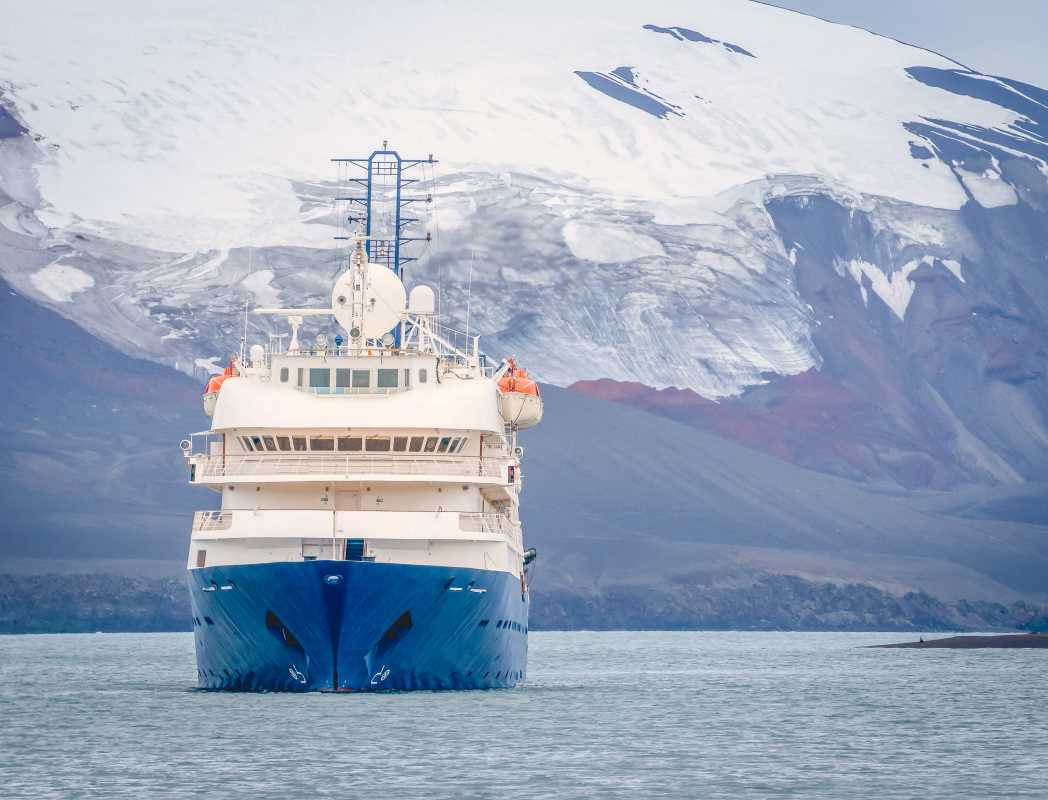
Traveling to Svalbard by ship offers an entirely different experience for those seeking a longer, more immersive approach. Scheduled passenger ferry services do not operate on this remote route, so sailing here is only possible as part of an organized expedition. These journeys set out from harbors in Norway, Iceland, or Scotland and typically last between nine and fourteen days, granting travelers a front-row seat to Arctic seascapes and remote coastal wonders.
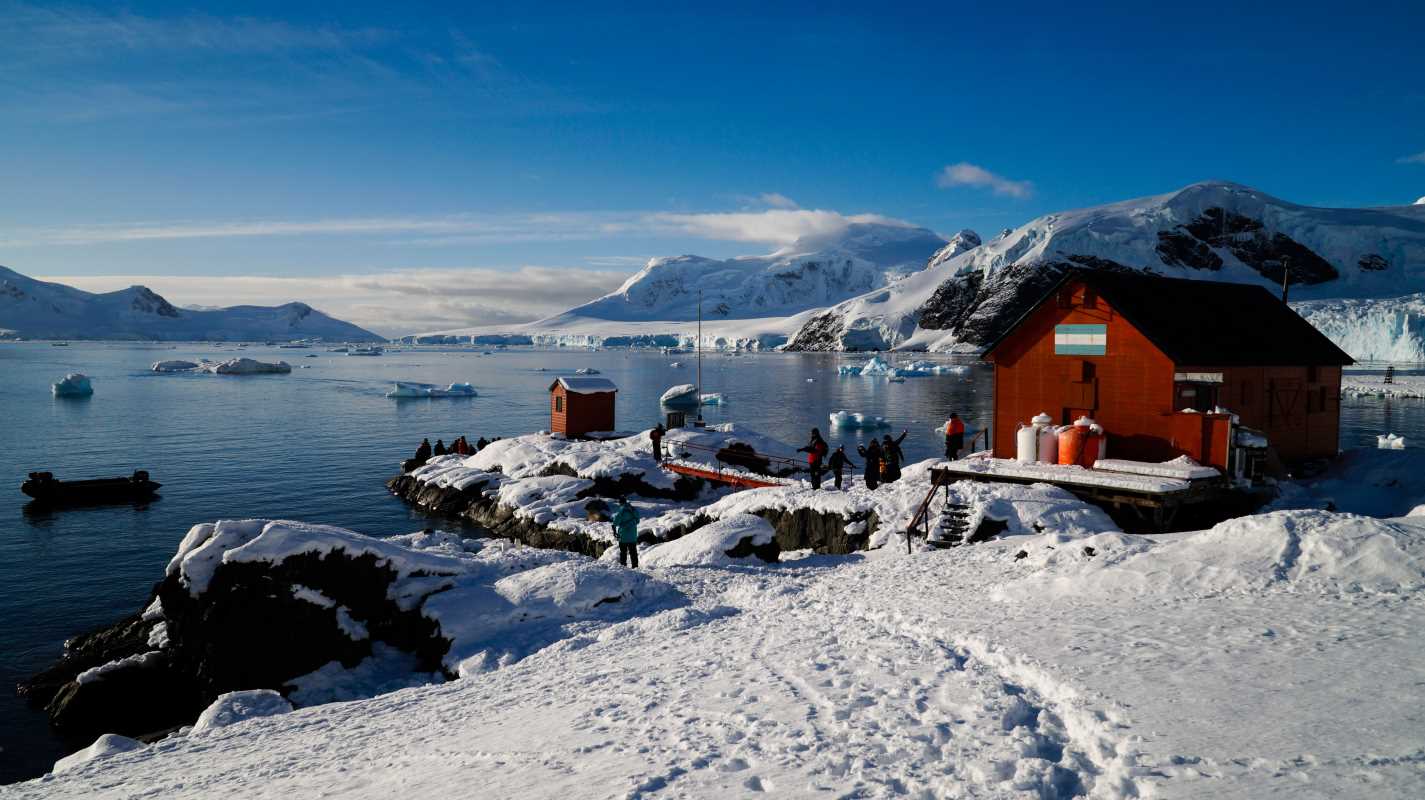
Many expedition cruises also start and end in Longyearbyen, requiring you to fly in to join the ship. These smaller vessels are designed for polar exploration, using Zodiacs to make landings on remote shores and get you closer to glaciers and wildlife. Operators such as HX Hurtigruten Expeditions and Quark Expeditions offer immersive itineraries focused on the archipelago's natural wonders.
The adventure of reaching Svalbard is both exciting and remarkably straightforward. Direct service from Oslo and easy transfers via Tromsø make access to these northern islands achievable for intrepid travelers. By mapping out your itinerary, reserving ticket options ahead of time, and staying aware of travel requirements, you’ll set yourself up for a smooth journey north. Once you arrive, be ready for awe-inspiring vistas including glacial valleys, snowfields, and an abundance of Arctic wildlife. All it takes is one well-planned flight to set off on a voyage filled with wonder and discovery in one of the world’s most extraordinary destinations.